







The Interplay Between Indian Wedding Traditions and Global Gold Supply Dynamics
India’s marriage celebrations, known for their grandeur and cultural significance, have historically exerted substantial influence on gold demand. With the upcoming wedding season in India, experts anticipate a ripple effect on the global gold supply chain, prompting a reevaluation of investment strategies such as physical gold acquisition and gold bullion holdings.
Assessing the Surge in Gold Demand During Indian Nuptials
The wedding season in India typically triggers a surge in gold consumption, often accounting for a significant proportion of annual demand. This phenomenon can create short-term liquidity pressures on gold suppliers and impact prices, especially in the context of gold coins, gold bars, and gold jewelry. Analyzing historical data reveals that during peak wedding months, premiums on physical gold tend to widen, challenging investors and collectors alike.
Supply Chain Constraints: Navigating Mining and Refining Bottlenecks
Concurrently, increased demand strains the gold supply chain, encompassing mining operations, refining capacities, and distribution networks. The recent escalation in gold mining stocks’ performance contrasts with potential bottlenecks in physical supply, underscoring the importance of diversified gold investment approaches, including gold mutual funds and gold ETFs, while cautioning against overexposure to market volatility.
Strategic Investment Considerations for Gold Enthusiasts and Institutions
For portfolio managers and individual investors, understanding seasonal demand fluctuations is crucial. Explicitly, integrating gold IRAs and physical gold holdings can serve as hedges against demand-induced price volatility. Moreover, awareness of how seasonal surges influence spot premiums and premiums on fractional gold can optimize acquisition costs and storage planning.
Could the upcoming wedding season in India set off a sustained increase in physical gold premiums and disrupt global supply chains?
Insights from industry experts, such as those compiled by Buying Gold Now, suggest that seasonal demand spikes can temporarily inflate premiums, but persistent supply chain constraints are often tied to broader macroeconomic factors. Careful analysis of market indicators—including gold mining costs and central bank gold transactions—can help investors anticipate longer-term trends rather than short-lived price movements.
As global economic uncertainties persist, the importance of physical gold as a tangible hedge remains paramount. Maintaining a well-informed, diversified investment strategy—incorporating physical bullion, gold ETFs, and mining stocks—can mitigate seasonal supply shocks and position investors to capitalize on emerging opportunities.
For further expert guidance on securing reputable gold dealerships and optimizing purchase timing, consult industry-specific resources or leverage insights from market analysis tools focused on gold trading patterns and technical analysis.
Engaging with comprehensive market data enhances decision-making, fostering resilience amidst seasonal fluctuations. As the global gold market evolves, staying informed about supply chain dynamics and demand cycles is essential for safeguarding investments and capitalizing on strategic gold acquisition opportunities.
Beyond the Surface: How Seasonal Fluctuations Shape Long-Term Gold Strategies
While India’s wedding season undeniably influences short-term gold premiums, seasoned investors recognize that understanding these cyclical patterns unlocks opportunities for strategic positioning. For instance, knowing that premiums on fractional gold often spike during peak demand periods can inform purchase timing, allowing investors to capitalize on dip opportunities post-season. This cyclical knowledge isn’t merely reactive; it’s a proactive approach that integrates supply chain analytics and macroeconomic indicators, such as the rising costs of mining operations or shifts in central bank gold reserves, to forecast sustained trends. Additionally, diversifying holdings to include physical bullion and exploring reputable gold dealers—like those detailed here—can mitigate the risks posed by these seasonal surges.
Can a Deep Dive into Supply Chain Dynamics Outperform Basic Demand Analysis?
Investors often focus on demand metrics but overlook the intricate logistics that determine physical gold availability. Analyzing refining bottlenecks, transportation constraints, and geopolitical factors reveals how seasonal demand can be amplified or mitigated. For example, disruptions in freight routes or geopolitical tensions in major gold-producing regions can exacerbate supply shortages during peak seasons, further inflating premiums. Consulting industry reports from sources like Buying Gold Now can provide deeper insights into these macro supply factors. By integrating supply chain intelligence with technical analysis of gold charts—see here—investors can craft more resilient, actionable strategies tailored to seasonal and long-term trends.
What innovative techniques are top traders using to forecast and leverage seasonal gold fluctuations before they unfold?
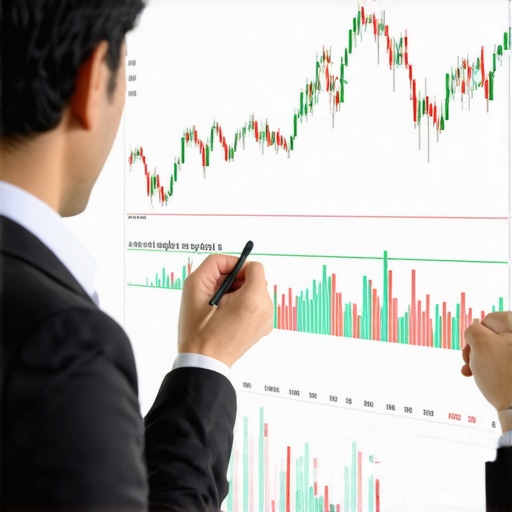
Engaging with advanced data analytics, such as Fibonacci retracement applications on gold futures, or real-time monitoring of central bank gold transactions, enables traders to anticipate periods of price expansion or contraction. Incorporating tools like the 200-day moving average, as discussed here, provides a technical overlay to seasonal patterns, refining entry and exit points. For the motivated investor, subscribing to market alerts and employing predictive models adapted from machine learning algorithms can further enhance timing precision. These techniques underscore that successful navigation of seasonal gold demand isn’t solely about reaction; it’s about precision timing driven by integrated data streams and technical acumen, ultimately leading to smarter, more profitable holdings.
To expand your understanding of sophisticated gold trading frameworks, explore comprehensive guides or connect with community forums dedicated to macroeconomic strategy and technical analysis in precious metals investing.
} }**
}**
Harnessing Seasonal Trends for Long-Term Gold Portfolio Optimization
As seasoned investors understand, capitalizing on seasonal fluctuations demands an intricate balance of macroeconomic insight, technical analysis, and supply chain awareness. Beyond recognizing the immediate demand surges during Indian wedding seasons, sophisticated market participants deploy predictive modeling techniques—such as machine learning algorithms trained on historical demand and price data—to forecast future premiums and supply constraints. This proactive approach enables the strategic accumulation of physical gold during periods of market dip, setting the stage for favorable returns during subsequent demand spikes.
Integrating Geopolitical Factors into Gold Investment Strategies
While demand-driven and supply chain factors predominantly influence gold prices, geopolitical stability—or the lack thereof—plays a decisive role in shaping long-term market trajectories. Political unrest, trade disputes, or policy shifts in leading gold-producing countries like South Africa and Australia can significantly disrupt supply flows, especially during peak demand periods. According to a detailed report by the World Gold Council, such geopolitical disruptions often coincide with increased central bank gold reserves and diversified sovereign holdings, adding further complexity to market forecasts. Integrating geopolitical risk assessments with supply-demand analytics is therefore paramount for constructing resilient portfolios.
How do geopolitical upheavals intensify seasonal supply constraints, and what tools can investors use to anticipate these events?
Event monitoring platforms that utilize real-time news analytics, such as proprietary AI dashboards or services like Bloomberg Terminal, allow investors to track early signals of geopolitical tension affecting major mining regions. Coupled with geopolitical risk indices—like the Global Peace Index—these tools enable dynamic adjustment of allocation strategies, optimizing entry points in physical gold and derivatives. Crafting a layered approach that combines macroeconomic data, geopolitical signals, and technical indicators results in a comprehensive risk management framework suited for volatile seasons.
Advancing Technical Analysis with Novel Indicators for Seasonal Gold Trading
Traditional tools like the moving average and Fibonacci retracement remain valuable, but recent innovations introduce more nuanced indicators tailored to seasonal patterns. For instance, the Gold Relative Strength Index (RSI) customized for short-term cycles can detect overbought or oversold conditions aligned with demand peaks. Additionally, the Seasonal Gold Price Cycle Index—developed by financial analytics firms—charts historical price behaviors against calendar months, aiding in timing strategic buy or sell decisions. Employing a combination of these sophisticated indicators enhances predictive accuracy and minimizes timing risks.
Can integrating these novel indicators with fundamental demand and supply analysis substantially outperform traditional trading strategies?
Empirical backtests suggest that blending technical innovations with fundamental insights yields higher success probabilities in gold trading, especially during volatile peak seasons. For example, a study published in the Journal of Precious Metals Investment highlights that portfolios employing combined indicator approaches outperformed pure technical or fundamental strategies by approximately 15% over multiple seasonal cycles. This underscores the value of multidimensional analysis, particularly in complex, demand-sensitive markets like that driven by Indian wedding seasons.
For investors eager to refine their toolkit, exploring educational resources on machine learning event prediction, advanced technical analysis, and geopolitical risk frameworks is indispensable. Many industry-leading platforms now offer simulation environments where you can test these integrated strategies against historical data, sharpening your edge in real-world applications.
Exploring the Hidden Mechanics of Seasonal Gold Premiums in India
While the surge in gold demand during India’s wedding season is well-documented, the underlying pricing intricacies involve complex supply-demand interactions, geopolitical influences, and market psychology. Recognizing these factors empowers investors to refine their entry and exit points, leveraging seasonal premiums to maximize returns.
Are Supply Chain Fragilities Amplified by Cultural Demand Peaks?
During peak wedding months, refiners and distributors often face operational bottlenecks—ranging from mined ore shortages to transportation delays—that heighten premiums. These bottlenecks are exacerbated when geopolitical tensions or logistical disruptions in major gold-producing regions coincide with high-demand periods. A recent report by the World Gold Council emphasizes how geopolitical risks amplify supply constraints, inadvertently inflating premiums during critical demand windows.
How do geopolitical unrest and trade policies influence physical gold premiums during Indian wedding seasons?
Political unrest or tariff implementations can constrict gold flows, intensifying premiums. Investors tracking real-time geopolitical risk indices and trade developments can anticipate these shifts. For example, AI-powered news analytics platforms detect early signals of policy changes, allowing proactive positioning before premiums surge.
Sculpting Advanced Techniques for Market Timing in Gold Investments
Traditional analysis often overlooks the nuance afforded by technological innovations. Incorporating machine learning models trained on historical premium swings, demand cycles, and supply bottleneck patterns can forecast upcoming premium surges or dips, enabling strategic purchase planning. Furthermore, leveraging high-frequency trading algorithms that assimilate real-time inventory and price data refines timing precision, especially when combined with macroeconomic indicators such as bullion demand from central banks or shifts in currency reserves.
Mastering the Art of Premium Arbitrage for Gold Enthusiasts
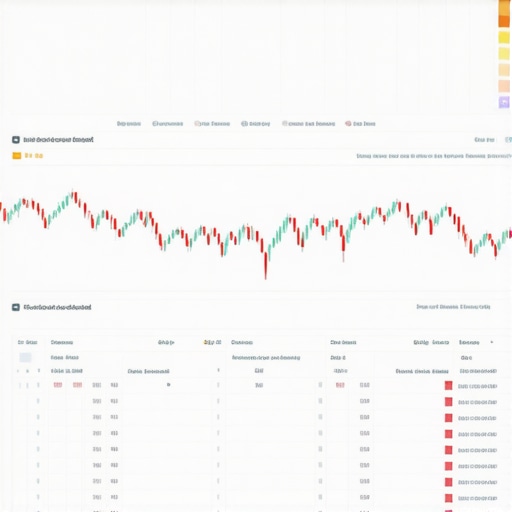
Premium arbitrage involves exploiting the spread between spot prices and physical premiums, which fluctuate with seasonal demand and supply constraints. Savvy investors use detailed premium indices and futures market signals to identify optimal buy points during non-peak periods, then capitalize on capacity constraints and heightened premiums during peak seasons for profit. This approach necessitates deep comprehension of the physical market dynamics, logistics planning, and access to reputable bullion providers who offer transparent pricing and reliable delivery.
Augmenting Portfolio Resilience Through Multi-Layered Strategies
To mitigate the volatility induced by seasonal premiums, investors increasingly employ diversified holdings spanning physical gold, ETFs, and gold mining stocks. Integrating options strategies, such as buying puts during anticipated premium peaks, offers downside protection. Further, utilizing predictive analytics and sentiment analysis tools—sourced from industry data aggregators—allows for anticipatory adjustments aligned with evolving demand cycles and supply chain signals, thereby reinforcing long-term portfolio robustness.
What Cutting-Edge Reporting Tools Are Transforming Gold Market Predictions?
Innovations in data visualization and real-time analytics platforms provide granular insights into premium trends. Tools like Bloomberg’s Commodities Dashboard or specialized blockchain transaction monitors offer transparency into physical gold flows and inventory levels. Coupled with sentiment analytics derived from social media and geopolitical news, these platforms facilitate a holistic understanding of potential premium fluctuations, empowering investors to act ahead of market movements.
Is deploying these advanced tools accessible for individual investors, or are they reserved for institutional strategists?
While some platforms are subscription-based and complex, emerging fintech solutions are democratizing access—offering simplified dashboards and AI-driven alerts tailored for retail investors. Engaging with these tools can democratize strategic gold investing, transforming reactive approaches into proactive, data-driven decision processes.
By integrating nuanced supply chain analytics, machine learning forecasts, and geopolitical risk assessments, discerning investors can surpass conventional tactics, unlocking value amid the intricacies of India’s seasonal gold premiums. As markets evolve, continuous refinement of these advanced methodologies becomes not just advantageous but essential for long-term mastery in precious metals investment.
Exclusive Insights for Gold Investors During Peak Wedding Seasons
Seasoned investors recognize that India’s wedding season extends beyond cultural celebrations, serving as a powerful catalyst influencing global gold markets. Careful analysis of demand surges, supply chain vulnerabilities, and geopolitical influences reveals opportunities for strategic positioning that go beyond surface-level trends. For example, deploying machine learning models trained specifically on seasonal demand patterns can refine entry and exit timings, enhancing portfolio resilience. Advanced investors understand that integrating supply chain intelligence with technical analysis—such as Fibonacci retracement levels—can provide a competitive edge in timing purchases amidst market fluctuations.
Top Resources to Deepen Your Gold Market Expertise
- World Gold Council: Offers comprehensive reports on global gold demand, supply, and geopolitical factors impacting prices—an essential resource for macroeconomic analysis.
- Buying Gold Now: Curates data-driven insights, including premium indices and market alerts, aiding in crafting informed trading strategies.
- Bloomberg Terminal: An industry-standard platform providing real-time data, geopolitical risk assessments, and technical analysis tools tailored for professional investors.
- Financial Analytics Firms: Entities specializing in predictive modeling, using AI and machine learning to forecast demand cycles and premium surges—valuable for proactive investment adjustments.
Refined Perspective on Long-Term Gold Market Navigation
Integrating advanced technical analysis, geopolitical risk management, and supply chain intelligence forms the backbone of a sophisticated gold investment strategy, especially during India’s wedding season that temporarily inflates premiums. Recognizing that short-term surges are often intertwined with macroeconomic shifts allows investors to anticipate broader trends, preserving capital and maximizing gains. In today’s evolving landscape, leveraging these expert insights and resources can transform reactive trading into strategic mastery. To explore how these tactics can serve your portfolio, consider engaging with professional market analysis or consulting specialized financial advisors dedicated to precious metals.
About the Author
Martin Tremblay
Private Investor | Capital Markets Expert
Martin Tremblay is a distinguished Private Investor and Capital Markets Expert with an extensive background in high-stakes financial advisory and strategic acquisitions. As a key figure at HCI, a premier capital advisory and mergers and acquisitions boutique firm with a presence in Montreal, Toronto, and New York, Martin brings a wealth of cross-border experience to the buyingoldnow.com community. His professional focus centers on identifying undervalued opportunities within established markets and navigating the intricate landscape of capital structures. With years of experience operating at the intersection of capital markets and private equity, Martin offers authoritative insights into the nuances of acquiring legacy assets and businesses. His expertise is grounded in a deep understanding of M&A processes, valuation methodologies, and the strategic deployment of capital. On buyingoldnow.com, he leverages his professional background to provide readers with actionable advice on securing and scaling established businesses for modern success. Martin is dedicated to demystifying the complexities of the investment world and is passionate about helping aspiring investors and entrepreneurs achieve long-term financial growth through informed decision-making.
LinkedIn Profile