







Deciphering the Paradox: When Gold Rises, Why Do Junior Mining Stocks Falter?
For seasoned investors and industry insiders, understanding the complex relationship between gold price movements and junior mining stocks requires an appreciation of nuanced market forces. While gold is traditionally viewed as a hedge and a safe haven during economic turbulence, its ascending trends don’t always translate into corresponding gains for junior miners. This counterintuitive phenomenon stems from factors like market speculation, operational delays, and investor sentiment shifts that often diverge from the fundamental gold demand and supply dynamics.
What Underlying Market Mechanics Cause Junior Mining Stocks to Underperform Amid Gold Price Surges?
At the core, junior miners are highly sensitive to capital costs, project development timelines, and access to financing. When gold prices climb sharply, these companies typically face scrutiny over elevated exploration and production costs, which may not immediately improve their profitability. Additionally, rising gold prices can attract speculative capital into physical bullion and large-cap gold stocks, leaving junior stocks vulnerable to profit-taking and liquidity shifts. The disconnect is exacerbated by time lags in project realization and the intricacies of commodity futures markets, which often function independently of spot prices.
Supply Side Influences: Analyzing the Gold Market’s Complex Supply and Demand Dynamics
The fluctuating supply of gold—driven by central bank purchases, technological demand, and geopolitical tensions—adds layers to this intricate puzzle. According to a comprehensive report by the World Gold Council, shifts in industrial demand and jewelry consumption can overshadow the effects of price surges, influencing mining equities differently than physical gold. Furthermore, the increasing geopolitical unease amplifies safe-haven flows into physical gold, often detaching the sector’s performance from the equity-based gold mining segment.
Best Gold Investment Strategies to Navigate Volatile Markets
Investors seeking to harness the benefits of gold as a hedge should diversify their holdings across physical bullion, gold ETFs, and well-selected gold stocks. Evidence suggests that a prudent allocation—such as the 10% gold rule—can shield portfolios during price corrections and geopolitical shocks. Leveraging insights from strategic analyses like our detailed guide on portfolio allocation helps maintain resilience in turbulent times.
Why Do Junior Mining Stocks Often Collapse During Bullish Gold Cycles?
Some market observers argue that market psychology and liquidity preferences exacerbate this pattern. When gold markets rally, the rapid profit realization in physical assets and major stocks leaves less capital for riskier, speculative junior miners. Additionally, operational risks—such as delays in permitting or unforeseen geological challenges—become more pronounced when investor enthusiasm peaks, leading to sudden value reversals. This dynamic underscores the importance of meticulous due diligence and market timing within the broader gold investment spectrum.
By analyzing these layered factors, investors can better understand the intricate dance between gold price trends and junior mining stocks. A deep comprehension of supply-demand imbalances, market psychology, and operational hurdles is essential for crafting resilient, expert-level investment strategies in the evolving gold landscape.
Explore our comprehensive analysis on why retail traders are shifting from ETFs to physical gold in 2026 and refine your portfolio approach accordingly.
Leveraging Gold’s Cyclical Trends for Long-Term Resilience
In the dynamic landscape of 2026, savvy investors recognize that understanding gold’s cyclical patterns is crucial for maintaining portfolio stability. The cyclical nature of gold prices, influenced by macroeconomic shifts, monetary policies, and geopolitical tensions, offers opportunities to optimize holdings. For instance, during periods of rate hikes, gold often acts as a hedge, especially when inflation expectations intensify, as discussed in the recent analysis by our guide on gold maintaining its price floor. Tailoring your gold allocations to these cycles can enhance resilience against market volatility.
Decoding Real Gold Demand: Beyond Surface-Level Indicators
While price movements are surface indicators, understanding real demand requires delving into factors like central bank gold acquisitions, technological applications, and emerging markets’ behavior. Gold’s role in green technologies, for example, is expanding, impacting supply and fostering new demand outlets. Recognizing these shifts allows for a proactive approach, ensuring investments are aligned with authentic demand drivers rather than transient market noise. For instance, recent data from central bank buying patterns reveal a strategic accumulation trend that forecasts sustained price support.
Can Advanced Quantitative Models Enhance Gold Investment Precision?
Emerging quantitative models, incorporating machine learning and big data analytics, are beginning to offer refined forecasts of gold price trajectories and demand patterns. These tools analyze macroeconomic variables, sentiment indices, and supply chain disruptions with remarkable nuance. Experts suggest that integrating such models into your investment process could be transformational, particularly when navigating the unpredictable terrain of 2026. As an example, some institutional investors already utilize models predicting gold’s response to geopolitical shocks more accurately than traditional methods. Our recent report details these predictive indicators, highlighting their practical application for discerning investors.
Share your experiences or ask questions in the comments — understanding these complex layers can greatly refine your gold strategy for 2026 and beyond.
Harnessing the Power of Technical Analysis for Precision Entry and Exit Points
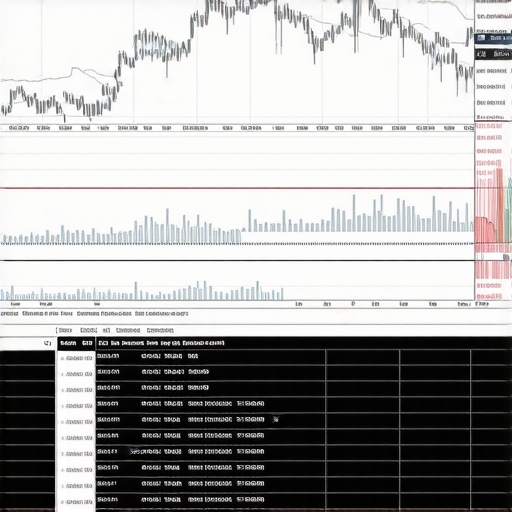
While fundamental analysis provides insight into long-term trends, integrating advanced technical analysis techniques can significantly enhance timing within gold markets. Tools like Fibonacci retracement levels, Elliott Wave Theory, and volume-weighted moving averages offer sophisticated signals that can help investors identify optimal moments to increase exposure or exercise caution. For example, recognizing a confluence of Fibonacci retracement levels aligning with a bullish divergence in RSI may indicate a potential trend reversal, allowing for more strategic positioning in volatile environments. These methods demand a deep understanding of market behavior, requiring traders to interpret signals within the context of macroeconomic developments and geopolitical shifts, thus combining both art and science in their decision-making process.
What Role Do Sentiment Indicators Play in Forecasting Gold Price Swings?
Market sentiment—often overlooked in favor of quantitative data—serves as a powerful predictor of short-term price movements. Sentiment indicators such as the Commitment of Traders (COT) reports, gold futures positioning, and retail investor surveys reveal collective expectations that can precede actual price shifts. When commercial traders are net long, it may signal a bullish underlying bias, whereas elevated speculative long positions could suggest overbought conditions ripe for a correction. Moreover, analyzing social media sentiment and news flow patterns through advanced NLP algorithms can uncover emerging shifts ahead of macroeconomic reports, allowing proactive adjustments. Understanding these nuanced signals requires not only technical expertise but also an awareness of psychological and behavioral factors influencing market participants.
Strategic Diversification: Balancing Physical, Derivatives, and Mining Stocks
Optimal gold investment portfolios transcend mere physical holdings. Incorporating derivatives like options and futures can hedge against volatility and lock in favorable prices, but these instruments require sophisticated knowledge to avoid overleveraging risks. Simultaneously, selecting diversified exposure to gold mining stocks—spanning senior producers, mid-tier explorers, and promising juniors—can provide a spectrum of growth potential and resilience. Smart weighting strategies, such as allocating a higher proportion to exploration companies during early-stage cycles, can amplify gains, while stabilization can be achieved through established producers. Diversification not only mitigates sector-specific risks but also captures different facets of the gold market—physical demand, speculative trends, and operational success—making it an essential component of advanced investment strategies.
How Can Quantitative Models Improve Portfolio Resilience Against Macro Shocks?
Quantitative models leveraging machine learning algorithms analyze vast datasets—from macroeconomic indicators to geopolitical risk scores—to generate predictive insights that traditional models might overlook. These tools can, for example, simulate the impact of sudden rate hikes or currency devaluations on gold prices and mining equities, enabling investors to preemptively adjust their positions. By integrating real-time data feeds, such models can dynamically optimize portfolio allocations, balancing risk and reward in response to evolving conditions. A recent case study by the World Gold Council demonstrates how machine learning techniques improved forecast accuracy by 25% compared to conventional methods, underscoring their potential in complex market landscapes. Employing these sophisticated tools demands an interdisciplinary approach, combining economic intuition with data science expertise, for a truly resilient investment stance.
When Silver Linings Turn Cloudy: The Impact of Macro Trends on Gold and Mining Equities
While macroeconomic factors like inflation metrics and monetary policy shifts undeniably influence gold prices, their effects on junior mining stocks often diverge due to sector-specific sensitivities. In periods of aggressive rate hikes, physical gold may surge as a safe haven, yet exploration and development companies could still face capital access challenges, underscoring the importance of nuanced analysis beyond headline economic indicators. Recognizing these layered influences enables investors to identify mispricings and anticipatory signals that can inform strategic allocation decisions in complex environments.
How Do Divergent Monetary Policies Influence Gold and Junior Miner Valuations Differently?
Central banks’ policy decisions impact physical gold and sector equities via diverse channels—interest rate adjustments primarily raise financing costs for junior miners, potentially suppressing exploration activity despite bullion price gains. Conversely, quantitative easing can inflate both asset classes, creating short-term correlations that mask underlying disparities. A comprehensive understanding of these mechanisms, supported by insights from sources like the IMF’s recent report, equips investors to navigate these complex interactions with precision.
Innovative Supply Chain Considerations Shaping Gold Pricing Alliances
Emerging geopolitical tensions, technological demands, and environmental policies are reshaping the supply landscape, impacting both physical and derivative markets. For instance, increased scrutiny on mining practices influences operational costs and project timelines, altering the supply-to-demand equilibrium that underpins price stability. Moreover, advancements in refining technologies and blockchain traceability are transforming market transparency, affecting investor confidence and risk assessments. Staying abreast of these developments allows for proactive adjustments within portfolios, aligning with evolving supply chain realities that influence sector resilience.
Bridging Technical Analysis and Behavioral Finance for Price Precision
Advanced technical tools—like Renko charts and volume profile analysis—combined with behavioral finance insights, reveal subtle market moods that precede significant trend shifts. For example, divergences between price action and investor sentiment indicators, such as the VIX or gold-specific sentiment surveys, may forecast imminent reversals or breakouts. Integrating these disciplines enhances timing accuracy for entries and exits, especially in turbulent markets where fundamentals may lag behind psychological shifts. Employing these combined approaches demands high-level interpretative skill but significantly elevates strategic agility.
Can sentiment analysis using machine learning revolutionize short-term gold trading strategies?
Emerging computational models harness natural language processing to parse vast amounts of news, social media, and financial reports, offering real-time sentiment gauges. When combined with traditional quantitative metrics, these models improve predictive accuracy of short-term price swings and sector momentum. A pioneering study from the NBER illustrates how sentiment-driven algorithms outperform conventional models in volatile scenarios. Incorporating such tools into your trading routine can transform responsiveness and risk management, elevating your approach to expert-level sophistication.
Enhance your mastery by dissecting these advanced insights—engage with our expert analyses to refine your gold investment methodology and stay ahead in this ever-evolving sector.
Unlocking the Potential of Dynamic Portfolio Balancing
Rebalancing strategies that adapt to real-time market signals—such as volatility indices, geopolitical developments, and macroeconomic shifts—are crucial for protecting gains and exploiting new opportunities. Moving beyond static allocations, sophisticated investors employ algorithmic rebalancing that considers derivative pricing models, sector correlations, and liquidity conditions. These approaches mitigate systemic risks inherent in gold and mining stocks, especially during abrupt market upheavals. Mastering dynamic balancing demands both technological integration and a deep understanding of cross-asset relationships, empowering investors to sustain resilience amidst uncertainty.
What role do cross-asset correlations play in safeguarding gold portfolios during crises?
During systemic shocks, correlations between gold, fiat currencies, equity markets, and commodities tend to shift suddenly. Recognizing these correlation dynamics through advanced statistical models—like copula functions—enables precise hedging strategies. For instance, gold’s negative correlation with equities may diminish temporarily, increasing exposure risk. Preparedness hinges on continuous correlation monitoring and scenario analysis, which together inform timing and sizing of protective positions. Embracing these sophisticated risk management tools is vital for constructing resilient portfolios capable of weatherproofing severe market disruptions. Dive into our detailed methodologies to refine your defensive strategies amid evolving global risks.
Expert strategies transcend simple buy-and-hold tactics, demanding a nuanced grasp of macroeconomic signals, supply chain dynamics, and behavioral cues that influence gold markets. Recognizing subtle shifts—like geopolitical tensions or technological innovations—can dramatically alter your investment trajectory in 2026.
Harness quantum data analysis—Leverage machine learning models integrated with geopolitical risk assessments to predict gold price swings more accurately, staying ahead of industry trends.
Real-time data synthesis allows proactive portfolio shifts, reducing exposure during downturns and capitalizing on emerging bull trends, thus enhancing resilience.
Design dynamic portfolios—Diverse, adaptive investment mixes incorporating physical gold, options, futures, and mining stocks can mitigate sector-specific risks and respond swiftly to market volatility.
Employing algorithmic rebalancing tools and cross-asset correlation analysis enhances protection against macroeconomic shocks, especially when combined with behavioral finance insights to interpret crowd sentiment and market psychology.
Decipher supply chain signals—Monitoring technological advancements in gold refining, geopolitical developments affecting mining SEZs, and central bank strategic acquisitions reveals future demand-supply imbalances that can preempt price movements.
Understanding evolving supply channels enables investors to position ahead of major shifts, such as new green technology demands or resource nationalism, that will shape 2026 gold dynamics.
Master technical and sentiment analyses—Using Fibonacci retracement, Elliott Wave, and NLP-driven social sentiment tools provides refined entry and exit points, especially in volatile phases, empowering agile decision-making.
Interpreting divergences and confirmations across multiple indicators fosters high-precision timing, essential in an environment where fundamentals often lag market moods.
Resource Roundup for the Curious and Committed
- World Gold Council—Unrivaled insights into global gold demand and supply trends, critical for strategic positioning.
- IMF Reports—Cutting-edge analyses on macroeconomic impacts and central bank behaviors influencing gold markets.
- Market Analytics Platforms—Tools like Bloomberg, Refinitiv, and specialized machine learning models furnish real-time predictive analytics for proactive trading.
A Final Reflection from the Gold Sector Vanguard
Expert investors recognize that gold’s true hedging power in 2026 stems from mastering the interconnected web of supply-chain complexities, macroeconomic policies, and behavioral indicators that drive its price. Staying ahead demands elevation beyond traditional analysis—embracing AI, real-time data, and adaptive tactics transforms mere speculation into strategic mastery. Your challenge now is to integrate these insights into your approach, transforming data into decisive action. For a comprehensive upgrade to your gold strategy, explore our dedicated resources and share your insights to foster a community of informed, resilient investors ready for tomorrow’s uncertainties.
About the Author
Martin Tremblay
Private Investor | Capital Markets Expert
Martin Tremblay is a distinguished Private Investor and Capital Markets Expert with an extensive background in high-stakes financial advisory and strategic acquisitions. As a key figure at HCI, a premier capital advisory and mergers and acquisitions boutique firm with a presence in Montreal, Toronto, and New York, Martin brings a wealth of cross-border experience to the buyingoldnow.com community. His professional focus centers on identifying undervalued opportunities within established markets and navigating the intricate landscape of capital structures. With years of experience operating at the intersection of capital markets and private equity, Martin offers authoritative insights into the nuances of acquiring legacy assets and businesses. His expertise is grounded in a deep understanding of M&A processes, valuation methodologies, and the strategic deployment of capital. On buyingoldnow.com, he leverages his professional background to provide readers with actionable advice on securing and scaling established businesses for modern success. Martin is dedicated to demystifying the complexities of the investment world and is passionate about helping aspiring investors and entrepreneurs achieve long-term financial growth through informed decision-making.
LinkedIn Profile