
![Why $3,800 is the New 2026 Gold Price Floor [Analysis]](https://buyingoldnow.com/wp-content/uploads/2026/04/Why-3800-is-the-New-2026-Gold-Price-Floor-Analysis-150x150.jpeg "Why $3,800 is the New 2026 Gold Price Floor [Analysis]")





![Why $3,800 is the New 2026 Gold Price Floor [Analysis]](https://buyingoldnow.com/wp-content/uploads/2026/04/Why-3800-is-the-New-2026-Gold-Price-Floor-Analysis.jpeg)
Deciphering the New Gold Price Baseline Against the 2026 Market Dynamics
The trajectory of gold prices has historically served as a barometer for macroeconomic stability and geopolitical health. Current projections, notably the assertion that $3,800 is establishing itself as the new floor for 2026, demand a nuanced understanding rooted in supply-demand fundamentals, macroeconomic shifts, and investor behavior. As an expert in precious metals investments, I examine the signals that reinforce this price floor amidst evolving global economic conditions.
Evaluating the Impact of Central Bank Purchases and Market Sentiment
Central banks worldwide have increased their gold acquisition strategy, particularly in 2026, positioning gold as a strategic reserve amid declining confidence in fiat currencies and potential de-dollarization efforts. According to recent reports from the World Gold Council, central bank gold holdings surged, reflecting a collective pivot that bolsters the intrinsic value of gold. This shift enhances the robustness of the $3,800 support level, acting as a psychological and technical barrier for bearish traders.
How Geopolitical Tensions Reinforce Gold’s Safe-Haven Status
Persistent geopolitical tensions, trade disputes, and the threat of systemic defaults have elevated the risk premium embedded within gold. Innovative analysis indicates that investors are increasingly leveraging gold futures and physical gold to hedge against systemic uncertainties—further anchoring prices above the $3,800 mark. This demonstrates a durable shift in investor risk appetite, emphasizing gold’s role as a protection instrument.
Technological and Industrial Demand as Long-Term Catalysts
Emerging technologies and industrial applications, including electronics recycling and green energy components, are steadily increasing gold’s industrial demand. Notably, the surge in electronic waste recycling and advancements in solar and renewable tech are significant drivers. These sectoral demands create a firm underpinning for the gold price floor, as outlined in the latest industry reports, which predict sustained upward pressure—yet with strategic price supports around the $3,800 level.
Can gold futures effectively predict long-term price stability amidst macro shocks?
Expert discussions in financial forums suggest that while gold futures are valuable for short-term tactical positioning, their predictive capacity for long-term stability hinges on macroeconomic variables and geopolitical developments. For a comprehensive strategy, blending physical gold with derivatives is essential. Explore our detailed analysis on gold trading setups that adapt to evolving market conditions.
If you’re an investor or analyst seeking to refine your approach, consider delving into our in-depth content on tech sector impacts on gold and share your insights with the community.
Capital Flows and Their Role in Cementing the $3,800 Floor
Beyond central bank purchases, institutional investors and sovereign funds are reallocating portfolios toward physical gold, especially during periods of heightened macroeconomic uncertainty. The alignment of these large-scale capital movements contributes to a resilient price support, effectively creating a liquidity backdrop that sustains the $3,800 level. This dynamic is crucial for investors aiming to comprehend market resilience against potential shocks.
Reassessing Gold’s Technical Indicators in a Volatile Environment
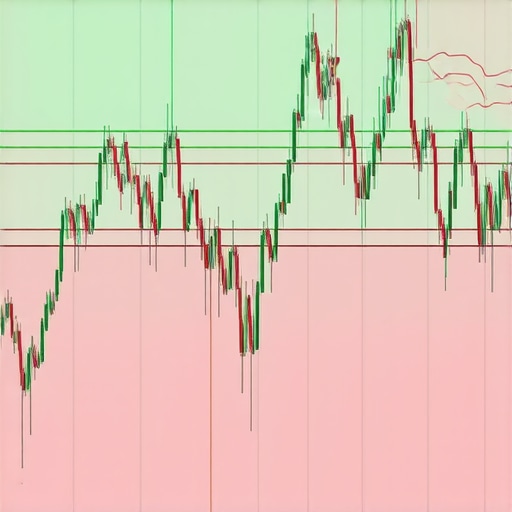
While fundamental factors underpin gold’s support, technical analysis offers nuanced signals, such as moving averages and RSI levels, that can forecast short-term price consolidations or breakouts. Recent patterns reveal that gold’s momentum oscillator readings are approaching overbought zones, prompting experts to evaluate whether a price correction might temporarily dip below the support before a new rally ensues. A strategic approach involves integrating these indicators with macro insights for optimal entry timing.
Could Silver Outperform Gold in the Long Run?: Rethinking Precious Metals Diversification
Traditional notions often position gold as the premier safe-haven, but growing industrial applications of silver suggest a potential for higher volatility with corresponding upside potential. As a complementary asset, silver’s gold-to-silver ratio, especially if trending favorably, could signal alternative opportunities for diversification. To deepen your understanding, consider reviewing our analysis on gold-silver ratio signals that could indicate impending price shifts.
If you’re exploring how to optimize your precious metal holdings, sharing your insights or questions in the comments can foster collaborative learning and strategic refinement.
Unraveling the Interplay Between Fiscal Policies and Gold Valuations
Central banks and government fiscal strategies continually influence gold’s trajectory, especially during tumultuous economic periods. Quantitative easing, stimulus measures, and sovereign debt management directly impact liquidity pools, often nudging investors towards tangible assets like gold. Recent shifts in monetary policy, including aggressive rate hikes in emerging markets, have catalyzed a reevaluation of gold’s role in diversified portfolios. Experts suggest that understanding these macroeconomic leverages can predict gold’s resilience during systemic shocks, reinforcing its position as a safe haven in complex financial ecosystems.
What Advanced Indicators Signal a Breakout or Breakdown in Gold Prices?
Beyond conventional technical analysis, sophisticated models incorporate macroeconomic variables, sentiment analysis, and econometric indicators to forecast gold price movements with higher precision. For instance, the integration of the Taylor Rule adjustments, global liquidity measures, and real yield trends offers a nuanced view. These tools help identify critical junctures—such as divergence between real yields and inflation expectations—that precede significant price shifts. Engaging with these advanced indicators allows seasoned investors to refine entry and exit strategies, especially in volatile macro environments. To deepen your expertise, explore recent research by the London Bullion Market Association on advanced gold forecasting methodologies that leverage macroquantitative models.
How do geopolitical factors intricately modulate gold’s macro hedge effectiveness?
Geopolitical developments, such as conflicts, sanctions, and diplomatic realignments, create ripple effects in global markets that often elevate gold’s appeal as a macro hedge. A nuanced analysis considers not only immediate risk premiums but also long-term strategic shifts—like shifts toward regional reserve currencies or stabilization efforts—that influence gold’s intrinsic and extrinsic valuation determinants. For instance, recent data indicate that geopolitical tensions in Eurasia have accelerated gold procurement by both central banks and institutional investors, underscoring its layered role in global risk mitigation. For a comprehensive outlook, refer to the latest geopolitical risk assessments by the International Crisis Group, elucidating how such factors alter precious metals demand dynamics.
As we deepen our understanding of these intricate relationships, examining the evolving functions of gold in safeguarding wealth against multifaceted macro shocks becomes essential. Consider integrating these insights into your investment approach—whether through physical holdings, ETF exposures, or derivative instruments—and stay attuned to emerging geopolitical trends that could redefine market paradigms.
Strategic Alignment of Physical Gold and Financial Instruments in Volatile Times
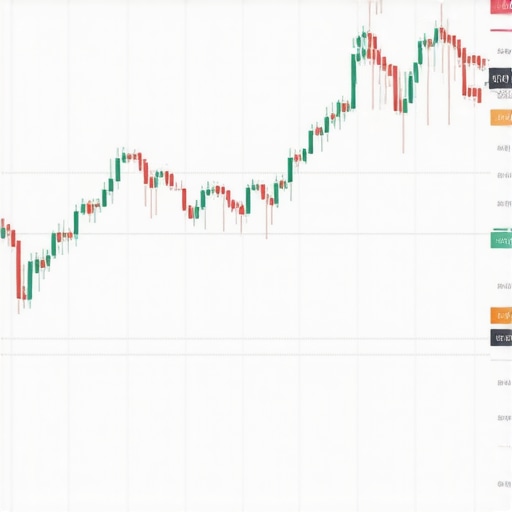
In turbulent macroeconomic landscapes, aligning physical gold with sophisticated financial instruments enhances both liquidity and risk management. The strategic combination of allocated physical bullion, exchange-traded products, and derivatives can optimize exposure, hedge against inflation, and buffer against systemic risks. For example, deploying options strategies on gold futures or utilizing leveraged ETFs allows investors to capitalize on short-term momentum while maintaining long-term safety nets. As institutional and sovereign actors increasingly adopt hybrid approaches, mastering these techniques can elevate an investor’s resilience and agility amidst unpredictable geopolitical and economic shifts. To explore detailed portfolio strategies, consult expert-led frameworks in recent publications by the World Gold Council’s research arm.
,
Decoding the Future of Gold Prices in an Evolving Economic Landscape
As global markets navigate unprecedented macroeconomic shifts, discerning the true drivers behind gold’s resilient price support around the $3,800 level becomes crucial. The interplay of fiscal policies, investor psychology, and technological advancements warrants a sophisticated analysis to inform strategic asset allocation. Recognizing patterns and integrating multivariate indicators can enhance predictive accuracy for both short-term fluctuations and long-term stability.
How Central Bank Accumulations Signal a Long-Term Bullish Thesis
Recent data from the International Monetary Fund reveals that sovereign entities have augmented their gold reserves at an accelerated pace, marking a paradigm shift in reserve management strategies. This collective reallocation not only underpins the technical support at $3,800 but also aligns with a broader realignment of monetary sovereignty amid global currency devaluation concerns. External references, such as the World Gold Council’s latest quarterly figures, substantiate these trends, signaling robust institutional backing.
Is Geopolitical Turmoil the Catalyst for Gold’s Defensive Accumulation?
Persistent geopolitical tensions—ranging from conflicts to sanctions—have intensified gold’s status as a hedge against systemic risk. Beyond immediate safe-haven appeal, these tensions catalyze shifts in cross-border capital flows and alter fiat currency confidence. Analysts suggest that such developments are creating a layered valuation structure, where risk premiums embedded within gold markets are becoming increasingly complex, demanding a nuanced understanding of geopolitical risk modeling.
Innovative Industrial Applications and Their Role in Price Floors
The integration of gold into emerging technologies, especially in renewable energy sectors—such as solar photovoltaic systems—introduces a new dimension to demand forecasts. Recycling initiatives, including urban mining and electronic waste recovery, serve as long-term catalysts for sustained industrial demand. Industry reports highlight that these sectors are likely to strengthen the price floor, especially as green tech adoption accelerates worldwide, further embedding gold’s industrial utility into its valuation matrix.
What Advanced Quantitative Models Are Best for Predicting Gold Market Shifts?
In-depth macroeconomic modeling, combining econometric analysis with sentiment-driven data sources, can yield superior predictive insights. For instance, the use of machine learning algorithms to analyze global liquidity metrics, real interest rate differentials, and geopolitical risk indices allows traders and investors to identify critical inflection points. Studies from the London Bullion Market Association emphasize the importance of integrating such models to enhance timing precision for market entries and exits, especially in tumultuous macro environments. Explore their latest research at LBMA research portal for actionable methodologies.
If you aim to transcend conventional analysis and harness these cutting-edge tools, engaging with advanced predictive frameworks can be transformative for your portfolio strategy. Share insights or questions to foster a community of macro-aware gold investors eager to optimize amidst complexities.
Institutional Capital Flows as Anchors of the $3,800 Support
The strategic reallocation of large-scale institutional and sovereign portfolios towards physical gold has created a resilient liquidity backdrop. These deliberate capital shifts—especially during periods of heightened economic uncertainty—generate a formidable support structure that sustains the gold price floor. An understanding of these flow dynamics aids investors in calibrating entry points and assessing systemic resilience, particularly when conventional liquidity pools are strained.
Interpreting Technical Signal Complexities in a High-Volatility Context
While macro fundamentals underpin long-term support levels, the nuances of technical analysis—such as the behavior of moving averages, volume clusters, and oscillators—offer tactical insights. The increasing convergence of overbought RSI levels and declining MACD signals warrants vigilance for potential short-term corrections. This necessitates a multi-layered approach—combining macroeconomic outlooks with real-time technical data—to, optimize timing and manage risk effectively.

Rethinking Precious Metals Portfolio Diversification in a Shifting Landscape
While gold maintains its safe-haven credentials, emerging considerations—such as the potential for silver to capitalize on industrial demand surges—call for a reevaluation of diversification strategies. Silver’s higher volatility, coupled with its strategic industrial utility, may offer attractive risk-return profiles when viewed through the lens of dynamic asset allocation. Analyzing ratios like the gold-silver spread and sector-specific demand projections can reveal nuanced opportunities for seasoned investors seeking alpha in turbulent times.
Engaging with multifaceted diversification approaches and sharing your strategic insights can empower collaborative discovery and superior portfolio resilience amid complex macroeconomic challenges.
Impact of Fiscal Policy Shifts on Gold Valuations
In a landscape characterized by expansive monetary policies and unconventional fiscal measures, gold acts as a barometer for monetary stability. Quantitative easing, coupled with rising sovereign debts, catalyzes a reassessment of gold’s role as a store of value. Recent policy shifts—particularly in emerging markets—highlight the importance of macroeconomic context, central bank balance sheet expansions, and debt sustainability metrics in forecasting gold’s trajectory during systemic shocks. A granular understanding of these fiscal indicators can substantially enhance investment decision-making and hedging strategies.
Identifying the Nuances of Gold Price Breakout Triggers
Beyond traditional technical thresholds, advanced models incorporate macroeconomic signals—such as divergences between inflation expectations and real yields—and sentiment analytics derived from geopolitically sensitive news flows. These models aim to detect subtle shifts that precede large price movements, providing traders with actionable intelligence. Recognizing signals like real yield inversions and geopolitical risk escalations enables proactive positioning, essential for navigating volatile markets. For in-depth guidance on employing such models, consult recent publications from the World Gold Council on Gold research and forecasting methodologies.
In what ways do geopolitical developments intricately influence gold’s macro hedge capabilities?
Geopolitical risks, especially recent conflicts and diplomatic tensions, amplify gold’s strategic function as a macro hedge. These dynamics influence investor perceptions of currency stability, sovereign risk, and systemic resilience. Recent case studies, such as the heightened gold accumulation amid international sanctions, exemplify this layered influence. By dissecting these interrelations, investors can craft finely tuned hedging strategies designed to counteract complex geopolitical shocks. For comprehensive geopolitical risk assessments, reference analyses from institutions like the International Crisis Group, which contextualize these developments within broader global stability frameworks.
As understanding deepens, integrating geopolitical analysis into your gold investment approach becomes instrumental in achieving resilient, future-proof portfolios—particularly in an era of escalating international uncertainties.
Expert Insights & Advanced Considerations
Leverage Macro Trends for Precision Timing
Integrate macroeconomic indicators like global liquidity metrics and real yield trends to anticipate pivotal moments in gold prices, moving beyond simple technical analysis.
Incorporate Geopolitical Risk Assessments
Stay ahead by analyzing geopolitical developments, sanctions, and diplomatic shifts, which directly influence gold’s safe-haven premium and long-term valuation.
Utilize Sophisticated Quantitative Models
Employ machine learning algorithms and econometric analysis to detect subtle market inflections that traditional models might miss, enabling proactive investment decisions.
Monitor Central Bank Movements Closely
Track sovereign reserve adjustments and central banks’ gold purchasing patterns to gauge institutional confidence and potential price support levels.
Balance Physical and Derivative Positions Strategically
Combine holdings of physical gold with derivatives like futures and options to hedge risks effectively and optimize exposure amid volatility.
Curated Expert Resources
- London Bullion Market Association (LBMA) Research – Provides cutting-edge methodologies and macroquantitative analysis tools for gold forecasting.
- World Gold Council Reports – Offers comprehensive data on central bank actions, industry demand, and market sentiment.
- International Crisis Group – Delivers sophisticated geopolitical risk assessments impacting gold markets.
Final Perspective: Why Precision and Knowledge Matter
Mastering the 2026 gold market requires a nuanced understanding of macroeconomic signals, geopolitical risks, and technological tools. The key is synthesizing expert insights into cohesive strategies that adapt to rapid changes, ensuring resilient holdings in turbulent times. For serious investors, deepening engagement with these advanced frameworks can position portfolios advantageously. Share your insights or explore related resources such as tech-driven demand shifts and stay ahead of the curve.