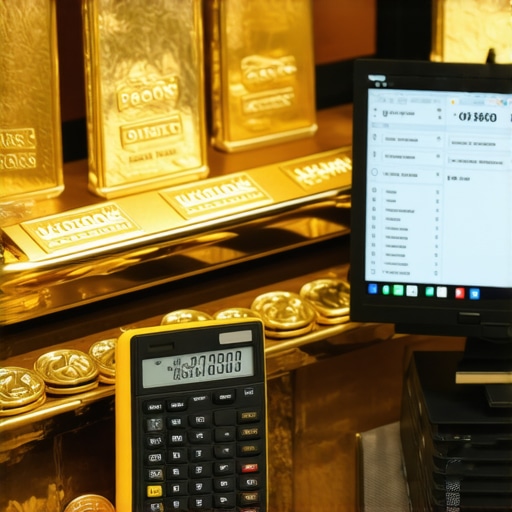







Unveiling the Complexity of Modern Gold Investment Landscapes
In an era marked by geopolitical shifts and fluctuating economic indicators, understanding the nuanced terrain of gold investments becomes paramount for both seasoned investors and newcomers alike. The interplay between central bank gold purchases, gold demand trends, and the evolving landscape of gold futures requires a sophisticated analytical approach rooted in experience and deep market comprehension.
Harnessing the Power of Gold for Diversification and Wealth Preservation
Gold, historically revered as a tangible store of value, continues to serve as a vital hedge against inflation and currency depreciation. Recent data from authoritative sources, such as the World Gold Council, highlight that central banks have increased their bullion acquisitions significantly, signaling a shift from merely speculative plays to strategic reserve management. This underscores the importance of integrating physical gold, like gold coins and bullion, into a diversified portfolio aligned with long-term financial resilience.
Evaluating Gold Demand Trends Amid Economic Uncertainty
Understanding demand dynamics involves analyzing multifaceted factors, including technological sector needs, jewelry consumption patterns, and investment inflows. For instance, central bank gold purchases serve as a compelling indicator of institutional confidence in the metal’s safety amidst monetary instability. Moreover, seasonal variations and geopolitical tensions often cause abrupt shifts in gold prices, which informed investors can leverage through technical analysis tools like Fibonacci levels and candlestick chart reading.
Is Investing in Gold Suitable for Beginning Portfolio Diversification?
While the notion of venturing into gold for beginners may evoke caution, adopting a calculated approach—such as allocating a modest percentage of assets into physical bullion or vetted gold mutual funds—can bolster financial security. Emphasizing physical possession over paper assets during bank holidays or market crashes underscores gold’s unique role as a crisis-proof safeguard. For practical guidance, consulting detailed buy-and-sell strategies helps prevent overpaying premiums and falling prey to counterfeit risks, as detailed in expert guides.
What Are the Hidden Risks in Gold Futures Trading for Beginners?
Gold futures present both opportunities and perils. Yet, novice traders often underestimate the aggressive leverage and volatility inherent in futures contracts, which can lead to substantial losses within a short timeframe. Market analysis reveals that a significant percentage of new traders falter within six months, emphasizing the necessity for comprehensive education and risk management protocols before engaging with futures markets.
Investing in gold demands a layered understanding of global demand trends, central bank strategies, and the technical signals that presage sharp market movements. Building a resilient gold portfolio involves leveraging expert insights, staying informed through reputable analyses, and practicing disciplined, knowledge-driven decision-making.
To deepen your expertise, explore authoritative content such as the comprehensive analysis provided at Buying Gold Now and contribute your insights to the evolving discourse on safe-haven assets. Knowing when and how to adapt your gold holdings to market signals can not only preserve wealth but also unlock opportunities within complex financial ecosystems.
Unlocking the Potential of Gold Amid Global Economic Shifts
In today’s volatile economic environment, savvy investors recognize that gold’s role extends beyond mere preservation; it can serve as a strategic lever in diversifying and strengthening portfolios. Recent trends, such as surging central bank gold acquisitions, reflect a shift towards tangible assets amidst monetary uncertainties. Understanding these signals requires a nuanced approach—delving into macroeconomic indicators, geopolitical developments, and market sentiment to anticipate gold’s directional moves and ensure informed decision-making.
Leveraging Technical Analysis for Precision Entry and Exit Points
Technical tools, such as Fibonacci retracement levels and candlestick chart patterns, enable investors to identify optimal points to buy or sell gold. For instance, recognizing a ‘golden cross’ or a specific bullish engulfing pattern can guide timing, potentially improving investment returns. Incorporating these methods alongside fundamental analyses offers a comprehensive framework—empowering investors to navigate complex markets with confidence and reduce reliance on speculative guesswork. Moreover, staying attuned to seasonal demand behaviors and industrial consumption trends further refines market timing strategies.
Building Resilience with a Diversified Gold Portfolio
Expert portfolio management emphasizes the importance of diversification—combining physical gold, gold ETFs, and gold mining stocks to mitigate risks associated with any single asset class. As highlighted by authoritative sources, such as the Buying Gold Now insights, a balanced mix can safeguard against sector-specific downturns while capturing different growth dynamics within the precious metals ecosystem. Importantly, physical possession enhances security during unpredictable financial crises, emphasizing the need for prudent storage solutions and awareness of potential risks, including counterfeit detection and premium costs.
How Can Investors Differentiate Between Market Noise and Genuine Signals?
This question underscores the importance of developing a disciplined approach anchored in credible data and analytical rigor. For example, cross-referencing technical patterns with macroeconomic reports and geopolitical developments can provide a more holistic view, reducing the chances of reacting to transient market “whipsaws.” Utilizing reputable data sources and maintaining a long-term perspective ensures that investment decisions are driven by substance rather than short-term sentiment swings. Continued education through expert analyses, like those found on Buying Gold Now, is essential for mastering this nuanced process.
If you’re eager to elevate your gold investment strategy, consider exploring in-depth guides on securing physical gold without overpaying, or examining how geopolitical tensions influence gold’s safety perception. Sharing your insights in the comments can also foster collective learning, helping more investors navigate this intricate landscape effectively.
Decoding Gold Price Fluctuations in a Geopolitically Charged World
In today’s interconnected global landscape, geopolitical tensions exert a profound influence on gold prices, often triggering swift and unpredictable market responses. Investors keen on safeguarding wealth must develop a nuanced understanding of how events such as trade disputes, regional conflicts, or diplomatic shifts impact the precious metals market. For instance, the escalation of tensions in the South China Sea has historically coincided with short-term gold price surges, reflecting the metal’s status as a safe-haven asset.
Advanced investors leverage a blend of macroeconomic analysis, geopolitical risk assessment, and real-time market data to anticipate these movements. This involves monitoring indicators like currency strength, bond yields, and inflation expectations, which collectively inform the broader environment influencing gold’s appeal. Understanding these intricate relationships enables strategic entry and exit points, particularly when coupled with technical indicators such as moving averages and MACD divergences.
Integrating Geopolitical Risk into Your Gold Investment Strategy
Building an effective portfolio amid geopolitical instability requires a proactive approach. Diversification across physical gold, gold ETFs, and mining shares can buffer against localized shocks, while hedging strategies like options contracts provide additional layers of protection. Notably, during periods of heightened uncertainty, premiums on physical gold often swell due to increased demand, underscoring the importance of timing and liquidity management.

Visualize the relationship between geopolitical events and gold prices with a dynamic world map highlighting regions of tension and corresponding market reactions, aiding in strategic decision-making.
Recognizing the Long-Term Implications of Political Instability
Beyond immediate price reactions, sustained geopolitical crises can reshape market fundamentals and policy landscapes. For example, prolonged trade wars may accelerate central bank gold accumulation as countries seek to diversify reserves away from dollar dependence, fundamentally altering supply-demand dynamics. Engaging with authoritative analyses, such as reports from the World Gold Council or geopolitical risk assessments from strategic consultancy firms, empowers investors to align their strategies with evolving geopolitical climates.
How Do Central Bank Policies Respond to Heightened Global Tensions, and What Does That Mean for Gold?
Central banks often recalibrate their monetary policies in response to geopolitical upheavals, influencing gold’s trajectory. During crises, many adopt expansionary policies—cutting interest rates or engaging in quantitative easing—reducing the opportunity cost of holding non-yielding assets like gold. Conversely, stable or rising interest rates might diminish gold’s relative attractiveness unless inflationary pressures persist. To decode these complex interactions, investors should stay informed through authoritative central bank communications and macroeconomic forecasts, integrating these insights into their tactical planning.
For those seeking to deepen their mastery of geoeconomic influences on gold, frameworks like the Gold-Silence Indicator—analyzing the divergence between gold prices and currency movements amidst geopolitical stress—can provide an edge. Subscribing to expert insights and attending specialized webinars enhances this understanding, equipping you to turn global events into strategic opportunities rather than surprises.
Unlock Hidden Opportunities in Gold Amidst Evolving Reserve Strategies
As central banks recalibrate their reserves in response to economic upheavals, discerning investors can capitalize on these subtle shifts. Recent analyses highlight that increased gold accumulation by sovereign entities often presages broader financial instability, offering a strategic window for institutional and high-net-worth portfolios. Recognizing these patterns requires an advanced understanding of macroeconomic indicators, balance of payments data, and geopolitical signals, enabling proactive asset allocation that outperforms conventional diversification.
How Do Shifts in Central Bank Reserves Signal Market Turning Points?
Monitoring the quarterly reports of central bank gold holdings, as compiled by the World Gold Council, reveals a nuanced narrative of confidence and caution. For instance, a sustained uptick in official bullion reserves may indicate a hedge against emerging currency devaluations or a strategic move away from dollar-denominated assets. Integrating this data with geopolitical developments enhances predictive accuracy, positioning astute investors to adjust positions before mainstream markets react. For authoritative insights, consult specialized analyses from institutions like the International Monetary Fund or the Bank for International Settlements, which provide detailed reserve flow reports.
Engage with expert commentary and consider leveraging advanced portfolio hedging strategies that incorporate these macro-level shifts to secure your financial future in uncertain times.

Visualize the correlation between central bank reserve movements and gold prices with a comprehensive chart illustrating global reserve changes and market reactions over recent quarters.
Leveraging Innovative Investment Vehicles for Diversification
Beyond traditional physical holdings and ETFs, the emergence of thematic gold funds and securitized bullion products offers tailored exposure aligned with specific investor profiles. These vehicles often incorporate leverage, derivatives, and derivative-based ETFs, allowing sophisticated strategies that amplify gains or mitigate risks through options and futures. Such instruments demand a granular understanding of leverage effects, volatility dynamics, and counterparty risks, thus rewarding only those with a robust risk management framework.
What Are the Risks of Using Derivative-Linked Gold Products?
While derivatives can enhance gains, they introduce complexities like counterparty exposure, liquidity constraints, and potential for margin calls during volatile market swings. Novice investors often underestimate these factors, leading to significant losses. A comprehensive grasp of derivative mechanics, stress testing under extraordinary scenarios, and employing protective stops are essential. Consulting with specialized financial advisors and staying updated with regulatory changes—such as those from the Commodity Futures Trading Commission—can safeguard your investments in these high-stakes environments.
Investors equipped with this layered knowledge can craft resilient multi-tiered portfolios that capitalize on both macroeconomic signals and innovative product strategies, potentially outperforming traditional gold investment approaches.
#
Why Sovereign Reserves Signal Emerging Opportunities
Examining the tactical increase in central bank gold holdings reveals a strategic shift, indicating a move towards tangible reserves amidst global monetary volatility. Recognizing these patterns allows seasoned investors to anticipate potential market inflection points and adjust portfolios proactively, leveraging authoritative data sources like the Buying Gold Now analysis for deeper understanding.
Avoid Fads: Focus on Authentic Gold Assets
In a landscape saturated with trendy investment vehicles, the enduring value of physical gold coins and bars remains unmatched for reliability and liquidity. Emphasizing gold’s role as a true store of value, especially during economic downturns, emphasizes disciplined asset selection. Expert commentary underscores that direct possession mitigates counterparty risks inherent in paper-based instruments.
Harness Technical Signals for Tactical Timing
Mastering chart patterns—such as Fibonacci retracements and candlestick formations—empowers investors to identify precise entry and exit points. Utilizing advanced tools like moving average crossovers can significantly enhance decision-making accuracy, offering an edge over generic timing strategies. Continuous education via reputable sources fortifies one’s ability to read market nuances effectively.
Incorporate Diversification for Portfolio Resilience
Blending physical bullion, gold ETFs, and mining stocks creates a multi-layered hedge against sector-specific downturns and geopolitical shocks. The Buying Gold Now insights advocate for this balanced approach, emphasizing that physical possession during crises enhances security. Diversification strategies must also account for storage solutions and counterfeit safeguards to maintain integrity.
Decode Global Signals Beyond Price Movements
Interpreting the impact of geopolitical events on gold requires synthesizing macroeconomic data with real-time news. Recognizing patterns—such as safe-haven surges during regional tensions—enables strategic positioning. Integrating geopolitical risk assessments from authoritative reports helps buffer against reactive trading and supports long-term wealth preservation.
About the Author
Martin Tremblay
Private Investor | Capital Markets Expert
Martin Tremblay is a distinguished Private Investor and Capital Markets Expert with an extensive background in high-stakes financial advisory and strategic acquisitions. As a key figure at HCI, a premier capital advisory and mergers and acquisitions boutique firm with a presence in Montreal, Toronto, and New York, Martin brings a wealth of cross-border experience to the buyingoldnow.com community. His professional focus centers on identifying undervalued opportunities within established markets and navigating the intricate landscape of capital structures. With years of experience operating at the intersection of capital markets and private equity, Martin offers authoritative insights into the nuances of acquiring legacy assets and businesses. His expertise is grounded in a deep understanding of M&A processes, valuation methodologies, and the strategic deployment of capital. On buyingoldnow.com, he leverages his professional background to provide readers with actionable advice on securing and scaling established businesses for modern success. Martin is dedicated to demystifying the complexities of the investment world and is passionate about helping aspiring investors and entrepreneurs achieve long-term financial growth through informed decision-making.
LinkedIn Profile