







The Interplay of Inflation Metrics and Gold Price Fluctuations: A Deep Dive for Investors
In the realm of precious metals, few relationships are as complex and consequential as the link between inflation data and gold price movements. As an expert observing modern monetary trends, I recognize that inflation figures serve as pivotal signals, often dictating short-term volatility and long-term valuation trajectories of gold. Understanding this nuanced interaction empowers savvy investors to anticipate market shifts and craft resilient gold investment strategies.
Why Inflation Data Holds the Key to Gold’s Trajectory in 2026
Historical analyses and recent market behaviors underscore that inflation metrics—such as the Consumer Price Index (CPI) and Producer Price Index (PPI)—act as primary catalysts for gold price volatility. Elevated inflation readings erode the real returns on fiat currencies, prompting investors to seek safe havens. Gold, with its intrinsic value and historical role as an inflation hedge, naturally responds with price adjustments.
This relationship is further emphasized by central bank policies reacting to inflation data. An unexpected surge often triggers aggressive monetary tightening, which can initially suppress gold prices but subsequently catalyze investor flight to gold amidst fiat currency devaluation expectations. Conversely, subdued inflation figures can diminish gold’s appeal, leading to potential price corrections. Such dynamics demonstrate why a meticulous analysis of inflation reports is indispensable for market participants aiming to forecast gold advances or dips.
The Analytical Framework Bridging Inflation Trends to Gold Investment Decisions
Expert investors employ a multifaceted analytical framework—integrating inflation forecasts with geopolitical, monetary policy, and supply-demand factors—to navigate gold markets. For instance, a rising inflation environment combined with loose monetary policy often foreshadows bullish gold trends. Conversely, signs of persistent deflationary pressures can suppress interest in gold, regardless of inflation concerns.
Additionally, the feedback loop between inflation expectations and gold prices creates a self-reinforcing cycle. When inflation data signals persistent or accelerating inflation, market sentiment shifts towards preemptive hedging, propelling gold demand globally. This is evidenced by reports indicating that the recent surge in gold demand from central banks, particularly in late 2026, correlates strongly with inflation metrics suggesting sustained price increases, as documented by the World Gold Council.
How Can Investors Sharpen Their Response to Inflation-Induced Volatility?
Adaptive strategies involve monitoring real-time inflation data releases and their immediate market impact, alongside macroeconomic signals. Keeping abreast of inflation expectations—derived through market-based instruments like Treasury Inflation-Protected Securities (TIPS)—can offer predictive insights ahead of official reports. Moreover, diversifying gold holdings across different forms—such as physical bullion, gold coins, and ETFs—can mitigate individual exposure risks.
Furthermore, utilizing technical tools—like Fibonacci retracements and moving averages—can aid in timing entries and exits during inflation-driven spikes. Coupled with fundamental analysis on central bank activities and global geopolitical developments, these approaches foster a comprehensive outlook critical for capital preservation and strategic growth amidst inflationary periods.
What are the most reliable indicators to predict when inflation data will trigger significant gold price movements, and how can traders avoid false signals?
Evaluating a combination of leading indicators—such as inflation expectations from futures markets, changes in gold-forward rates, and macroeconomic policy shifts—can enhance predictive accuracy. Staying informed through reputable sources like the Federal Reserve’s statements or International Monetary Fund assessments is equally vital. For further insights, consult this detailed report by the IMF on Inflation Expectations and Asset Performance.
Effective navigation through the inflation and gold nexus requires both diligent analysis and strategic agility. As market conditions evolve, continuous learning and adaptation remain paramount; consider exploring more advanced techniques in specialized gold investment research or engaging with expert forums dedicated to macroeconomic and precious metals discussions.
Uncovering the Hidden Drivers Behind Gold’s Response to Inflation Data
While many investors focus on immediate inflation reports, understanding the underlying drivers that influence gold’s reaction requires a deeper dive into macroeconomic signals and policy responses. Factors such as the real yields on government bonds, currency stability, and global economic sentiment often act as catalysts that amplify or dampen gold’s sensitivity to inflation figures. For instance, when real yields turn negative amid aggressive monetary easing, gold’s appeal as a hedge intensifies, often leading to sharp price appreciations. On the other hand, persistent strength in the US dollar can counteract inflation concerns, keeping gold prices subdued despite rising inflation metrics.
Can Central Bank Policies Flip the Script on Inflation and Gold Dynamics?
Absolutely. Central banks wield significant influence over gold through their monetary policies and foreign reserve strategies. As detailed by the authoritative analysis, central banks’ gold purchases in late 2026 suggest a strategic move to bolster reserves amid global financial uncertainties. Their decisions to either continue easing or to tighten policy in response to inflation data can cause sudden shifts in gold prices. A policy shift toward tightening, for instance, might initially cause short-term dips but set the stage for long-term appreciation if inflation remains uncontained.
What Advanced Indicators Are Most Perilous for Fooling Expectation-Driven Traders?
Traders aiming to stay ahead of inflation-induced gold moves must vigilance against false signals from superficial indicators. For example, a spike in short-term gold futures volume may not always signal a new trend but could be part of a false breakout. Instead, seasoned investors turn to *market-priced inflation expectations*, like breakeven inflation rates derived from TIPS spreads, which provide a more nuanced picture of where investors see inflation headed. Combining these with technical signals like the 200-day moving average helps differentiate between transient noise and meaningful trends.
Want to stay informed about gold’s market-moving signals? Subscribe to expert analysis that dissects these intricate dynamics daily, helping you make timely, confident decisions. Explore comprehensive guides on how inflation expectations influence gold and other safe havens by visiting trusted resources, or consider engaging with specialized online forums where market professionals analyze these subtle indicators continuously.
Peculiarities of Inflation Metrics and Their Market Impacts
While conventional inflation indicators like CPI and PPI are widely utilized, discerning investors recognize the importance of auxiliary data points such as the velocity of money, labor cost indices, and core inflation measures, which often precede or signal shifts in primary inflation reports. For instance, sudden upticks in unit labor costs can foreshadow imminent inflationary pressures that might influence gold prices ahead of official data releases, allowing astute traders to position themselves advantageously.
How Do Hidden Inflation Signals Precede Market Movements?
Hidden or less apparent inflation signals, such as changes in commodity futures spreads or currency swap rates, serve as early warning systems for impending gold rallies. Monitoring the spread between gold futures contracts for delivery at different maturities provides a forward-looking gauge of market expectations about inflation. When these spreads widen significantly, they often anticipate a rise in spot gold prices, indicating market confidence in escalating inflationary pressures.
Cross-Asset Indicators That Amplify Inflation’s Effect on Gold
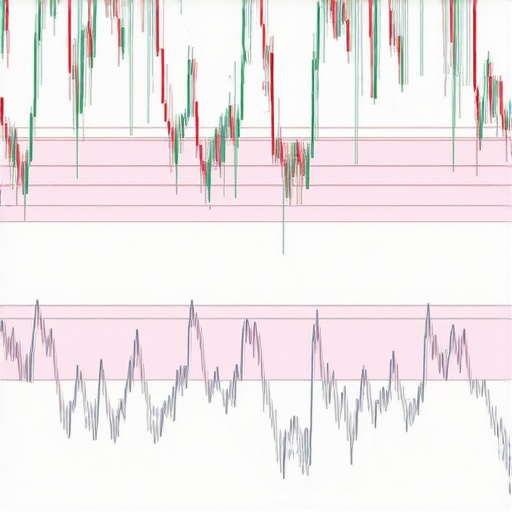
Beyond monetary metrics, correlations with other asset classes—such as equities, real estate, and cryptocurrencies—offer comprehensive insight into inflation’s multifaceted impact. For example, a decoupling of equity markets from inflation expectations, characterized by persistent stock declines amid rising inflation, can propel investors toward gold as a safe haven. Conversely, a synchronized rally across multiple assets in response to inflation data may signal broad-based inflationary acceptance, reducing gold’s safety premium.
Additionally, analyzing international capital flows, like emerging market central banks’ gold reserve adjustments, can shed light on regional inflation perceptions. Countries experiencing higher inflation than developed economies often bolster their gold reserves, a trend that can influence global prices through supply-demand equilibria.
Refined Technical Analysis for Inflation-Driven Entries
Advanced traders leverage sophisticated technical models tailored to inflation cycles. Elliott Wave analysis, for example, can interpret gold’s price movements within the context of macroeconomic sentiment shifts, revealing patterns indicative of inflation-driven momentum. Likewise, volume-weighted oscillators adjusted for inflation expectations can help identify sustainable price breakouts versus transient noise, especially when market sentiment aligns with macroeconomic data.
Implementing such techniques requires careful calibration; integrating macroeconomic models with technical signals fosters a resilient framework. For instance, a confluence of a bullish candlestick pattern, rising inflation expectations, and increasing volume in futures markets can confirm a high-probability buy signal during inflationary surges.
Potential Pitfalls: Navigating Inflation Data Discrepancies
While technical sophistication enhances predictive capacity, discrepancies often arise between reported inflation figures and market realities. Factors such as seasonal adjustments, statistical revisions, or lagging data can distort true inflation signals. Recognizing these distortions is critical; for example, an unrevised CPI report may understate underlying inflation, leading traders to prematurely dismiss gold’s impending rally.
In this vein, examining alternative indicators like commodity price indices or import-export price differentials can provide corroborative evidence, reducing reliance on a single data source. Employing a multi-layered analytical approach accounts for potential reporting biases and enhances decision-making robustness.
Building a Sophisticated Inflation-Gold Nexus Framework
To transcend basic analysis, investors are advised to develop a composite model that synthesizes macroeconomic data, technical signals, and geopolitical considerations. This hybrid framework enables anticipation of inflationary shocks before they manifest in gold prices, affording strategic agility.
For instance, in periods of geopolitical tension exacerbating inflation fears, a decline in the U.S. dollar index combined with rising TIPS breakeevens could markedly elevate gold’s appeal. Incorporating real-time sentiment analysis derived from news analytics and social media trends further refines the model, capturing market psychology variations that often precede quantifiable data.
Such an integrated approach not only enhances predictive accuracy but also equips investors to manage risks proactively, weathering volatility during inflationary turbulence. The evolution of these frameworks underscores the importance of continuous learning—consider advanced courses, expert webinars, and real-world case studies to stay abreast of emerging analytical tools in inflation-sensitive gold trading strategies.
Unmasking the Nuances of Inflation Metrics That Drive Gold’s Technical Outlook
While CPI and PPI are standard inflation barometers, astute investors recognize that trailing indicators often lag behind real-time market dynamics. Measures such as the “Trimmed Mean CPI” and the “Implicit Price Deflator” offer nuanced insights into underlying inflationary pressures, enabling market participants to anticipate gold price movements with greater precision. These metrics, less susceptible to seasonal distortions, can serve as leading signals, alerting traders to potential bullish or bearish shifts before mainstream reports acknowledge them.
Can Anomalous Data Surprises Reconfigure Gold’s Response Patterns?
Unexpected deviations in inflation reports—such as downward revisions amid rising commodity prices—can produce abrupt recalibrations in gold’s trajectory. Market reactions hinge on investor confidence; if anomalies undermine credibility in official data, a trust deficit emerges, intensifying the reliance on alternative indicators like market-based inflation expectations. To navigate such waters, investors should monitor divergences between headline inflation figures and real-world cost pressures, leveraging real-time data feeds and cross-referencing alternative indices such as the Commodity Research Bureau (CRB) Index.
Expert Strategies for Cross-Referencing Inflation Indicators and Gold Derivatives
Seizing competitive advantage requires sophisticated analysis of derivatives linked to inflation expectations, notably inflation swap contracts and gold options volatility. These financial instruments encode market consensus on future inflation, often outperforming conventional reports in predictive capacity. Positioning in gold options—such as straddles during expected inflation peaks—can hedge against volatilities, while analyzing the skewness in swap curves offers clues about systemic inflation worries that precede price spikes.
Are Federal Reserve Communications Signaling Imminent Inflation Turbulence?
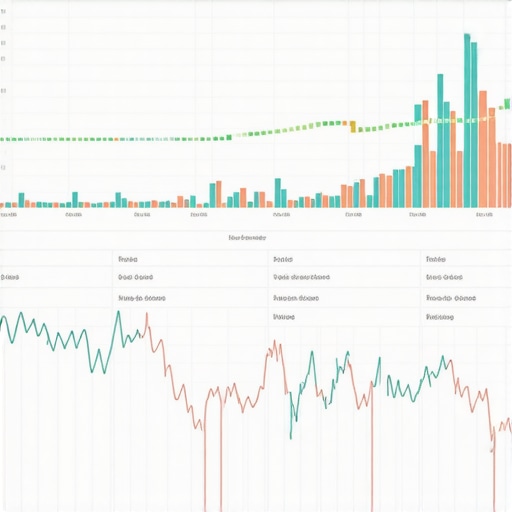
Central bank rhetoric serves as a leading edge indicator, with language shifts often foreshadowing policy pivots. The Federal Reserve’s utterances, expressed through FOMC statements and official transcripts, reveal nuanced stances on inflation control. For instance, subtle cues like the phrase “appropriate tightening” versus “considerable accommodation” can guide investors in aligning strategies. Advanced traders correlate these signals with market-implied probability models, adjusting their gold positions proactively to capitalize on impending inflationary surges or downturns.
Dissecting Global Supply Chain Data to Forecast Inflation Surges and Gold’s Response
Emerging evidence suggests that supply chain metrics—such as container shipping delays, port congestion indices, and raw material shortages—serve as powerful predictors of inflation pressure buildup. A surge in freight costs, for instance, often precedes official inflation reports by weeks, providing a critical window for tactical gold investment adjustments. Integrating these supply-side indicators with macroeconomic data enhances predictive fidelity, especially in volatile geopolitical contexts.
Navigate the Tensions Between Real Yields and Inflation Expectations to Optimize Gold Holdings
Real yields on government bonds are inversely related to gold prices; yet their relevance is heightened amidst evolving inflation expectations. When nominal yields dip below inflation forecasts, the real yield turns negative, amplifying gold’s allure. Sophisticated investors employ dynamic models that incorporate the yield curve’s shape, breakeven inflation rates, and macro policy signals, forming a comprehensive matrix for strategic allocation. Mastering this interplay can mean the difference between capital preservation and missed opportunities during inflation shocks.
Why Advanced Portfolio Diversification Strategies Outperform Conventional Approaches
Moving beyond simple allocation, integrating gold into a multi-asset hedge requires recognizing its role within complex risk premia. Techniques such as risk parity and volatility targeting, informed by inflation cycles, can enhance resilience. For example, allocating a tailored portion of assets to gold during prolonged inflation expectations cushions against equity market downturns, which rarely move in perfect lockstep with inflation indicators. Such multifactor strategies demand a sophisticated understanding of cross-asset correlations, especially during macroeconomic upheavals.
Engaging With Cutting-Edge Analytical Tools for Inflation-Driven Gold Trading
Emerging technologies, including artificial intelligence and machine learning, facilitate the synthesis of vast macroeconomic datasets and technical signals, unlocking predictive patterns previously obscured. Training algorithms on historical inflation shocks and gold price responses enables real-time signal generation, allowing traders to preempt price movements. Combining these insights with sentiment analysis of geopolitical news enhances tactical agility—an essential advantage in the volatile landscape of 2026’s inflation environment.
Expert Insights & Advanced Considerations
Harness the Power of Real-Time Data to Anticipate Market Shifts
Investors who integrate live inflation reports with macroeconomic indicators can position themselves ahead of trends, capitalizing on the inherent lag in official data to gain a competitive edge in gold markets.
Leverage Supply Chain Metrics as Early Inflation Indicators
Tracking shipping delays, raw material shortages, and port congestion offers foresight into upcoming inflation surges, allowing for strategic timing in gold acquisitions before mainstream reports confirm the trend.
Control Your Exposure with Tailored Diversification
Beyond traditional holdings, deploying nuanced asset allocation strategies—such as risk parity incorporating gold—can hedge against inflation volatility and protect long-term purchasing power.
Master Technical Signals in the Context of Macro Dynamics
Advanced traders combine Fibonacci retracements, moving averages, and volume analysis with inflation expectations to refine entry and exit points aligned with macroeconomic cycles.
Identify Red Flags in Inflation Data and Market Rumors
Remain vigilant for anomalies like data revisions or conflicting indicators, which necessitate reliance on alternative metrics such as commodity indices or currency stability measures for accurate market assessment.
Curated Expert Resources
- Federal Reserve FOMC Statements: These communicate monetary policy intentions and can hint at upcoming inflation guidance, crucial for gold investors seeking anticipatory signals.
- World Gold Council Publications: Offer comprehensive insights into global demand trends, central bank activities, and supply-demand fundamentals affecting gold prices amid inflationary environments.
- IMF Working Papers on Inflation Expectations: Provide in-depth analyses on macroeconomic factors influencing asset performance, essential for developing sophisticated investment models.
- Financial Data Platforms (Bloomberg, Reuters): Enable real-time access to macroeconomic indicators, supply chain data, and futures market sentiment critical for timely decision-making.
- Technical Analysis Guides by Experts: Resources specializing in applying Fibonacci, Elliott Wave, and other technical tools within macroeconomic contexts enhance predictive accuracy.
Interpreting the Bigger Picture in Gold Investment Strategies
In navigating the complex interplay of inflation and gold, the key lies in synthesizing macroeconomic signals with technical intelligence. The most sophisticated strategies emerge when one foresees inflationary pressures through supply chain insights and policy rhetoric, then confirms these signals via technical analysis. This layered approach refines timing and risk management, transforming potential volatility into strategic opportunity. For proactive investors, staying engaged with authoritative analyses and continuously refining one’s analytical toolkit isn’t optional—it’s essential. Explore more insights or share your expert perspectives on integrating inflation data into gold strategies by engaging with specialized forums or subscribing to premium research updates, ensuring your approach remains ahead of the curve in 2026.
About the Author
Martin Tremblay
Private Investor | Capital Markets Expert
Martin Tremblay is a distinguished Private Investor and Capital Markets Expert with an extensive background in high-stakes financial advisory and strategic acquisitions. As a key figure at HCI, a premier capital advisory and mergers and acquisitions boutique firm with a presence in Montreal, Toronto, and New York, Martin brings a wealth of cross-border experience to the buyingoldnow.com community. His professional focus centers on identifying undervalued opportunities within established markets and navigating the intricate landscape of capital structures. With years of experience operating at the intersection of capital markets and private equity, Martin offers authoritative insights into the nuances of acquiring legacy assets and businesses. His expertise is grounded in a deep understanding of M&A processes, valuation methodologies, and the strategic deployment of capital. On buyingoldnow.com, he leverages his professional background to provide readers with actionable advice on securing and scaling established businesses for modern success. Martin is dedicated to demystifying the complexities of the investment world and is passionate about helping aspiring investors and entrepreneurs achieve long-term financial growth through informed decision-making.
LinkedIn Profile