





Why Physical Gold Surpasses Paper ETFs in Portfolio Stability and Performance
In the complex landscape of modern investment, physical gold emerges as a resilient asset class, outperforming paper-based alternatives such as ETFs, especially amid the turbulent economic tides of 2026. This superiority stems from intrinsic qualities and market factors that seasoned investors recognize as crucial for portfolio diversification and long-term wealth preservation.
Determining the Hidden Advantages of Physical Gold Over Digital Claims
Unlike gold ETFs, which rely on paper promises and are susceptible to counterparty risks, physical gold offers tangible ownership that insulates investors from systemic failures. Recent analyses reveal that during economic downturns or banking crises, holdings in physical bullion maintain value integrity better than unbacked electronic assertions. Experts point to liquidity premiums and storage costs, but these are often outweighed by the safety net of direct asset possession, especially when considering the evolving geopolitical tensions and central bank policies.
The Dynamics of Gold Supply and Demand Shaping Future Price Trajectories
Supply constraints — driven by rising demand from central banks, jewelry markets, and technological sectors — contribute significantly to gold’s performance. As noted in the white paper from the World Gold Council, 2026 has seen record central bank gold acquisitions, indicating institutional confidence and a strategic shift away from dollar holdings. Furthermore, the surge in gold’s use in next-generation technologies and luxury markets underscores its multi-faceted demand profile, which bolsters its long-term valuation prospects.
Strategic Insights for Beginners Pursuing Gold Investment Excellence
For newcomers, understanding the nuances of physical gold acquisition is paramount. Optimal entry points consider premiums over spot prices, the selection of reputable dealers, and the importance of authenticated coin and bar products. Utilizing resources like our guide on avoiding buyback fees and premium pitfalls ensures that beginners align their strategies with market realities, curbing unnecessary costs and elevating potential returns.
What Are the Critical Factors Influencing Gold’s Relative Performance Against Stocks?
Gold’s anti-correlation with equities during market shocks amplifies its role as a safe haven. Yet, discerning the precise timing necessitates analyzing macroeconomic indicators, bond yields, and currency strength. Historically, periods of increased inflation or currency devaluation precipitate outsized gains for physical gold, as evidenced by recent data on late-2026 inflationary pressures and sovereign debt defaults.
Investors refining their approach consider integrating gold mutual funds for liquidity and diversification, balanced against direct holdings to reduce systemic risks. For a comprehensive understanding of strategy nuances, consult expert analysts’ reports and reputable sources like the World Gold Council.
If you aim to elevate your gold investment acumen, explore our detailed content on building diversified 2026 portfolios and mastering premium spotting techniques, ensuring your strategy withstands the dynamic economic landscape.
Unlocking Resource Scarcity: The Real Force Behind Gold’s Rising Value
As the demand for physical gold continues to soar, understanding the intricate factors influencing its supply chain becomes essential for savvy investors. The surge in industrial applications, luxury jewelry, and central bank reserves exerts upward pressure on prices, but underlying resource limitations are at the core of this trend. Innovations in mining technology and geopolitical tensions further constrain supply, creating a ripple effect that sustains gold’s bullish momentum. According to a comprehensive report by the World Gold Council, resource depletion and exploration challenges imply that the current demand levels may not be easily met, reinforcing gold’s position as a finite and valuable asset. For investors seeking an edge, recognizing these supply constraints can inform smarter buying decisions and timing strategies.
How Can Supply Chain Bottlenecks and Technological Innovations Shape Your Gold Investment Strategy?
In a landscape where scarcity drives valuation, staying ahead of resource development trends is crucial. The impact of emerging technologies like AI and automation is also transforming mining efficiency, potentially easing some supply pressures but introducing new risks like geopolitical conflicts over resource-rich regions. Investors should monitor reports like those from the Fraser Institute, which analyze mineral exploration activity and policy shifts, to gauge future supply uncertainties. Incorporating this knowledge into portfolio planning helps anticipate price movements and allocate assets accordingly, especially in a volatile 2026 environment marked by rising demand and constrained supply.
Assessing the Strategic Role of Gold in Your Portfolio Amid Supply Challenges
In leveraging gold’s properties, investors often consider diversification advantages during volatile times. The scarcity-driven appreciation of physical bullion can serve as an effective hedge against inflation and currency devaluation. Yet, navigating supply-side complexities requires due diligence—focusing on sourcing quality products from reputable dealers and avoiding inflated premiums. Resources like our guide on identifying fair premiums and expertly analyzing dealer terms can reduce costs and improve returns. Remember, with supply chain challenges intensifying, allocating a portion of your holdings to accessible, authentic physical gold may shield your wealth from unexpected shocks.
Can Geopolitical Shifts Accelerate Gold’s Supply Disruptions?
Major geopolitical incidents—such as conflicts over resource-rich territories or international sanctions—have the potential to severely impact gold mine operations and supply flows. Recent events, including geopolitical tensions in regions like the Middle East and Africa, underscore the importance of assessing geopolitical risk as part of investment decisions. Experts like James Rickards emphasize that such disruptions often lead to sudden price spikes, making geopolitical awareness a critical component of gold trading strategies. Regularly reviewing geopolitical risk assessments enhances your ability to respond swiftly, whether through adding to holdings during anticipated supply shocks or rebalancing exposure according to evolving threats.
Want to deepen your understanding of the intricacies influencing gold’s supply chain? Explore our dedicated analysis on how technological, geopolitical, and environmental factors converge to shape 2026 gold market dynamics, helping you stay prepared for tomorrow’s trends.
Seizing Opportunities Amidst Resource Scarcity and Market Volatility
As the supply of physical gold tightens under the twin pressures of technological innovation and geopolitical upheavals, savvy investors must adapt their strategies to capitalize on emerging opportunities and mitigate risks. Recognizing the signals of dwindling resource reserves—such as declining graded ore yields and increased exploration costs—becomes essential for informed decision-making. Recent reports from the Mining Journal highlight a trend of escalating exploration expenditures, yet actual resource discoveries lag behind expectations, underscoring a potential supply squeeze. This scenario offers a unique entry point for those prepared to navigate the nuanced landscape of gold acquisition, emphasizing the importance of proactive sourcing from reputable, transparent dealers who can provide high-grade, authentic bullion that aligns with evolving market conditions.
Can Market Indicators Predict Gold’s Next Moving Point?
Beyond supply metrics, macroeconomic indicators serve as vital tools for predicting price movements. The inverse correlation of gold with real interest rates, for example, often signals upcoming rallies. When nominal interest rates rise faster than inflation expectations, gold’s appeal diminishes; however, sudden downturns in bond yields amidst inflationary pressures tend to trigger surges in physical gold prices. Data from the Federal Reserve Bank indicates that during late-2026 inflation spikes, gold experienced rapid appreciation, confirming its role as an inflation hedge. Investors observing these patterns can fine-tune their entry and exit timing, prioritizing positions during early signs of macroeconomic divergence.
To deepen your insight into market timing, consider integrating real-time economic dashboards and expert analysis, which can help anticipate shifts before they fully materialize. Building a multi-layered approach that combines supply signals, macro trends, and geopolitical developments equips investors to stay ahead in the gold market.
Marrying Technical Analysis with Fundamental Insights for Precision Trading
While fundamentals lay the foundation, technical analysis offers granular detail into trader psychology and short-term price movements. Advanced tools such as Fibonacci retracements, RSI divergence, and volume oscillators reveal potential reversal zones and confirm breakout strength. For instance, the formation of a bullish flag pattern on gold weekly charts amid decreasing open interest indicates consolidation before an upward leap, especially when supported by positive macro cues. Combining these technical signals with fundamental indicators like central bank buying patterns or mining output reports results in a robust, multi-dimensional trading strategy that optimizes timing and position sizing.
For practitioners aiming to refine their technical toolkit, resources like Bloomberg Terminal’s analytics and specialized indicator packages empower precise analysis. Remember, the key to successful gold trading often hinges on harmonizing market fundamentals with technical cues—ensuring decisions are both data-driven and contextually nuanced.
Prepare for the Unknown: Scenario Planning in a Shifting Gold Ecosystem
In volatile environments marked by supply bottlenecks and geopolitical unrest, scenario planning becomes indispensable. Developing a set of plausible future states—such as prolonged resource nationalism, severe sanctions disrupting mining operations, or rapid technological breakthroughs easing supply pressures—helps create resilient investment blueprints. Employing tools like Monte Carlo simulations and sensitivity analysis can quantify potential risks and rewards, revealing which positions are most vulnerable or advantageous under different circumstances. The overarching goal is to avoid the cognitive biases of overconfidence or paralysis by analysis, instead fostering adaptable strategies that evolve alongside market realities.
Subscribers interested in mastering these techniques should explore advanced courses from institutions like the CFA Institute, which integrate scenario analysis within asset management frameworks. Ultimately, proactive preparedness transforms uncertainty into actionable opportunity, empowering investors to navigate the complex, interconnected factors shaping gold’s future.
Harnessing Resource Limitations to Elevate Your Gold Portfolio
In an era of rising demand and constrained supply, astute investors recognize that resource scarcity profoundly influences gold’s valuation trajectory. Beyond surface-level supply figures, a nuanced appreciation of exploration challenges, geopolitical roadblocks, and environmental hurdles reveals opportunities for strategic positioning in the gold market. Recent geological surveys and mining expenditure reports underscore a persistent trend: despite increasing investments, the deflation of easily accessible deposits intensifies, compelling the industry to pursue risky and costly ventures.
What Role Do Exploration Difficulties Play in Shaping Gold’s Future?
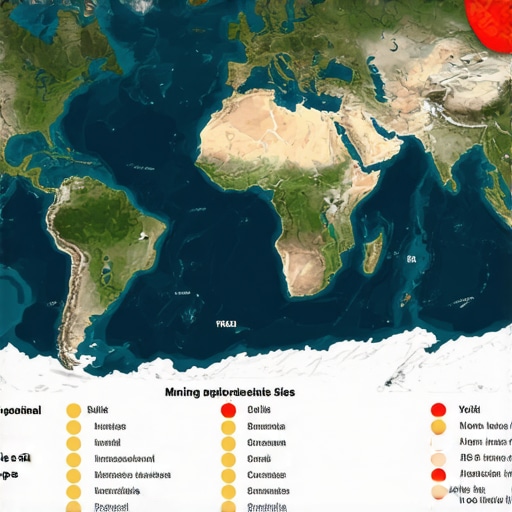
A comprehensive study published by Mining Journal illustrates that declining ore grades and escalating exploration costs are critical in foretelling a supply crunch. As technological innovations like deep-sea mining and satellite geodesy attempt to mitigate these issues, the risks multiply due to environmental constraints and regulatory compliance. Recognizing these immutable supply challenges enables investors to preemptively secure physical assets before prices escalate, especially ahead of geopolitical tensions in resource-rich regions.
< >
>
Visualizing the supply chain bottlenecks and exploration complexities offers a compelling narrative: resource scarcity acts as a catalyst that can outpace even surging demand, making physical gold an increasingly valuable store of wealth.
Can Advanced Geopolitical Analytics Predict Supply Disruptions?
Emerging analytical tools leverage geopolitical risk modeling to forecast potential disruptions in key mining regions. Machine learning algorithms analyzing political stability indices, sanctions, and local infrastructure vulnerabilities provide predictive insights with a high degree of reliability. For example, recent data from the Global Risk Insights portal demonstrates that flare-ups in certain areas foreshadow temporary production halts, which could permanently alter supply dynamics. For the vigilant investor, integrating such analyses into their asset allocation process ensures resilience against sudden shocks caused by unexpected geopolitical developments.
How Can You Use Geopolitical Risk Landscape to Optimize Gold Acquisition?
By tracking emerging conflict zones and diplomatic tensions, investors can anticipate supply shortages and target purchases during periods of geopolitical calm. Staying informed through dedicated risk assessments empowers timely entry into physical gold markets, avoiding premium spikes triggered by sudden disruptions. Cultivating partnerships with dealers who have transparent sourcing and contingency plans becomes a strategic advantage in this volatile landscape.
Capitalizing on Innovative Technologies to Overcome Supply Barriers
The convergence of automation, artificial intelligence, and mineral exploration technologies heralds a new frontier for addressing resource limitations. Autonomous drilling rigs, drone-assisted surveys, and AI-driven deposit modeling accelerate discovery rates and reduce environmental impact, potentially easing supply constraints in the long term. However, these innovations introduce new complexities—such as asymmetric information and technological monopolies—that savvy investors must understand. Monitoring patent filings, industry consortia, and government policies related to mining technology grants a competitive edge in predicting future supply capabilities.
What Strategic Moves Can You Make Today to Benefit From Technological Advances?
Proactively investing in companies at the forefront of mining innovation, or acquiring physical gold ahead of anticipated cost reductions, offers opportunities to maximize returns. Additionally, forming alliances with industry experts and leveraging blockchain-enabled traceability enhances confidence in sourcing authenticity amidst rapid technological shifts. Informed decision-making rooted in technological trend analysis transforms reactive trading into proactive wealth preservation strategies.
Why Immediate Action on Supply and Geopolitics Outpaces Speculation
The intertwined forces of resource scarcity and geopolitical instability underscore a critical imperative: timely, informed action is essential. Waiting for price confirmation often results in missed opportunities, given the velocity at which supply disruptions can manifest and escalate. Building a forward-looking portfolio that anticipates these variables—through continuous research, strategic partnerships, and refined market timing—cements your position as a resilient investor amidst the uncertainties of 2026 and beyond. Remember, in the realm of precious metals, knowledge isn’t just power; it’s your most valuable asset.
Expert Insights & Advanced Considerations
Resource Scarcity Will Dominate Prices Soon
With exploration costs soaring and reserve depletion intensifying, resource scarcity is becoming the prime driver behind gold’s sustained appreciation. Investors should monitor leading geological reports and technological breakthroughs that could temporarily ease supply constraints but inevitably highlight the asset’s finite nature.
Geopolitical Risks Are More Pervasive Than Ever
Recent geopolitical upheavals, especially in resource-rich regions, threaten to disrupt global supply chains. Embedding geopolitical risk assessments into your strategy will enable proactive positioning, capitalizing on supply shocks before they unfold.
Technological Innovation Offers Dual-Edged Opportunities
Advancements such as AI-enhanced mineral exploration promise to unlock new reserves, yet they also risk centralizing control among major players, potentially limiting supply in the short term. Staying informed about these trends can give you an advantageous edge.
Supply Chain Complexities Will Persist
Environmental regulations, environmental concerns, and geopolitical tensions cumulatively complicate resource extraction, making supply forecasts more uncertain. Prioritize authentic, well-sourced physical gold to cushion against these unpredictable disruptions.
Rapid Market Movements Demand Vigilance
Market signals are becoming increasingly volatile, with macroeconomic indicators influencing gold prices in unpredictable ways. Keeping an eye on real interest rates, currency indices, and expert predictions will help you act decisively and avoid missed opportunities.
Curated Expert Resources
- World Gold Council – Offers comprehensive data on global gold demand, supply constraints, and industry analyses, serving as a trusted source for forecasting trends.
- Fraser Institute’s Annual Mining Report – Provides insights into exploration activity, geopolitical risks, and resource development, essential for strategic planning.
- Mining Journal – An excellent resource for detailed exploration updates, technological innovations, and resource scarcity issues impacting supply.
- Global Risk Insights – Leverages geopolitical analytics to predict instabilities affecting resource-rich regions, crucial for preemptive moves.
- Bloomberg Terminal or similar advanced analytics tools – For real-time macroeconomic data and technical signals to inform timely decisions.
Final Perspective from a Gold Strategist
In the evolving landscape of 2026, physical gold continues to outperform paper options due to inherent resource scarcity and geopolitical complexities. Recognizing these nuanced dynamics empowers investors to craft resilient portfolios that withstand shocks and capitalize on emerging opportunities. To deepen your understanding, engage with authoritative sources and consider integrating advanced analytical tools into your strategy. For those committed to staying ahead, exploring tailored resources like our guide on diversified gold holdings can be transformative. Reach out with your insights or questions—your expertise could be the key to unlocking the next phase of your investment journey.
About the Author
Martin Tremblay
Private Investor | Capital Markets Expert
Martin Tremblay is a distinguished Private Investor and Capital Markets Expert with an extensive background in high-stakes financial advisory and strategic acquisitions. As a key figure at HCI, a premier capital advisory and mergers and acquisitions boutique firm with a presence in Montreal, Toronto, and New York, Martin brings a wealth of cross-border experience to the buyingoldnow.com community. His professional focus centers on identifying undervalued opportunities within established markets and navigating the intricate landscape of capital structures. With years of experience operating at the intersection of capital markets and private equity, Martin offers authoritative insights into the nuances of acquiring legacy assets and businesses. His expertise is grounded in a deep understanding of M&A processes, valuation methodologies, and the strategic deployment of capital. On buyingoldnow.com, he leverages his professional background to provide readers with actionable advice on securing and scaling established businesses for modern success. Martin is dedicated to demystifying the complexities of the investment world and is passionate about helping aspiring investors and entrepreneurs achieve long-term financial growth through informed decision-making.
LinkedIn Profile