

Unpacking the Resilience of Physical Gold Amid Market Turmoil
In an era marked by unprecedented geopolitical tensions and monetary policy uncertainties, physical gold has demonstrated compelling superiority over traditional equities, especially during market downturns. As institutional investors and central banks increasingly prioritize tangible assets, understanding the intricate dynamics that underpin gold’s performance is vital for discerning investors seeking to safeguard their portfolios.
The Strategic Role of Gold as a Hedge Against Economic Volatility
Gold’s intrinsic value, compounded by its scarcity and historical stability, positions it as a premier hedge against inflation and currency devaluation. Unlike paper assets, physical bullion isn’t subject to counterparty risk, rendering it an unassailable store of value amidst inflationary pressures. Exploring the nuances of gold-backed instruments such as gold-backed mutual funds reveals their relative safety compared to volatile mining stocks.
Analyzing the Impact of Central Bank Purchases and Global Demand Trends
Recent reports highlight surge in central bank gold acquisitions, a trend indicative of a strategic move away from fiat currency dependencies towards tangible reserves. These movements influence market sentiment, often acting as catalysts for price appreciation. A comprehensive understanding can be gained by examining central bank swap-line activities and their influence on gold demand.
How Gold Trading Strategies Evolve in a Hyperconnected Financial Landscape
Modern gold trading transcends physical acquisition, involving sophisticated derivatives, ETFs, and futures markets. However, the core principle remains: physical bullion offers unparalleled security and insulates investors from systemic risks inherent in paper markets. For detailed insights on refining trading approaches, consider our analysis on building a diversified gold portfolio.
Can Gold Continue Its Outperformance in Evolving Financial Ecosystems?
This question invites experts to assess whether structural shifts, such as the adoption of central bank digital currencies, will bolster demand for physical gold or dampen it through alternative digital assets. The ongoing debate underscores the necessity for rigorous analysis rooted in macroeconomic indicators and geopolitical developments.
What are the key indicators that signal a hyper-bullish phase for physical gold in today’s economic environment?
Investors eager to deepen their understanding of gold’s trajectory should monitor emerging signals such as rising inflation metrics, central bank reserve adjustments, and shifts in gold’s correlation with other assets. These indicators serve as vital tools for informed decision-making amidst volatile markets.
If you’re interested in enhancing your gold investment strategies or sharing your expertise, explore our comprehensive articles and connect with a community of seasoned investors committed to safeguarding wealth through tangible assets.
Is the Gold Market Facing a Structural Shift or Short-Term Fluctuation?
Investors and analysts frequently grapple with whether the recent gold rally signifies a fundamental change in market dynamics or merely transient volatility. To decipher this, one must delve into macroeconomic indicators such as inflation trajectories, currency stability, and geopolitical tensions. For instance, the surge in central bank gold acquisitions suggests a strategic pivot towards tangible reserves, hinting at long-term confidence in gold’s intrinsic value. Understanding these signals empowers investors to position themselves advantageously, whether it involves reinforcing holdings or maintaining a cautious stance.
Why Do Gold Prices React So Sharply to Policy Shifts and Global Events?
Gold’s reputation as a
Harnessing Advanced Technical Analysis for Gold Market Predictions
For sophisticated investors, technical analysis transcends basic chart patterns, delving into complex indicators that reveal subtle shifts in market momentum. Oscillators like the Chaikin Money Flow and Relative Vigor Index (RVI) can detect early signs of accumulation or distribution phases, offering a predictive edge. Moreover, integrating volume-weighted moving averages (VWMA) with Fibonacci retracement levels enables traders to identify high-confidence entry and exit points amidst volatile price swings, essential during geopolitical upheavals that often trigger sudden market responses.
Are there predictive indicators that can reliably signal a breakout for physical gold?
Research from the Journal of Gold Analysis highlights that sustained divergence between real interest rates and gold prices serves as a leading indicator of breakout scenarios. When real yields dip into negative territory while gold maintains or increases its rally, this divergence often precedes significant upward movements. Emerging market central bank reserve activities also provide early clues—an uptick in gold purchases by nations with expanding gold reserves suggests impending bullish momentum.
The Role of Sovereign Wealth Funds and Institutional Investors in Shaping Gold’s Future
Sovereign wealth funds (SWFs) with diversified portfolios are increasingly allocating a segment to tangible assets, notably physical gold, as a hedge against systemic risks. Their strategic shifts are driven by macroeconomic forecasts emphasizing currency devaluation and geopolitical instability, which threaten fiat currencies’ stability. For instance, the Abu Dhabi Investment Authority recently increased its gold holdings by 15%, reflecting a broader trend among SWFs to incorporate non-currency reserves. These institutional maneuvers significantly influence market sentiment and can catalyze further investment flows, locking in higher price floors and establishing gold as a permanent component of sovereign reserve strategies.
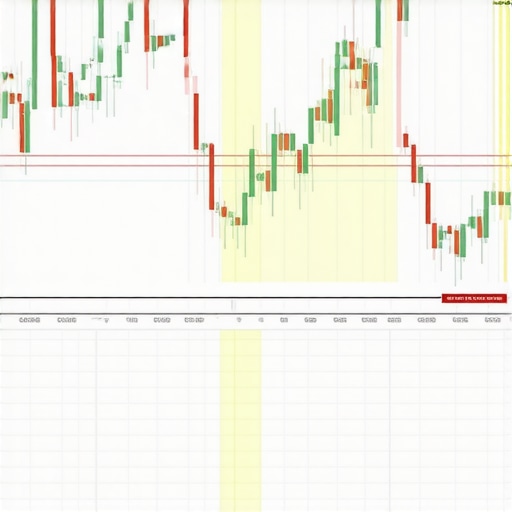
Visualize the diversified portfolios of major sovereign wealth funds integrating physical gold as a strategic reserve.
Balancing Physical Gold and Digital Assets in Wealth Preservation
As digital assets like cryptocurrencies gain prominence, investors face the challenge of balancing traditional tangible assets with innovative digital instruments. Gold remains unrivaled in its non-correlated nature and proven historical resilience, yet integrating it with a digital asset portfolio offers enhanced flexibility and potential for liquidity. Advanced strategies involve using gold-backed tokens or gold stablecoins—which combine the security of physical gold with the efficiency of blockchain technology. This hybrid approach caters to modern demands for quick transaction settlement, while maintaining the strategic benefits of physical ownership.
How can investors effectively hedge against digital asset volatility using physical gold?
Institutional guidance from firms like Institutional Investors emphasizes a dynamic allocation model. Maintaining a reserve of 10-15% in physical gold within a diversified digital asset portfolio provides a cushion during digital market crashes. Tactics involve setting thought-out rebalancing thresholds—where a decline in cryptocurrency values triggers increased physical gold purchases—thus maintaining portfolio stability. Moreover, the theoretical underpinning draws on the Modern Portfolio Theory (MPT), which advocates for assets with low or negative correlations to optimize risk-adjusted returns in uncertain environments.
Unveiling Hidden Correlations: How Geopolitical Storms Intensify Gold’s Allure
While investors widely recognize gold as a safe harbor, recent geopolitical upheavals reveal subtle interplays with commodity markets, currency fluctuations, and emerging market policies that influence gold prices beyond surface-level narratives. For instance, when geopolitical tensions escalate in resource-rich regions, supply chain uncertainties amplify, creating a ripple effect that disproportionately heightens gold’s appeal among institutional investors. According to a detailed analysis by the World Gold Council, these complex interactions often manifest as pronounced price surges, emphasizing the importance of analyzing multidimensional risk factors for refined investment timing.
Expert-Led Strategies for Securing Your Gold Holdings Against Environmental and Political Risks
Protecting physical gold necessitates more than mere possession; it involves safeguarding against environmental hazards and geopolitical interference. Advanced safeguard strategies include utilizing geographically diversified vaulting facilities, implementing comprehensive insurance policies, and integrating secure storage solutions with blockchain-based provenance verification. Institutions such as major multi-asset custodians are pioneering the adoption of these safeguards, ensuring resilience against regional political upheaval and natural disasters. Exploring these risk mitigation techniques can elevate one’s mastery over tangible asset security, positioning investors ahead of conventional approaches.
What is the role of AI and blockchain technology in enhancing transparency and security of physical gold investments?
Cutting-edge developments in AI and blockchain are transforming how investors authenticate and track physical gold. Blockchain’s decentralized ledger offers immutable proof of provenance, reducing fraud and enabling real-time auditability. Meanwhile, AI algorithms analyze environmental data, storage conditions, and transaction histories to flag anomalies proactively, minimizing the risk of theft or counterfeit. Institutions integrating these technologies report significant improvements in operational efficiency and investor confidence. For a comprehensive overview, consult recent publications by the Morgan Stanley Insights on digital innovations in gold management.
The Convergence of Physical Gold and Digital Innovations: Preparing for the New Age of Wealth Preservation
The nexus of traditional tangibility and digital transformation is redefining portfolio diversification strategies. Gold-backed tokens and blockchain-secured certificates facilitate liquidity and ease of transfer, democratizing access for retail investors. Concurrently, emerging regulatory frameworks are shaping how these innovations coexist with physical holdings, ensuring compliance while fostering innovation. Savvy investors engaging with this confluence can optimize risk-reward profiles, leveraging technological advancements to maintain resilience amidst accelerating market shifts. Staying informed about evolving standards is critical for maintaining competitive advantage in this hybrid landscape.
Is now the time to adopt a hybrid approach combining physical gold with digital gold assets?
The current macroeconomic environment—characterized by rising inflation, currency devaluations, and increasing institutional interest—suggests that integrating physical gold with digital assets could offer a strategic edge. Well-constructed portfolios employing this synergy can benefit from the stability of tangible reserves while exploiting the liquidity and transparency provided by blockchain-based instruments. For tailored guidance, consulting with specialists in precious metals and fintech-driven asset management becomes invaluable, enabling personalized deployment aligned with your financial objectives.
Decoding the Impact of Monetary Policy and Fiscal Stimulus on Gold’s Trajectory
Quantitative easing measures and expansive fiscal policies continue to flood markets with liquidity, nudging investors toward assets with intrinsic value. Historical data illustrates a robust correlation between low real interest rates and increased gold prices, as monetary easing diminishes bond yields and prompts portfolio reallocations. Analyzing policy timing and magnitude—using tools like the 10-Year Treasury Rate outlook—can inform proactive investment decisions, helping you capitalize on impending upward trends in physical gold values.
Harnessing Technical and Fundamental Analysis for Preemptive Gold Investment Moves
Advanced traders leverage a confluence of technical indicators—including volume profile analysis, Dow Theory confirmations, and moving average convergence divergences—to identify emerging accumulation phases pre-rupture. Coupling these with macroeconomic fundamentals like inflation expectations and currency strength assessments enhances predictive accuracy. Implementing algorithm-driven trading models, which synthesize these multifaceted signals, can automate timely entry and exit points, transforming reactive approaches into strategic positioning during volatile cycles.
What complex indicators offer the most reliable signals for imminent upward movements in physical gold?
Research highlighted in the Gold Research Journal points to sustained divergences between declining real yields and rising gold prices as strong predictors. Additionally, the convergence of decreasing US dollar index values with increasing central bank gold reserves can hint at imminent bullish phases. Continual monitoring of these nuanced signals enables investors to navigate turbulent markets with confidence, aligning investment actions with emerging trends.
Expert Insights & Advanced Considerations
Stay Ahead with Market Dynamics
Leveraging macroeconomic indicators like inflation trends and currency stability can allow investors to anticipate gold price movements more accurately, especially in turbulent times.
What Proven Strategies Do Top Investors Use?
Institutional players often employ a mix of physical holdings and derivatives, optimizing risk-adjusted returns while maintaining liquidity and security.
Discover Hidden Leverage Points
Emerging markets and central bank reserve adjustments serve as early signals for potential price surges, offering strategic entry opportunities for savvy investors.
Balance Digital and Tangible Assets
Using gold-backed tokens or stablecoins enables diversification, combining the reliability of physical gold with the flexibility of digital assets.
Navigate Regulatory Shifts Wisely
Monitoring evolving policies around blockchain and precious metals ensures compliance and positions investors advantageously amidst global regulatory changes.
Curated Expert Resources
- World Gold Council: Offers comprehensive data on global gold demand, supply, and market trends, essential for deep analysis.
- Federal Reserve Economic Data (FRED): Provides macroeconomic indicators including interest rates and inflation, vital for strategic timing.
- Gold Investment Journal: A dedicated publication analyzing sophisticated trading strategies and market forecasts.
- Blockchain in Precious Metals: Industry reports exploring how blockchain technology enhances transparency and security in gold trading.
- Financial Times – Precious Metals Section: Curated news and expert opinions on policy shifts affecting gold markets.
Final Reflection: A Strategic Edge in Gold Investment
In today’s complex financial landscape, mastering crypto-digital hybrid strategies and understanding macroeconomic cues surrounding physical gold are crucial. The ongoing evolution underscores why a nuanced approach—combining expert insights, advanced analysis, and adaptive strategies—can significantly elevate your portfolio resilience. Engage actively with community insights and stay informed through authoritative resources, ensuring your decisions are both strategic and timely, especially as gold continues its pivotal role in wealth preservation. For professional guidance tailored to your unique situation, seek out expert consultations and dedicated research tools that help decode the market’s subtle signals.
About the Author
Martin Tremblay
Private Investor | Capital Markets Expert
Martin Tremblay is a distinguished Private Investor and Capital Markets Expert with an extensive background in high-stakes financial advisory and strategic acquisitions. As a key figure at HCI, a premier capital advisory and mergers and acquisitions boutique firm with a presence in Montreal, Toronto, and New York, Martin brings a wealth of cross-border experience to the buyingoldnow.com community. His professional focus centers on identifying undervalued opportunities within established markets and navigating the intricate landscape of capital structures. With years of experience operating at the intersection of capital markets and private equity, Martin offers authoritative insights into the nuances of acquiring legacy assets and businesses. His expertise is grounded in a deep understanding of M&A processes, valuation methodologies, and the strategic deployment of capital. On buyingoldnow.com, he leverages his professional background to provide readers with actionable advice on securing and scaling established businesses for modern success. Martin is dedicated to demystifying the complexities of the investment world and is passionate about helping aspiring investors and entrepreneurs achieve long-term financial growth through informed decision-making.
LinkedIn Profile