

Maximizing Liquidity in Gold Investment: The Strategic Edge of ETFs over Physical Bullion
In the complex landscape of precious metals, Exchange-Traded Funds (ETFs) have become the preferred instruments for traders seeking immediate liquidity and flexibility, especially during volatile market phases. While physical gold remains the cornerstone of long-term wealth preservation, understanding the nuanced advantages of gold ETFs in the realm of liquid trading is crucial for sophisticated investors aiming to optimize portfolio responsiveness.
The Intricacies of Gold Liquidity: Market Dynamics and Asset Flexibility
Gold ETFs, such as SPDR Gold Shares (GLD), are designed to mirror the spot price of gold, offering real-time trading capabilities on major exchanges. This structure allows investors to enter or exit positions instantaneously, contrasting sharply with the logistical and settlement delays inherent in physical gold transactions. The immediacy of ETF liquidity is further enhanced by their high trading volumes and tight bid-ask spreads, making them highly efficient for short-term tactical moves rather than passive wealth storage.
Beyond Convenience: The Analytical Rationale for ETF Superiority in Liquid Markets
From a microstructure perspective, gold ETFs benefit from seamless settlement processes and simplified custody mechanisms, reducing counterparty risks tied to physical possession. According to a comprehensive analysis by the World Gold Council, market participants favor ETFs during periods of heightened volatility due to their ability to swiftly rebalance exposure in response to geopolitical or macroeconomic shocks. Moreover, the transparency and regu-lated trading environment of ETFs facilitate more refined technical and fundamental strategies, enabling traders to execute multi-dimensional analyses that are impractical with physical gold.
Physical Gold Investment: The Limitations in High-Volume Trading Contexts
Contrarily, physical gold markets, though intrinsic for diversifying and hedging long-term holdings, confront significant logistical hurdles in rapid liquidation. Asset conversion requires secure transportation, escrow arrangements, and potential premium costs, which cumulatively hinder real-time operational agility. As a result, physical gold serves better as a strategic reserve rather than a vehicle for tactical, liquid trading maneuvers.
What are the hidden costs of relying solely on physical gold for short-term trading objectives?
Investors must consider premiums, storage, insurance, and potential difficulties in quick liquidation when anchoring their strategies exclusively on physical gold. Some market participants underestimate these frictions, which can erode gains and increase liabilities during rapid market shifts.
Consequently, a balanced approach involving gold ETFs for liquidity and physical gold for preservation aligns with a comprehensive risk management strategy. For advanced insights into optimizing physical gold holdings, explore our detailed analysis on why physical bullion outperformed major stock indexes.
Finally, recognizing the role of central bank acquisitions, which often favor physical gold holdings as reserve assets, provides context for the evolving market dynamics. Recent reports, such as those in the analytical review of central bank buying patterns, highlight the strategic allocation preferences that influence liquidity and price stability.
As market complexity deepens, leveraging the technical advantages of gold ETFs while maintaining core physical holdings becomes an increasingly vital component of sophisticated investment strategies. Emphasizing both means understanding the intrinsic liquidity contrasts and operational efficiencies inherent in each approach.
The Hidden Pitfalls of Trading Gold ETFs for Short-Term Gains
While gold ETFs like GLD offer unparalleled liquidity and flexibility, relying solely on these financial instruments can introduce significant hidden costs that may erode actual returns. Transaction fees, bid-ask spreads, and the impact of market timing errors can cumulatively diminish the purported advantages of quick trading. Moreover, during sudden market disruptions, liquidity can dry up, and exit strategies may become more complicated, especially if major traders withdraw en masse. For example, a spike in market volatility might cause slippage or forced liquidations, leaving traders with less favorable prices than anticipated.
Decoding the Liquidity-Physical Gold Paradox: Strategy and Practicality
Despite its logistical challenges, physical gold retains a unique edge during systemic crises. Its tangible nature ensures protection from counterparty risks that ETFs inherently carry—such as fund insolvencies or regulatory crackdowns. Additionally, physical gold can be stored discreetly, avoiding the potential for government intervention or negative fund liquidity events. A nuanced approach suggests maintaining a core allocation of physical bullion as a time-tested hedge, complemented by ETF positions that capitalize on short-term trading opportunities. This dual strategy leverages the strength of each asset class while mitigating their respective limitations.
The Ultimate Gold Trading Toolbox: Advanced Techniques for Timed Entry and Exit
Incorporating technical indicators like moving averages, RSI, and Fibonacci retracements can significantly improve tactical trading in gold ETFs. One approach involves using the 200-day moving average as a dynamic support level; crossing below may signal a temporary exit point, while a bounce above could suggest re-entry. [^1] Combining these signals with macroeconomic assessments—such as interest rate trends or currency fluctuations—can create a robust framework for decision-making. Additionally, understanding the \
Unlocking the Power of Leverage in Gold ETF Trading
Advanced traders often leverage margin facilities to amplify their exposure to gold ETFs, enabling larger position sizes with a relatively smaller capital outlay. This technique, while potent, necessitates a profound understanding of leverage risks, including margin calls and amplified volatility, which can erode gains if not managed meticulously. Institutions frequently employ margin when executing tactical trades aligned with macroeconomic data releases or geopolitical upheavals, capitalizing on short-term price swings to optimize portfolio performance.
Expert Strategies for Timing Entry and Exit in Liquid Gold Markets
Those seeking to refine their tactical approach should integrate multi-timeframe analysis, combining daily and intraday charts with macroeconomic indicators such as bond yields and currency indices. Such layered analysis helps identify optimal entry points—like bullish divergences in RSI or MACD crossovers—while alerting traders to impending reversals. For instance, deploying algorithmic models that parse tick-by-tick data can provide a competitive edge, executing trades within milliseconds to capitalize on fleeting market inefficiencies.

Visualize complex trading algorithms applied to gold ETF markets with a dynamic data feed visualization, highlighting key decision points based on indicator crossovers and order book depth.
Regulatory Considerations Impacting Liquidity and Trading Strategies
Investors and institutions must remain vigilant regarding evolving regulatory landscapes, which can influence ETF liquidity. For example, shifts in short-selling restrictions or changes in margin requirements can suddenly alter trading dynamics, creating both challenges and opportunities. The Securities and Exchange Commission (SEC) periodically updates rules affecting ETF operations; staying current with these updates ensures compliance and strategic agility. Additionally, cross-border regulatory developments, such as European MiFID II or Asian market reforms, may impact ETF accessibility and trading hours, necessitating adaptive strategies that incorporate geographic considerations.
Nuanced Risks of Over-Reliance on Liquid Instruments
Despite their liquidity advantages, ETFs are not immune to systemic risk factors. Market disruptions, such as flash crashes or large-scale fund redemptions, can temporarily impair liquidity, leading to widening bid-ask spreads and slippage. Furthermore, the proliferation of passive ETF strategies may cause herding behavior during volatile episodes, exacerbating price swings. An astute investor maintains a diversified approach, balancing ETF trading with physical holdings and derivative instruments like options, to hedge against these systemic vulnerabilities and preserve capital integrity.
The Future of Gold Liquidity: Emerging Technologies and Market Evolution
Looking ahead, innovations such as blockchain-based gold ownership and tokenized assets promise to revolutionize liquidity paradigms by facilitating instantaneous settlement and fractionalized holdings. For example, platforms like Paxos Gold (PAXG) enable digital ownership of physical gold, combining the security of physical reserves with the flexibility of digital assets. As these technologies mature, traders and investors will gain unprecedented access to liquid, transparent, and secure gold markets, enabling more sophisticated and responsive trading strategies. Staying abreast of these developments requires continuous education and engagement with industry pioneers and regulatory bodies.
If you’re eager to deepen your mastery of gold liquidity strategies and explore cutting-edge trading techniques, consider consulting with a seasoned commodity analyst or subscribing to specialized financial advisories focused on precious metals markets. Advanced insights can make the difference between reactive trading and strategic dominance in today’s complex financial ecosystem. Discover more about future market innovations in gold trading here.
Deciphering the Hidden Layers of Gold Market Liquidity
While traditional analyses emphasize the superficial liquidity differences between physical gold and ETFs, an expert-level understanding demands an exploration into market microstructure nuances, including order book dynamics, dark pools, and high-frequency trading impacts. Recognizing these concealed factors enables traders to anticipate liquidity gaps and exploit arbitrage opportunities that are often invisible to retail investors.
How Can Proprietary Algorithms Transform Gold Liquidity Navigation?
Leading quant firms leverage sophisticated algorithms that analyze real-time order flow, depth-queue imbalances, and pre-trade indicators to predict short-term liquidity shifts with remarkable accuracy. Integrating machine learning models trained on historical market anomalies allows for dynamic scaling of positions and timing optimization. Employing such technology grants a competitive advantage by preemptively identifying liquidity droughts during geopolitical stress or market-wide sell-offs.
What technical indicators best complement high-frequency liquidity assessments?
Combining order book snapshots with metrics like VWAP deviations, bid-ask spread widening, and time-weighted average price (TWAP) fluctuations enhances the precision of entry and exit points. Advanced traders utilize co-integration tests and principal component analysis (PCA) on multi-asset classes—such as gold, currencies, and equities—to gauge systemic liquidity stress and position accordingly.
Furthermore, integrating these technical insights with macroeconomic data—interest rate trajectories, inflation expectations, and currency movements—creates a multi-layered strategy robust against sudden liquidity shocks. High-fidelity execution platforms equipped with direct market access (DMA) are essential for operationalizing these techniques without slippage or latency-induced errors.
Impacts of Regulatory Shifts on the Liquidity Landscape
In-depth comprehension of evolving regulatory environments reveals how policy changes—such as modifications to short-selling rules, redemption gate adjustments in ETFs, or custody rule reforms—can induce liquidity volatility. For instance, the European Market Infrastructure Regulation (EMIR) and SEC’s proposed amendments can alter collateral requirements or settlement procedures, influencing trader behavior and market resilience. Staying ahead requires continuous monitoring of these policy landscapes and deploying adaptive trading algorithms that recalibrate thresholds in real time.
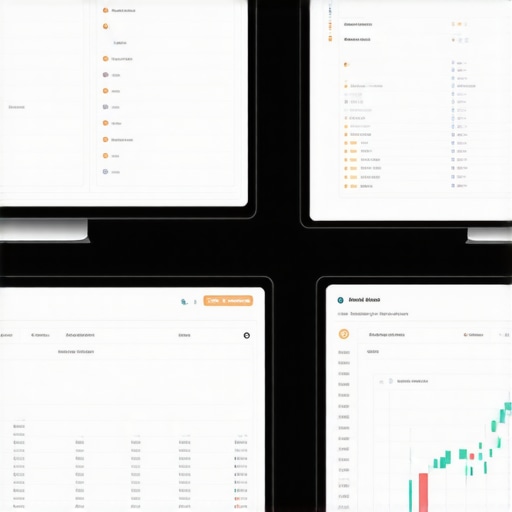
Diagram illustrating the interplay between regulatory frameworks and market liquidity metrics, showing potential scenarios of liquidity droughts and surges in gold trading venues.
Synergizing Physical Gold and ETF Holdings for Resilient Liquidity
Fortified portfolio strategies involve a nuanced balancing act—maintaining a core physical gold reserve for systemic stability while exploiting ETFs for tactical liquidity maneuvers. During periods of market stress, physical gold acts as a sanctuarial asset immune to counterparty risks, whereas ETFs provide the agility to capitalize on short-term price movements. This dual approach demands an intricate understanding of cross-asset correlations, storage logistics, and the velocity of physical gold transfers under duress.
Proprietary Techniques for Accelerated Gold Positioning
Employing algorithmic execution systems that utilize real-time signals from liquidity providers and inter-market arbitrage channels allows traders to establish or unwind large positions with minimal market impact. Techniques such as iceberg orders, dark pool crossings, and latency-arbitrage algorithms minimize footprint while maximizing fill rates. Combining these with predictive analytics based on macroeconomic indicators enhances the timeliness and profitability of tactical trades.
Emerging Technologies Reshaping the Liquidity Paradigm
The advent of blockchain-backed tokenized gold introduces unprecedented levels of liquidity, transparency, and fractional ownership, drastically reducing settlement times and operational costs. Platforms like Paxos Gold are pioneering this frontier, enabling instant settlement across global markets—effectively dissolving traditional barriers associated with physical gold transfers. As regulatory clarity and technological infrastructure mature, these innovations will redefine liquidity standards, demanding that traders adapt to novel digital ecosystems with sophisticated analytical tools.
Engaging with these cutting-edge developments provides institutional and sophisticated retail investors the opportunity to stay at the forefront of a rapidly transforming market landscape. To deepen your expertise and explore tailored strategies aligned with these innovations, consult industry-leading resource portals or collaborate with specialized market technologists dedicated to precious metals.
,
Expert Insights & Advanced Considerations
Leverage Market Microstructure for Superior Timing
Understanding order book dynamics and high-frequency trading patterns can give traders a distinct edge in timing gold ETF entries and exits, especially during volatile periods, enhancing portfolio resilience.
Anticipate Regulatory Movements to Safeguard Liquidity
Keeping abreast of evolving policies like SEC regulations or cross-border reforms allows investors to adapt swiftly, minimizing risks associated with sudden liquidity shocks in precious metals markets.
Integrate Digital Innovations for Unparalleled Liquidity
Emerging technologies such as blockchain-backed tokenized gold are transforming liquidity paradigms, offering rapid settlement and fractional ownership that align with sophisticated trading needs.
Curated Expert Resources
- World Gold Council Reports: Provides in-depth analysis of market microstructure and investment trends, essential for high-level traders.
- SEC and Regulatory Agencies Publications: Offer timely updates on policy changes affecting ETF trading and liquidity.
- Blockchain Platforms like Paxos and PAXG: Showcase technological advancements in digital gold and its liquidity benefits.
- Academic Journals on Market Structure: Deep dives into order flow analysis and high-frequency trading applications in commodities markets.
Final Expert Perspective
In the realm of physical gold investment and trading, a mastery of liquidity dynamics and strategic innovation elevates your approach from reactive to proactive. The convergence of microstructure insights, regulatory awareness, and technological advances defines today’s most resilient and responsive gold strategies. Engaging deeply with these advanced techniques ensures your position remains formidable amidst market complexities. Explore further and refine your expertise—your portfolio deserves nothing less.