

Deciphering the Intricacies of Gold as a Strategic Asset in Modern Portfolios
In an era of geopolitical uncertainties and fluctuating monetary policies, understanding the nuanced role of gold bullion within investment strategies becomes paramount for institutional and seasoned investors. Beyond traditional perceptions, gold’s engagement with demand trends, supply variability, and its function as a hedge against systemic risks warrants a sophisticated analysis rooted in market behavior and macroeconomic indicators.
Emerging Patterns in Gold Demand and the Influence of Central Bank Purchases
Recent years have illuminated the strategic shifts of central banks, notably through their increased gold acquisitions, which serve as a buffer against dollar volatility and unconventional debt management tactics. For instance, the accumulation by central banks, detailed in reports like those from the World Gold Council, signals a deliberate move towards physical reserves, potentially indicating latent shifts in global reserve currencies and monetary stability paradigms.
Unveiling the Complex Relationship Between Gold Futures and Supply-Demand Equilibriums
Gold futures markets offer intriguing demonstrations of trader sentiment and liquidity flow, often diverging from physical supply dynamics. Investors need to recognize how speculative positioning, leverage, and derivative instruments can distort spot prices, occasionally creating opportunities for tactical entry or risk mitigation.
Unlocking the Power of Gold ETFs Versus Physical Metal Ownership
While Gold ETFs provide liquidity and ease of access, questions persist about their capacity to mirror real ownership of physical gold. Studies suggest that ETFs may be susceptible to counterparty risk and management fees, which can erode long-term value if not carefully monitored. For a detailed comparison, see this comprehensive analysis.
How Do Shifts in Global Demand Impact Gold Prices and Supply Chains?
The fluctuating demand from emerging markets, technological sectors, and jewelry industries critically influence gold prices. Sector-specific trends, such as the surge in tech-related gold consumption or seasonal jewelry demand, are compounded by supply constraints stemming from mining costs and geopolitical factors, which analysts carefully track to forecast price deviations.
What Are the Key Indicators Signaling a Long-term Gold Price Bottom?
Identifying a sustainable floor in gold pricing requires inspecting a confluence of technical oscillators, miner sentiment, and macroeconomic shifts. For example, chart patterns like the ascending triangle combined with reduced mining valuations could provide early signals for seasoned traders.
Professionals are encouraged to continuously refine their understanding of demand-supply mechanics and leverage advanced analytical tools. Engaging with expert communities, such as those found on financial forums, enhances strategic agility and market foresight. Consider exploring this piece on supply-demand imbalances for further depth: central bank trading strategies.
Investors should remain vigilant about the evolving landscape of gold’s role within monetary systems and international reserves, recognizing that shifting central bank policies and demand trends may profoundly influence future valuations.
Decoding the Hidden Signals That Foreshadow Gold Price Movements
Beyond the obvious supply and demand metrics, experienced investors focus on subtle market cues that often precede significant price shifts. These include shifts in central bank asset allocations, subtle changes in bond yields, and fluctuations in the gold-to-silver ratio. For example, a rising gold-to-silver ratio may indicate a bullish outlook for gold, signaling investors to prepare for potential rallies. Getting comfortable with reading these nuanced signals allows for more proactive positioning in the market and can be the difference between catching a long-term trend early or missing out altogether.
The Role of Central Bank Operations in Shaping Gold Liquidity and Price Suppression
Central banks don’t just accumulate gold—they also engage in strategic operations designed to influence liquidity and price stability. As explored in discussions on their covert trading activities, these entities may execute interventions that serve to suppress or boost prices temporarily. Recognizing these patterns, such as increased off-market sales or covert leasing arrangements, is crucial for investors aiming to avoid market traps and better understand underlying supply conditions. Recognizing the influence of these strategic moves can provide an edge in timing entry and exit points effectively.
The Myth of Gold as a Liquid Asset: Practical Realities and Strategic Implications
While gold is lauded for its liquidity, in practice, converting physical holdings into cash can involve delays, premiums, and potential market impact. This misconception often leads investors to underestimate the importance of having a well-structured liquidation plan. For instance, choosing the right gold product—like 1-ounce bars over fractional units—can significantly streamline the selling process, minimizing premiums and facilitating quick liquidity when needed. Understanding these practical considerations enables investors to maintain portfolio flexibility and avoid liquidity crunches during market stress.
Could Dynamic Asset Allocation in Gold Protect Your Portfolio During Turbulent Times?
Adjusting your gold holdings in response to evolving macroeconomic signals, such as inflation data or geopolitical developments, can be an effective risk management strategy. For example, increasing gold allocation during periods of rising inflation or currency depreciation helps safeguard purchasing power. Conversely, scaling back during periods of dollar strength and subdued inflation can optimize returns. Implementing such dynamic adjustments requires a keen understanding of market indicators and a disciplined framework—consider leveraging expert models or tools like the 200-day moving average to guide your shifts in exposure.
For a deep dive into practical strategies, read more about how technical analysis can inform your trading decisions here: gold chart analysis.
By mastering these advanced insights, investors can enhance their resilience and capitalize on emerging trends, ensuring that their gold investments serve as robust pillars within their financial plans.
!
Capitalize on Commodities: How Variations in Gold Supply Chains Influence Market Dynamics
Deep within the labyrinth of global supply networks, gold’s journey from mine to market is riddled with complexities that can significantly sway prices and investor sentiment. Factors such as geopolitical tensions in gold-producing regions, supply disruptions, and environmental regulations can constrain output, leading to price volatility. For instance, recent disruptions in South African mining operations have temporarily tightened supply, creating ripples across global markets and providing strategic entry points for astute investors. Analyzing these supply chain intricacies requires integrating geopolitical risk assessments with commodity flow models, enabling a more proactive approach to positioning.
What Sophisticated Indicators Signal a Gold Bull Run in the Making?
Beyond standard technical tools, discerning investors leverage a suite of sophisticated indicators to anticipate upcoming bull markets in gold. These include divergence patterns between gold and related assets like the US dollar index or bond yields, as well as the yield spread analysis between real and nominal interest rates. For example, persistent negative real yields often underpin sustained gold rallies, as they diminish the opportunity cost of holding non-yielding assets. Regularly monitoring these metrics, combined with macroeconomic forecasts, yields a predictive edge that can transform reactive holdings into proactive positions.
Harnessing Sentiment Analysis and Machine Learning for Market Edge
The advent of advanced data analytics has transformed market analysis, allowing investors to quantify sentiment and predict short-term price movements with greater accuracy. Machine learning algorithms trained on vast datasets—news feeds, social media chatter, macroeconomic reports—can identify subtle shifts in market tone that precede price actions. For instance, a sudden surge in negative sentiment regarding fiat currencies in financial forums may precede increased demand for gold as a hedge. Incorporating these tools requires technical expertise but can provide a crucial advantage in deploying dynamic buy or sell signals.
How Strategic Central Bank Transactions Could Shape Future Trends
Central banks’ covert strategies, such as Swiss refiners’ secret leasing arrangements or covert swaps, continue to influence liquidity and price discovery. Recent analyses suggest that some central banks might be diversifying reserves into physical gold amid mounting geopolitical tensions, which could signal a long-term shift in monetary paradigms. Recognizing these covert operations can help investors avoid pitfalls—like unwarranted price suppressions—and identify emerging trends early. Staying vigilant on reports from bullion banks and trade disclosures becomes an essential component of an advanced investor toolkit.
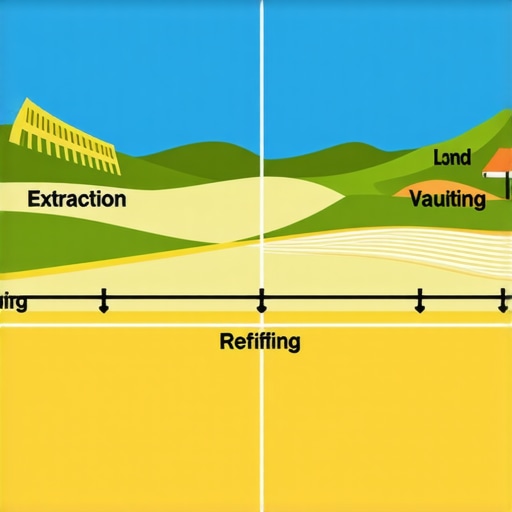
To further illustrate, consider this schematic depicting the intricate flow of gold from extraction to institutional reserves, highlighting points where strategic interventions are most likely to occur.
Mitigating Liquidity Risks in Physical Gold During Market Turmoil
While physical gold remains a prized liquid asset, real-world considerations such as transportation delays, storage costs, and regional market restrictions can hinder swift liquidation. Implementing a layered approach—maintaining a mix of allocated and unallocated positions, leveraging trusted vaulting services, and understanding regional market liquidity—can improve agility. For example, pre-establishing relationships with reputable bullion dealers and brokers ensures prompt execution during times of crisis, minimizing losses and maximizing strategic opportunities.
Can Dynamic Hedging Strategies Fortify Your Portfolio Against Price Swings?
Employing dynamic hedging—using options, futures, or inverse ETFs—allows investors to offset downside risks or leverage bullish trends effectively. For instance, purchasing put options on gold ETFs provides downside protection during turbulence, while call options can amplify gains during rallies. Sophisticated portfolio management employs a combination of these instruments aligned with macroeconomic outlooks, ensuring flexibility and resilience. Integrating these strategies demands a nuanced understanding of derivatives markets and the behavior of gold’s price drivers, making ongoing education essential for maintaining an edge.
To explore these complex strategies further, consider resources from premier derivatives platforms and consult with geostrategic analysts specializing in commodity markets. As the landscape of global finance continues to evolve, those equipped with a deep, strategic understanding of gold’s multifaceted role will be best positioned to capitalize on emerging opportunities.
!
Capitalizing on Hidden Forces in Gold Markets: The Expert’s Playbook
In the realm of sophisticated gold investment, recognizing the subtle interplay between macroeconomic indicators and market microstructures is essential. Analyzing advanced supply chain disruptions—such as clandestine stockpile movements or covert leasing activities—reveals underlying tensions that can precipitate price upheavals. Entrepreneurs and institutional investors alike must employ a multi-layered analytical approach, integrating geopolitical risk assessments with real-time trade flow data, to anticipate potential market shifts before they materialize.
Unveiling the Metrics Behind a Lasting Gold Bull Run
Probing beyond surface-level technicals, discerning investors focus on divergence analysis, yield curve behaviors, and monetary policy signals that precede sustained upward trends. Indicators such as negative real yields, persistent treasury market anomalies, and rising inflation expectations, when combined, form a predictive matrix. Monitoring these signals allows for proactive positioning, turning speculative guesses into data-driven strategies tailored for long-term growth.
How Can Sentiment and Machine Learning Detect Gold’s Next Breakthrough?
The integration of sentiment analysis and machine learning offers a transformative edge in market prediction. By analyzing vast textual datasets—news reports, social media chatter, economic forecasts—algorithms can detect emerging narratives or shifts in investor confidence. An instance includes real-time detection of geopolitical tensions that drive safe-haven demand, enabling traders to deploy timely hedges or capitalize on momentum. Engaging with these technologies demands both technical acumen and an understanding of their limitations, ensuring that automated signals complement human judgment effectively.
Central Banks’ Shadow Tactics and Their Impact on Market Liquidity
Beyond overt reserve accumulation, central banks deploy covert operational strategies—such as leasing arrangements, off-market sales, or strategic swaps—that subtly influence liquidity and price discovery. These maneuvers often escape standard disclosure channels, yet their recognition can profoundly impact strategic decisions. For example, unexpected off-market sales may temporarily suppress prices, providing opportunistic entry points for informed investors. Staying attuned to trade disclosures and market whispers is imperative for decoding these covert signals, which often presage larger structural shifts.

Visualize the intricate pathways through which central bank operations ripple into the global gold ecosystem, highlighting potential intervention points and emerging trends.
Liquidity Challenges and Their Tactical Mitigation in Physical Gold Holdings
While physical gold is celebrated for its liquidity in theory, real-world constraints—such as regional market restrictions, transport delays, and storage liabilities—pose significant hurdles. Implementing a hybrid approach—maintaining a balanced mix of allocated vault holdings and liquid unallocated positions—can enhance liquidity readiness. Establishing relationships with trustworthy bullion dealers and leveraging flexible settlement options enables swift action when market conditions turn volatile, safeguarding portfolios from liquidity crunches.
Could Dynamic Hedging Shield Your Assets from Volatility?
Applying dynamic hedging techniques—using tailored options strategies or inverse ETFs—empowers investors to selectively diminish downside exposure or amplify gains during market swings. For example, purchasing out-of-the-money put options on gold ETFs can act as a safety net during sudden downturns, while call options can seize upside potential during rallies. Achieving optimal results requires ongoing monitoring of macroeconomic indicators, combined with disciplined rebalancing of hedge positions. Incorporating quantitative models or hiring specialist advisors can further refine these tactics, ensuring resilience amid unpredictability.
Exploring how these advanced hedging frameworks function in practice can be immensely beneficial—consider consulting top-tier derivatives platforms or participating in specialized financial seminars, ensuring your portfolio remains adaptive and robust at every turn.
!
Anticipating Future Price Movements Through Supply Chain Intelligence
The journey of gold from extraction to end-user involves complex global supply channels susceptible to disruptions—be they geopolitical, environmental, or logistical. By monitoring real-time shipment data, mining output forecasts, and regional political stability, savvy investors gain a tactical edge in predicting price trends. For instance, recent mine closures in Africa due to regulatory crackdowns or strikes materially impacted regional supply, temporarily elevating prices. Leveraging supply chain intelligence enables preemptive positioning, mitigating risks associated with unforeseen shortages or surpluses.
Decoding the Technical and Fundamental Indicators Foretelling Gold’s Surge
Exclusive analytical frameworks combine divergence analysis, macroeconomic fundamentals, and cross-asset correlations to identify imminent bull markets. A particularly potent indicator involves the gold-price divergence from the US dollar—when gold rises despite dollar strength, it signals underlying demand shifts. Additionally, yield spread analysis—comparing real versus nominal rates—reveals embedded inflation expectations, often preluding upward price momentum. Professionals regularly synthesize these signals into comprehensive models, transforming raw data into actionable investment insights.
Leveraging Data Science to Enhance Investment Edge
Modern data science techniques—such as natural language processing and predictive analytics—offer unmatched capacity to detect nascent market trends. By analyzing social sentiment, macroeconomic reports, and geopolitical news feeds, investors can construct probabilistic forecasts for gold price movements. For example, a surge in adverse geopolitical news may precede increased safe-haven flows, presenting an opportunity to adjust holdings proactively. Embracing these technological tools necessitates mastering data interpretation and critical analysis—skills that are increasingly vital for sophisticated market participants seeking to outperform conventional strategies.
**
Remote Operations and the Future of Gold Liquidity Management
As digital transaction platforms grow more sophisticated, remote vaulting solutions, blockchain-based tracking, and real-time settlement systems are revolutionizing liquidity management. Investors leveraging these innovations can execute swift, transparent transactions, reducing exposure to logistical delays and regional market restrictions. Such advancements not only streamline liquidity provisioning but also enhance security and auditability—crucial aspects in turbulent markets. Staying ahead involves adopting emerging technologies and integrating them into your strategic planning for agile response to market shifts.
Expert Insights for Sharpening Your Gold Investment Approach
Stay Ahead with Macro Indicators
Focus on real interest rates and central bank reserve policies, as these are pivotal in forecasting long-term gold trends and avoiding market pitfalls.
Leverage Emerging Supply Chain Data
Advance your analysis by integrating geopolitical risks and supply disruptions, which can signal upcoming price shifts often overlooked by traditional models.
Utilize Technology for Market Edge
Employ sentiment analysis and machine learning algorithms to identify subtle market cues, enabling proactive positioning ahead of major moves.
Refine Liquidity Management Tactics
Develop stratified holdings combining physical gold and flexible storage options, ensuring liquidity during volatility and strategic rebalancing opportunities.
Implement Dynamic Hedging Techniques
Use options and derivatives intelligently to protect against downside risks and capitalize on upward momentum, especially during macroeconomic upheavals.
Curated Resources for the Serious Gold Investor
- World Gold Council Reports: Gain exclusive insights into global demand trends and supply-side developments.
- Financial Market Data Platforms: Access sophisticated tools for technical and fundamental analysis tailored to precious metals.
- Specialized Investment Forums and Journals: Engage with expert communities discussing nuanced market signals and emerging strategies.
Synthesizing the Gold Market’s Future
Understanding the sophisticated interplay of macroeconomic factors, supply chains, and technological tools equips investors with a strategic advantage in gold markets—crucial for safeguarding wealth amidst uncertainty. The key lies in continuously refining your approach based on emerging signals and in-depth analyses. As the landscape shifts, adopting a proactive, informed stance will distinguish successful investors. For those committed to staying at the forefront, engaging with advanced resources and expert networks is indispensable. Dive deeper into supply-demand mechanics or explore expert strategies to elevate your gold investment performance; your future self will thank you.
About the Author
Martin Tremblay
Private Investor | Capital Markets Expert
Martin Tremblay is a distinguished Private Investor and Capital Markets Expert with an extensive background in high-stakes financial advisory and strategic acquisitions. As a key figure at HCI, a premier capital advisory and mergers and acquisitions boutique firm with a presence in Montreal, Toronto, and New York, Martin brings a wealth of cross-border experience to the buyingoldnow.com community. His professional focus centers on identifying undervalued opportunities within established markets and navigating the intricate landscape of capital structures. With years of experience operating at the intersection of capital markets and private equity, Martin offers authoritative insights into the nuances of acquiring legacy assets and businesses. His expertise is grounded in a deep understanding of M&A processes, valuation methodologies, and the strategic deployment of capital. On buyingoldnow.com, he leverages his professional background to provide readers with actionable advice on securing and scaling established businesses for modern success. Martin is dedicated to demystifying the complexities of the investment world and is passionate about helping aspiring investors and entrepreneurs achieve long-term financial growth through informed decision-making.
LinkedIn Profile