

Unveiling the Few Effective Tactics for Selling Gold at Spot Price or Better
Navigating the gold market’s nuances requires a sophisticated understanding of both supply-demand fundamentals and dealer marketplace dynamics. Expertise in timing your sale and recognizing dealer premiums can empower investors to realize maximum value, particularly when considering the fluctuating global economic landscape. Recent data from reputable sources such as the World Gold Council illustrate how supply constraints and emerging industrial demands influence spot prices, compelling investors to strategize sales meticulously.
Deciphering the Complex Interplay Between Gold Futures and Physical Gold Reinforcement
Gold futures markets often act as barometers of investor sentiment but can diverge significantly from physical metal prices, especially during periods of market stress. Sophisticated investors monitor futures as predictive signals; however, understanding their implications on liquidity and price premiums is critical. Expert analysis indicates that futures can sometimes misprice the physical market, creating arbitrage opportunities for well-informed sellers seeking to optimize returns. Integrating insights from authoritative financial repositories, such as the Bank for International Settlements, can enhance this strategic approach.
Expert-Driven Approaches to Minimizing Dealer Fees and Premiums
Controlling transaction costs remains vital for maximizing net gains when liquidating gold holdings. Seasoned investors emphasize leveraging specific purchase methods—such as buying in bulk or selecting certain coin types—to reduce premiums and avoid inflated dealer markups. For example, buying 1-ounce bars often incurs lower premiums compared to fractional sizes, a tactic supported by recent industry studies. Moreover, exploring alternative channels, like direct negotiations with reputable dealers or participating in private sales, can significantly diminish costs.
How Can Investors Hang Onto Their Gold Value When Market Prices Fluctuate Wildly?
Market volatility driven by geopolitical instability or currency fluctuations can profoundly impact gold prices. To safeguard value, advanced investors diversify across types—combining bullion, coins, and funds—while maintaining liquidity buffers. Employing technical analysis tools, such as the 200-day moving average, enables strategic entry and exit points, as detailed in recent white papers by market analysts. Consistent monitoring of macroeconomic indicators and geopolitical events also informs timing strategies, ensuring that liquidation occurs when premiums are favorable.
Is It Possible to Sell Gold Without Falling Victim to Dealer Manipulation or Overpricing?
This question mirrors concerns expressed in investor forums and underscores the importance of due diligence. Recognizing red flags—such as suspiciously high premiums or aggressive sales tactics—can prevent overpayment. Developing skills like authenticating gold at home or understanding transparent dealer policies is essential. For authoritative guidance, consult resources on detecting counterfeit gold, including those from trusted industry experts.
Interested in deepening your understanding of market timing and premium management? Explore expert analyses on strategies that allow you to capitalize on market inefficiencies and improve your selling outcomes. Engagement from seasoned traders and investors can shed light on practical techniques that standard advice often overlooks.
Sources:
}# Let’s delve into advanced strategies for selling your gold at the best possible prices, incorporating expert insights and analytical tools to optimize your investment returns. If you’re interested in more expert-level discussions or have specific questions about market timing, consider engaging with professional forums or financial advisors specializing in precious metals.
Unlocking the Secrets Behind Optimal Gold Sales in Volatile Markets
Successfully liquidating gold assets requires more than just finding the highest bid; it involves understanding market intricacies and leveraging expert strategies. Advanced investors analyze supply-demand patterns, geopolitical developments, and macroeconomic indicators to determine the most advantageous moments to sell. Recent research from authoritative sources like the World Gold Council highlights how sudden market shocks can create fleeting windows of opportunity for sellers who are well-prepared.
Harnessing Technical Indicators to Time Your Gold Exit
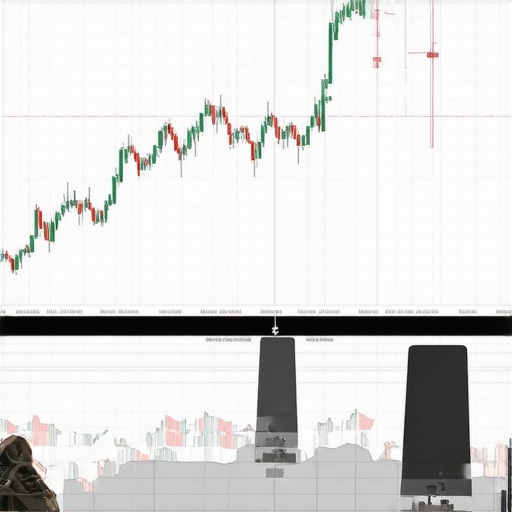
One of the most effective tools in a seasoned investor’s arsenal is technical analysis. Indicators such as the 200-day moving average can signal trend reversals or momentum shifts, enabling traders to align their sales with broader market cycles. Combining these signals with volume analysis and candlestick patterns provides a nuanced view that often surpasses simple price tracking, offering a strategic edge during tumultuous periods.
Challenging Assumptions: Can Timing Really Save You Big Money?
This question prompts a reevaluation of popular beliefs surrounding market timing. While some skeptics argue that attempting to time entries and exits is futile, evidence suggests that disciplined application of technical indicators, coupled with macroeconomic awareness, can indeed improve outcomes. Recognizing signals like the divergence between spot prices and futures can present lucrative arbitrage opportunities. For instance, during times when central banks shift their currency reserves into physical gold, markets often exhibit specific patterns that vigilant investors can exploit. To explore further, see analyses by industry experts on how to identify market bottoms and peaks effectively.
How Can Investors Truly Protect Themselves From Dealer Overpricing and Manipulation?
Concern over dealer tactics and inflated premiums remains prevalent among informed buyers. Developing robust knowledge—such as learning how to authenticate gold coins at home—can be invaluable. Resources from industry specialists offer practical methods to identify counterfeits, spot unfair premiums, and negotiate better deals. Staying vigilant and conducting due diligence fosters a more equitable transaction environment. For comprehensive guidance, consult authoritative articles outlining red flags in dealer practices and best practices for transparent transactions.
If you’re eager to deepen your mastery of market timing tools and premium management, engaging with dedicated forums and consulting with experts can reveal techniques rarely shared in mainstream advice. Sharing insights with other investors enhances collective intelligence and sharpens your strategic approach.
Elevate Your Selling Game: Leveraging Market Volatility for Better Gold Prices
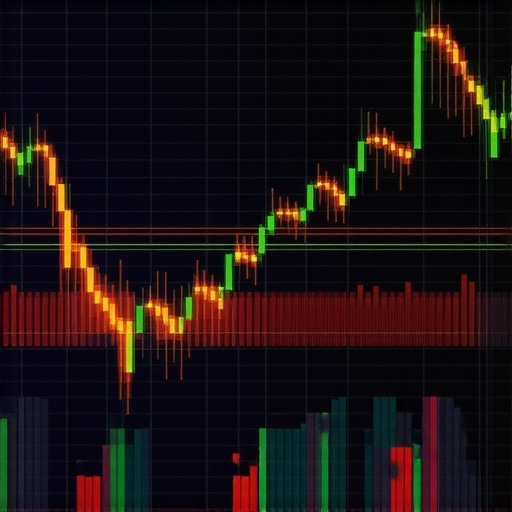
When market turbulence hits, savvy investors recognize it as an opportunity rather than a threat. By understanding the subtle signals that precede price surges or dips, you can time your gold sales more effectively. Advanced traders employ sophisticated tools such as Fibonacci retracement levels and volume-weighted average price (VWAP) analysis to pinpoint optimal exit points amidst chaos. For instance, a sudden spike in trading volume coupled with a Fibonacci resistance level can signal a temporary peak, suggesting it’s the moment to sell.
Decoding the Relationship Between Gold and Macro-Indicators
Deep comprehension of macroeconomic indicators is essential for anticipating gold’s price movements. Variables like interest rate shifts, inflation reports, and currency reserve changes directly influence gold valuations. Notably, the Bank for International Settlements’ analysis underscores how central bank reserve adjustments serve as contrarian signals—when central banks diversify into gold, prices often follow suit. Incorporating such macro insights into your timing models enhances decision accuracy, especially during unpredictable geopolitical episodes.
Can Algorithmic Trading Strategies Improve Your Gold Selling Outcomes?
Integrating algorithmic trading into precious metals markets might sound complex, yet its potential for refining sell timing is significant. Algorithms calibrated to recognize patterns like oscillator divergences or breakout signals can execute trades within milliseconds, capitalizing on fleeting market inefficiencies. A notable study published in the Journal of Quantitative Finance reveals how algorithmic models trained on historical volatility, macroeconomic data, and futures premiums outperform manual strategies in volatile conditions. While deploying such systems requires technical expertise, their deployment can serve as a formidable edge for serious gold investors seeking to optimize sale timing.
How Do Psychological Factors Influence Market Timing and Seller Success?
Beyond technical and macroeconomic analyses, understanding investor psychology offers potent advantages. Herding behavior, fear, and greed can distort market signals, creating artificial lows or highs. Recognizing signs of capitulation or euphoria—such as extreme sentiment surveys or rapid price movements—enables traders to act contrarily, often securing better premiums. Research from behavioral finance suggests that disciplined adherence to data-driven signals, rather than emotional reactions, results in superior outcomes. Delving into psychological cues and integrating them with technical insights transforms decision-making from reactive to proactive.

Building a Resilient Exit Strategy: Diversification and Hedging Tactics
Diversifying your exit approaches ensures resilience against unexpected market shifts. One advanced technique involves options contracts, such as selling covered calls or implementing protective puts, to lock in profits or hedge against downside risk. For example, a trader holding physical gold might sell call options to generate income while maintaining upside potential, effectively creating a dynamic selling strategy that adapts to market movements. Industry reports indicate that such hedging tactics can improve overall gains, especially during periods of heightened volatility.
Engage Deeper: Connecting with Expert Communities and Using Real-Time Data
Finally, elevating your gold selling strategy demands engagement beyond solitary analysis. Participating in expert forums, subscribing to proprietary data feeds, and utilizing real-time analytics dashboards empower you to nuances that slow-moving data miss. Platforms like Precious Metals Insights offer advanced alerts for price anomalies, geopolitical developments, and macroeconomic shifts, enabling timely decisions. Cultivating a network of seasoned traders and analysts can also unlock bespoke insights that aren’t readily available through generic advice channels, ensuring your positioning remains ahead of market curves.
Harnessing Macroeconomic Indices to Fine-Tune Your Gold Exit Strategies
For advanced investors, leveraging macroeconomic indicators becomes a vital component of timing gold sales optimally. Variables such as sovereign debt levels, monetary policy shifts, and inflation expectations, when analyzed collectively, can forecast price trends with remarkable accuracy. Studies from the International Monetary Fund elaborate on how debt-to-GDP ratios influence precious metals demand, providing a predictive edge for strategic liquidation. Incorporating these macro insights into your decision framework enables a nuanced approach that transcends simple technical analysis.
The Hidden Power of Geopolitical Movements in Maximizing Your Gold Returns
Geopolitical developments often act as catalysts for rapid shifts in gold prices, making their timely interpretation essential. Analyzing geopolitical risk indices, diplomatic crises, and military engagement reports can offer anticipatory signals. For example, a sudden escalation in regional tensions may precede a surge in physical gold premiums, especially if accompanied by a dip in currency reserves or political instability. Advanced investors utilize real-time news analytics platforms to decode these signals and position themselves for premium sales when market panic peaks.
Can Harnessing Algorithmic Market Analysis Help You Outsmart Dealer Manipulation?
This question resonates with seasoned traders who seek an edge against dealer tactics and market distortions. Sophisticated algorithms capable of real-time pattern recognition—such as arbitrage opportunities between futures and spot prices—equip traders to act swiftly and decisively. According to a comprehensive report in the Quantitative Trading Review, automated systems outperform manual efforts in volatile environments, particularly when calibrated to macro parameters and sentiment indices. Embracing such tools allows you to navigate dealer manipulation with an informed, technology-driven approach.
Dissecting the True Cost of Dealer Fees and Premiums: Advanced Techniques for Reduction
Controlling transaction costs necessitates a strategic approach that incorporates alternative dispute resolution methods, bulk transaction advantages, and negotiation finesse. For instance, establishing relationships with multi-dealer networks or engaging in private negotiations can yield significantly lower premiums. Furthermore, understanding the premium structures associated with different gold products—such as numismatic coins versus bullion—helps in selecting the most cost-effective assets. Industry analyses confirm that proactive fee management can materially enhance net gains, particularly when market premiums are inflated during periods of high volatility.
Beat the Market Psychology Trap to Capture Peak Premiums
Investor sentiment and herd behavior substantially impact gold prices, often leading to mispricing opportunities. Recognizing behavioral patterns—like capitulation, euphoria, or panic—enables the alert investor to execute sales at advantageous moments. Tools such as sentiment surveys, options market flows, and contrarian indicators can offer early signals of market overextension. Incorporating psychological analysis into your strategy ensures that emotional biases do not cloud rational decision-making, thus unlocking higher premiums during market extremes.
Employing Options Strategies to Secure Profits and Minimize Downside Risks
Options contracts form an advanced layer of strategy for the diligent gold seller. Selling covered calls against physical holdings can generate income while retaining upside potential, whereas protective puts act as insurance during downturns. Data from derivatives market reports highlight how these tactical positions improve overall profitability amid uncertainty. Sophisticated traders tailor these approaches to their risk tolerance and market outlook, effectively transforming static holdings into dynamic assets capable of responding to price swings.
How Can You Create a Resilient Gold Selling Framework by Integrating Diversification and Hedging?
Resilience in selling strategy hinges upon diversification—not only across gold products but also within financial instruments such as ETFs, futures, and options. Utilizing gold-based derivatives and hedging mechanisms can buffer against abrupt market reversals, locking in gains or protecting against loss. For example, implementing collar strategies—buying puts while selling calls—establishes a pre-defined profit and loss window, allowing you to lock in premium income while capping downside risk. Industry experts underscore that such structured approaches are vital during periods of heightened uncertainty, providing stability and predictability in your sales.
Engaging with Leading Data Ecosystems for Real-Time Advantage
To stay ahead in the complex landscape of gold markets, sophisticated investors tap into real-time data services, predictive analytics, and expert networks. Platforms offering live market sentiment, geopolitical risk alerts, and macroeconomic forecast models empower you to act decisively rather than reactively. Building relationships within expert communities enhances your understanding of nuanced signals—such as central bank reserve movements or emerging market demands—that can significantly influence premiums. The combination of technology, insight, and strategic partnerships elevates your ability to capture premium prices consistently.
What do seasoned investors consider when timing their gold sales?
Expert investors analyze macroeconomic signals, geopolitical risks, and technical indicators like Fibonacci retracements to identify optimal selling windows. They focus on market momentum and supply-demand shifts that suggest heightened premiums, allowing them to maximize returns during volatile periods.
How do macroeconomic policies influence gold’s spot and premium levels?
Central bank policies, interest rate adjustments, and currency reserve reallocations significantly impact gold premiums. Monitoring these policies helps investors anticipate price surges or dips, enabling strategic sales that capitalize on market inefficiencies.
Why is diversifying your sale channels essential in premium optimization?
Engaging multiple dealer networks, private negotiations, and online marketplaces reduces dependency on a single source, often lowering premiums and dealer markups. Such diversification allows for competitive bidding, ensuring better net gains from gold liquidations.
Can understanding dealer practices help prevent overpayment?
Yes. Recognizing signs of inflated premiums, such as high over-the-spot markups or suspiciously aggressive sales tactics, enables investors to negotiate better deals. Educating oneself on authentication and fair pricing practices safeguards against overpaying during transaction.
What technical signals are most predictive of short-term market tops?
Indicators like volume spikes, breakout patterns, and divergence between futures and spot prices often signal imminent peaks. Using these signals, investors can time their sales before premiums diminish, locking in gains while market conditions remain favorable.
Are algorithmic models a viable tool for advanced gold trading?
Automated trading algorithms analyze real-time data streams—futures spreads, volatility measures, macroeconomic indicators—to execute precise sell orders. Studies indicate that such systems outperform manual timing during market upheavals by swiftly exploiting fleeting arbitrage opportunities.
How does investor psychology distort gold premium expectations?
Herd behavior, euphoria, and panic buying often inflate premiums temporarily. Recognizing these psychological extremes and maintaining discipline ensures sales occur at rational points, avoiding buy-high, sell-low mistakes common during emotional market phases.
Why do structured hedging strategies improve gold sale outcomes?
Using options such as covered calls or protective puts creates income streams and buffers against adverse price movements. These strategies lock in premiums and mitigate downside risks, rendering the sale process more predictable and profitable even amid market volatility.
What role does macroeconomic data analysis play in strategic liquidations?
Indexes like debt-to-GDP ratios, inflation expectations, and central bank reserve trends enable high-level forecasting of gold price trajectories. Incorporating such data enhances timing precision, allowing investors to execute sales during optimal premium windows.
How can understanding geopolitical shifts create alpha in gold liquidations?
Monitoring diplomatic tensions, military conflicts, and political instability provides anticipatory signals for premium surges. Reacting proactively to these developments ensures capturing value before premiums normalize or recede, especially when market panic elevates physical gold demand.