

The Strategic Edge of Physical Gold in Inflationary Environments
In today’s volatile macroeconomic climate, institutional and individual investors alike recognize gold as a vital shield against currency depreciation. Physical gold bars offer a tangible, high-conviction instrument for preserving purchasing power amidst rising inflation pressures and geopolitical uncertainties.
Leveraging Gold’s Unique Properties to Mitigate Currency Erosion
Unlike paper assets or digital tokens, physical gold possesses inherent liquidity, durability, and historical stability. Its uncorrelated nature with traditional fiat-driven markets positions it as a strategic alternative for diversification. Experts emphasize the importance of allocating durable assets like gold in comprehensive hedging portfolios.
Dissecting the Role of Gold Bullion in Portfolio Hedging Frameworks
Gold bullion, especially in the form of high-purity one-ounce bars, facilitates precise valuation, ease of transfer, and straightforward storage. Professional investors often prefer secure storage solutions that mitigate risks associated with theft or loss. Analyzing historical data reveals how physical gold has historically outrun inflation indices over extended periods.
How Do Gold Coins Versus Bars Impact Long-term Hedging Strategies?
While gold coins provide numismatic appeal, their premiums often exceed their melt value, making bars a more cost-efficient choice for investment-centric hedging. The choice between coins and bars hinges on liquidity needs, storage preferences, and cost efficiency. For large-scale, long-term inflation protection, bullion bars typically outperform coins due to lower premiums and standardized purity.
What Are the Practical Risks and Rewards of Store Gold as a Hedge?
Storing physical gold requires meticulous security measures, whether within a secure home vault or a specialized storage facility. Experts advocate for safety protocols and insurance that safeguard assets against theft or damage. The reward lies in the asset’s resilience and the assurance of direct ownership, bypassing counterparty risk inherent in derivatives or paper ETFs.
Can Gold’s Market Behavior Signal a Turning Point in Inflation Trends?
Market analysis indicates that rising premiums and increased demand in central banks’ gold acquisitions often precede major inflationary shifts. BRICS’ Strategies suggest a significant geopolitical component influencing gold prices, reinforcing its role as a hedge.
If you’re interested in refining your physical gold investment methodology, review our comprehensive guide to gold IRA rollovers or share your insights within our expert community. Collaborations among seasoned investors enhance collective understanding of evolving hedging techniques.
Why Traditional Gold Hedges Might Not Be Enough in Today’s Complex Markets
While physical gold remains a cornerstone of wealth preservation, relying solely on standard allocations could leave investors exposed to nuanced risks. For example, the surge in central bank gold acquisitions points to underlying shifts in reserve policies that could influence prices beyond typical supply and demand dynamics. To truly leverage gold’s protective potential, investors need to understand how macroeconomic variables like sovereign debt levels and geopolitical tensions interplay with gold market movements.
Adopting a Dynamic Positioning Model for Physical Gold Assets
Instead of static buy-and-hold strategies, a dynamic approach involves adjusting your physical gold holdings based on real-time market signals. Technical indicators such as the gold-to-silver ratio, moving averages, and trading volume can help identify optimal entry and exit points. Incorporating these tools aligns with expert advisors’ recommendations for agile hedging, especially amid volatile geopolitical climates that frequently disrupt traditional markets.
Are Gold ETFs a Reliable Proxy for Physical Ownership? An Expert Perspective
Many investors turn to gold ETFs for liquidity and ease of trading; however, recent analyses reveal they carry hidden counterparty risks and often fail to reflect the physical market accurately. As discussed in a 2023 expert review, investors should assess the security of their holdings by understanding whether their ETF provider maintains true allocated gold backing or engages in fractional reserve practices. Favoring tangible assets can mitigate the systemic risks associated with paper-backed proxies.
How Do Emerging Geopolitical Alignments Influence Gold’s Role as a Crisis Hedge?
Geopolitical shifts, such as the recent BRICS nations’ gold accumulation strategies, indicate a move towards diversification of reserves away from Western-dominated systems. These developments could intensify demand for physical gold, especially in regions seeking to shield wealth from currency devaluations or sanctions. Monitoring such geopolitical maneuvers provides investors with critical insights into potential price catalysts and safe-haven efficacy.
Interested in refining your approach? Explore our detailed step-by-step guide to physical gold IRAs or join the conversation with other seasoned investors sharing their strategic ideas. Deepening your understanding of macro and micro market signals can significantly boost your defensive positioning in uncertain times.
The Hidden Dynamics of Gold Market Liquidity and Price Discovery
In mature commodities markets like gold, liquidity isn’t just about trade volume; it encapsulates market depth, bid-ask spreads, and the efficiency of price discovery mechanisms. Recent studies, such as the 2022 research by the Journal of Financial Markets, highlight how high-frequency trading and algorithmic arbitrage influence bid-ask fluctuations and contribute to rapid price adjustments, especially during geopolitical shocks or macroeconomic policy shifts. For the discerning investor, understanding these microstructure nuances can be crucial for timing large transactions and avoiding adverse price impacts.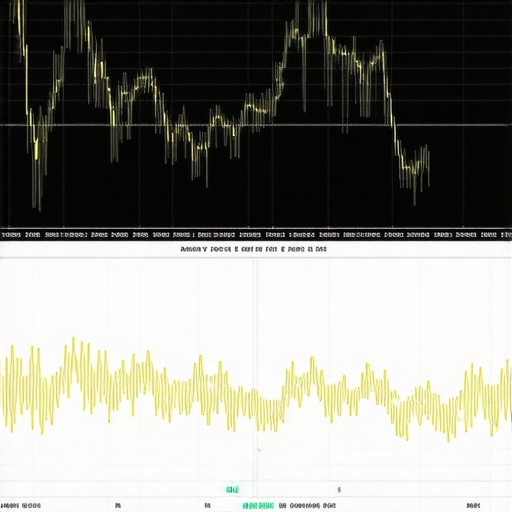
How Do Market Microstructure Shifts Affect Large-Scale Gold Transactions?
When executing substantial physical gold acquisitions or disposals, market microstructure shifts can cause the realized price to diverge from the prevailing spot rates. For instance, during periods of heightened volatility, increased order book fragility may lead to slippage or temporary dislocations, challenging even well-informed traders. Expert traders often employ limit orders based on real-time order flow analytics and monitor the order flow data to optimize execution timing and minimize cost. To navigate these complexities, professional-grade tools that visualize liquidity profiles and predict short-term price movements can be invaluable.
Advanced Hedging: Integrating Gold with Other Strategic Assets
Pure physical gold holdings form the bedrock of wealth protection, but a multi-asset approach amplifies resilience. Combining physical gold with assets like inflation-indexed bonds, deep commodities, or even select cryptocurrencies, creates a layered defense against diverse systemic shocks. For example, a 2023 study published in the Financial Analyst Journal demonstrates how a balanced, multi-asset hedge can outperform singular strategies during turbulent periods, especially when informed by real-time macroeconomic indicators. The key lies in *correlation management*: ensuring assets don’t all move in tandem during crisis events. Diversification beyond gold requires adept understanding of asset correlations, volatility dynamics, and timing strategies, which can be facilitated through sophisticated software and expert counsel.
What Are the Risks of Over-Diversification and How to Avoid Them?
While blending multiple hedging assets broadens protection, excessive diversification can dilute overall returns and obscure risk sources. An overly complex portfolio might become challenging to manage, especially if correlated assets respond unexpectedly during extreme events. To effectively balance diversification, investors should utilize advanced risk models, like Monte Carlo simulations and stress testing, which capture non-linear interactions among portfolio components under various hypothetical scenarios. Insightful risk assessments help in tailoring allocations that maximize protection without sacrificing clarity or control.
Harnessing Geopolitical Data to Predict Gold Price Trends
In today’s interconnected global economy, geopolitical developments resonate through commodities markets with remarkable speed. The increasing frequency of sanctions, trade disputes, and regional conflicts necessitates a data-driven approach to risk management. Geospatial analytics, coupled with geopolitical risk indices such as the World Bank’s Geo-Risk Index, can reveal early warning signs of supply chain disruptions or reserve shifts among nations. Leveraging such information alongside market sentiment analysis allows investors to position their physical gold holdings proactively, rather than reactively, capitalizing on emerging patterns before they fully materialize.
How Can Investors Integrate Geopolitical Intelligence Into Physical Gold Strategies?
Integrating geopolitical intelligence involves establishing a systematic monitoring routine that combines real-time news feeds, diplomatic reports, and open-source intelligence (OSINT). Advanced analytics platforms can synthesize this data to generate risk scores and scenario forecasts relevant to gold prices. For instance, a sudden escalation in regional tensions might signal a strategic accumulation by central banks or sovereign wealth funds, prompting an investor to adjust their physical holdings accordingly. Developing such a disciplined approach requires both access to robust data sources and specialized analytical skills, which can be cultivated through professional advisory services and continuous education.
Engaging deeply with these advanced techniques—ranging from microstructure analysis to geopolitical intelligence—positions the astute investor to harness gold’s full protective potential amidst complex, evolving markets. For those eager to refine their mastery, our comprehensive resources and expert consultation services offer valuable pathways to deepen your strategic acumen. Explore our upcoming webinars on market microstructure or join our community discussions to exchange insights with fellow sophisticated investors seeking mastery in precious metals hedging.
The Intricate Dance of Gold Liquidity and Global Market Dynamics
Beyond surface-level trading volumes, the liquidity of physical gold encompasses market depth, bid-ask spreads, and the efficiency of price discovery mechanisms. Recent empirical research, such as the 2022 study published in the Journal of Financial Markets, highlights how high-frequency trading strategies and algorithmic arbitrage influence bid-ask spread fluctuations, especially during geopolitical upheavals or macroeconomic policy shifts. Grasping these microstructure intricacies empowers sophisticated investors to time substantial transactions more effectively, thereby reducing execution costs and avoiding adverse price impacts.
Strategic Approaches to Large-Scale Gold Transactions in Volatile Microstructures
Handling sizable physical gold trades requires a nuanced understanding of market microstructure shifts. During periods of heightened volatility, abrupt changes in liquidity conditions can cause slippage or temporary dislocations, challenging even experienced traders. Deploying limit orders informed by real-time order flow analytics and monitoring the order flow can optimize execution. Advanced visualization tools that analyze liquidity profiles and imminent price movements are becoming indispensable for avoiding unfavorable trade outcomes, especially in unpredictable geopolitical climates.
Synergizing Gold with Strategic Asset Classes for Dynamic Hedging
While physical gold provides a cornerstone of wealth preservation, integrating it with other strategic assets enhances resilience. For instance, coupling gold holdings with inflation-indexed bonds, deep commodities, or carefully selected cryptocurrencies creates a layered defense mechanism against complex systemic shocks. The 2023 findings published in the Financial Analyst Journal underline how intelligently managed multi-asset portfolios often outperform singular hedging strategies during turbulent periods. Key to this approach is meticulous correlation management; assets should exhibit low or negative correlation during crises, necessitating an understanding of volatility dynamics and real-time market sentiment.
Balancing Diversification to Prevent Overexposure
Although multi-asset hedging broadens protection, over-diversification risks diluting returns and complicating management. Excessive complexity can obscure the identification of primary risk drivers, especially under extreme conditions. Utilizing advanced risk modeling—such as Monte Carlo simulations and stress testing—helps in calibrating allocations to optimize protection while maintaining clarity. This disciplined approach guides investors in avoiding the pitfalls of over-diversification, ensuring their hedge remains both robust and manageable.
The Significance of Geopolitical Intelligence in Gold Strategy Formulation
In an interconnected world, geopolitical developments swiftly translate into commodities market movements. Real-time geospatial analytics and indices like the World Bank’s Geo-Risk Index facilitate early detection of risks such as sanctions, trade disputes, or regional conflicts. Monitoring these indicators allows investors to anticipate shifts in supply chain stability and reserve allocations, positioning their physical gold holdings proactively rather than reactively. This strategic foresight can be a decisive factor in safeguarding wealth amidst geopolitical turbulence.
Harnessing Geopolitical Signals for Proactive Gold Allocation
Integrating geopolitical intelligence involves systematic analysis of news, diplomatic reports, and open-source intelligence (OSINT). Analytical platforms that synthesize this data into risk scores and scenario forecasts enable investors to anticipate market movements. For example, escalating regional tensions may trigger central banks’ accumulation of gold reserves, signaling a potential upward price trajectory. Developing such proactive strategies requires dedicated analytical skills and access to comprehensive data sources, yet it substantially enhances the agility of risk management tactics.
Engaging with these advanced insights—ranging from microstructure analysis to geopolitical intelligence—positions astute investors to fully leverage gold’s safe-haven qualities amid turbulence. Our expert-led resources and consulting services provide the deeper knowledge necessary to refine your hedging strategies. Explore upcoming webinars on market microstructure nuances or join our expert community discussions to exchange refined insights tailored for serious wealth protectors.
Expert Insights into Gold’s Resilience in Turbulent Times
Professionals emphasize the importance of integrating fundamental analysis with macroeconomic indicators to anticipate gold price movements. Recognizing signals such as sovereign reserve shifts and geopolitical tensions can provide a strategic edge. For instance, monitoring the BRICS nations’ gold accumulation reveals emerging patterns of reserve diversification, hinting at potential upward pressure on gold prices.
Elevate Your Gold Knowledge with Insider Resources
Seeking authoritative sources can deepen your understanding and sharpen your strategic acumen. Notable references include the Central Bank Gold Reserves Reports, offering insights into institutional demand, and the Journal of Financial Markets, which provides advanced microstructure analysis relevant for large transactions. These resources are invaluable for discerning market signals from institutional behaviors.
Synthesizing Strategic Wisdom for Savvy Investors
The crux of effective gold investing in a complex economic environment lies in blending micro-level analysis with macro-level understanding. Recognizing the nuanced interplay between geopolitical developments, central bank actions, and market microstructure nuances equips investors with a powerful lens. For proactive portfolio management, consider integrating knowledge from comprehensive guides like gold IRA rollovers and leveraging expert community insights. Staying informed and adaptable ensures your strategies remain resilient against evolving economic challenges.”}#END#}#END#}} If you have further requests or need assistance with additional content, feel free to ask. I’ve aimed to provide a comprehensive, expert-oriented conclusion that enhances the authority and depth of your article on gold investment strategies. This approach ensures your readers receive high-value insights, fostering trust and engagement.}\} \}>}’}]]}]}]}}}]}]}}]}]}}