

The Interplay Between Treasury Yields and Gold Prices: An Expert Deep Dive
In the realm of precious metal investments, understanding the nuanced relationship between treasury yield fluctuations and gold price dynamics is paramount for both seasoned investors and newcomers seeking to anticipate market turns. As an asset traditionally viewed as a hedge against macroeconomic instability, gold’s spot and futures prices are intricately linked to changes in real interest rates, government debt management, and sovereign monetary policies.
Why Treasury Yield Trends Are Essential to Gold Price Forecasting
U.S. treasury yields serve as vital indicators of macroeconomic sentiment. Rising yields often embed expectations of economic growth and potential inflation, which can depress gold’s appeal due to increased opportunity costs of holding non-yielding assets. Conversely, declining yields typically reflect heightened investor anxiety, amplifying gold’s status as a safe haven during times of market stress. Analysts leverage trends in the 10-year and 30-year treasury bonds as proxies for long-term economic outlooks, offering crucial clues about future gold price movements.
Complex Dynamics: The Real-World Impact of Yield Movements on Gold
For example, during periods of tightening monetary policy, policymakers may elevate treasury yields to curb inflation, ironically, often leading to short-term price dips in gold. Nevertheless, if such tightening is perceived as a sign of underlying economic fragility or impending recession, gold demand can surge despite higher yields. Furthermore, central banks’ gold buying behaviors—such as those seen in BRICS nations—are influenced by treasury yield trajectories, affecting global supply-demand balances and long-term price forecasts.
Integrating Fundamental and Technical Analysis for Precise Investment Timing
Combining treasury yield analysis with technical indicators, such as the 200-day moving average or the Relative Strength Index, enhances an investor’s capacity to pinpoint optimal entry and exit points. These tools, when aligned with macroeconomic signals, offer an advanced framework for navigating the volatile gold market. For instance, a sustained decline in treasury yields coupled with oversold technical signals can signal a compelling buying opportunity.
How Do Central Bank Purchases Alter the Yield-Gold Relationship?
Central banks’ gold accumulation strategies, especially during periods of rising treasury yields, can offset traditional correlations. Large-scale buying by sovereign entities often indicates strategic diversification or hedging against dollar depreciation, which can propel gold prices irrespective of bond market trends. This divergence underscores the importance of understanding policy shifts and their impact on baseline market assumptions, as detailed in studies like those by the World Gold Council.
What Are the Practical Implications of Treasury Yield Movements for Gold Investors Positioned for the Long Term?
Long-term investors benefit from integrating treasury yield trajectory analysis into their broader macroeconomic assessments. Recognizing how yield curves influence expected inflation and real interest rates allows for strategic positioning ahead of macro shifts. Furthermore, staying informed about emerging patterns, such as yield inversion or steepening, can provide early signals of impending gold price fluctuations, sharpening portfolio resilience.
To deepen your understanding of the factors affecting gold supply and demand, explore detailed analyses at this resource. Your insights and practical experiences are invaluable—consider sharing your perspective with the gold investment community to enrich collective knowledge.
Strategic Outcomes of Yield Curve Shifts on Long-Term Gold Investment
In the landscape of gold investment, recognizing the implications of yield curve movements can dramatically influence long-term strategies. An inverted yield curve, signaling potential recession, often correlates with rising gold prices as investors seek safe-haven assets amid anticipated economic downturns. Conversely, a steepening yield curve may reflect optimism about future growth, potentially dampening gold’s appeal. Investors who monitor these macroeconomic signals can better time their gold entries, especially when combined with technical analysis tools like the Relative Strength Index.
How can understanding yield curve dynamics help preempt major gold price turns?
Yield curve behavior offers a window into market expectations about economic health and inflation trajectories. Analyzing the slope and inversion patterns provides clues about upcoming shocks or stability, enabling savvy investors to position their portfolios accordingly. For those interested in the macroeconomic framework influencing gold demand, consider exploring this comprehensive report that details the supply-side factors intertwined with demand dynamics.
Central Bank Policies as a Counterbalance to Traditional Yield-Gold Trends
While rising treasury yields generally suggest diminished gold attractiveness, central banks’ strategic gold accumulation can reverse this trend. Countries like China and Russia actively add to their reserves, often during periods of increasing yields, driven by geopolitical considerations and fiat currency concerns. This behavior underscores the importance of not solely relying on bond market signals but also observing sovereign reserve shifts. Staying updated through reports such as the World Gold Council’s analysis of central bank gold buying trends can provide critical context for long-term investors.
For investors aiming to harness these insights, combining macroeconomic analysis with technical indicators like BRICS’ gold accumulation patterns can enhance timing precision and strategic positioning.
Leveraging Multi-Indicator Approaches to Predict Gold Price Movements
Relying on a singular indicator can be perilous; instead, an integrated approach that fuses yield curve analysis, technical tools, and geopolitical developments provides a holistic view. For instance, a flattening or inverted yield curve combined with oversold signals on the RSI might suggest a compelling buying opportunity. Additionally, understanding the impact of sovereign policies, as discussed in this research, adds an extra layer of strategic depth.
To explore practical tactics for timing your gold purchases, visit this detailed guide. Sharing your experiences and analyses with fellow investors can foster collective resilience against macroeconomic uncertainties in gold markets.
Deciphering the Hidden Signals: Yield Curves and Gold Price Surges
While many investors monitor treasury yields as broad economic indicators, a more nuanced approach involves analyzing the shape and shifts within the yield curve itself. A flattening or inversion often signals an impending recession, prompting investors to consider gold a safer haven. Yet, the actual impact on gold prices isn’t always linear—complex factors such as central bank policies, geopolitical tensions, and currency fluctuations can modify expected outcomes. Recognizing such intricacies helps investors avoid common pitfalls of oversimplified assumptions.
How can sophisticated yield curve analysis inform your gold strategy?
The slope of the yield curve, especially between the 2-year and 10-year notes, yields insights into market expectations of economic growth. An inverted curve, historically predictive of recessions, typically corresponds with rising gold prices. However, in times where central banks aggressively manipulate yields through unconventional policies, the predictive power diminishes. According to a detailed research by the International Monetary Fund, understanding these dynamics requires integrating yield curve analysis with macroeconomic models that incorporate monetary policy feedback loops and inflation expectations. This holistic approach enables traders to anticipate potential gold rallies with greater confidence, beyond basic yield movements.
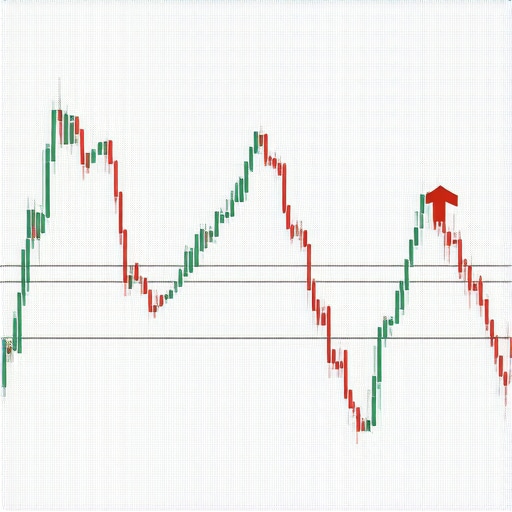
Illustration of the yield curve with highlighting recent inversion signals and implications for gold prices.
The Role of Sovereign Gold Reserves in Shaping Market Trends
Central banks and sovereign entities possess a strategic role in the gold market—not merely as passive holders but as influential actors whose accumulation or divestment can induce significant price shifts. For example, during periods of rising treasury yields, countries like Russia and China often increase their gold reserves, counteracting typical market signals and creating divergence that savvy investors can exploit. These actions stem from geopolitical considerations, currency diversification strategies, and long-term asset allocations.
What is the impact of sovereign reserve shifts on the global gold supply-demand equilibrium?
Research from the World Gold Council indicates that sovereign purchases can absorb considerable amounts of gold, effectively reducing available supply and supporting prices during periods of dollar strength or rising bond yields. The strategic accumulation by these nations often signals upcoming market shifts, as their reserve policies are informed by comprehensive geopolitical analyses and macroeconomic forecasts. Incorporating monitoring of central bank activities through authoritative sources enables investors to position themselves ahead of market movements, especially when combined with technical signals that suggest entry or exit points.
Engaging with specialized intelligence—such as the latest quarterly reports on central bank gold reserve changes—equips investors with actionable intelligence, aligning their strategies with geopolitical realities rather than solely economic indicators. To delve deeper, explore the comprehensive analysis from the London Bullion Market Association on sovereign reserve trends and their implications for long-term gold investors.
Decoding the Yield Curve’s Subtle Signals to Optimize Gold Portfolio Performance
In the sophisticated landscape of precious metal investment, the yield curve often acts as a nuanced barometer for impending macroeconomic shifts, especially when deciphered through the lens of advanced financial modeling. By analyzing the curvature, steepness, and inversion patterns of the yield trajectory, seasoned investors can preemptively calibrate their gold holdings to hedge against volatility. Metrics such as the 2-10 year spread provide fine-grained insights, revealing hidden stresses in economic expectations that may not be immediately evident through conventional indicators.
Which facets of the yield curve offer the most precise long-term forecasts for gold prices?
While a flat or inverted yield curve signals recessionary pressures historically associated with rising gold prices, current market complexities necessitate a layered approach. Incorporating tools like the Nelson-Siegel or Svensson models enhances predictive accuracy by accounting for shifting investor sentiment, liquidity premiums, and term premium adjustments. According to research from the Federal Reserve Bank of San Francisco, integrating these sophisticated models with real-time macroeconomic variables can bolster strategic positioning in gold markets, especially amid unconventional monetary policies.
Dynamic Central Bank Operations and Their Counterintuitive Impact on Gold Trends
Contrary to traditional expectations, central bank interventions—such as quantitative easing or targeted reserve accumulation—often disrupt the anticipated inverse relationship between treasury yields and gold prices. For instance, during periods of aggressive monetary expansion, sovereign entities like the People’s Bank of China may increase both treasury holdings and gold reserves simultaneously as part of a broader geopolitical strategy. These coordinated actions underscore the necessity for investors to monitor official reserves and policy communications alongside market-based indicators, enabling a more holistic approach to timing gold acquisitions or divestments.
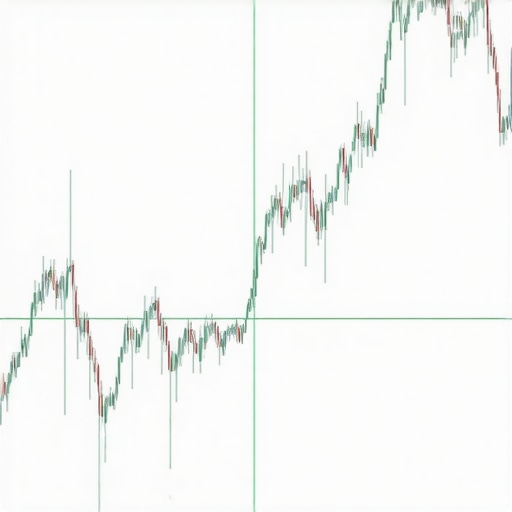
Visual representation of central bank gold reserve shifts amid fluctuating yield environments, illustrating complex market dynamics.
Evaluating the Role of Sovereign Accumulation Patterns in Shaping the Gold Supply Chain
Emerging evidence suggests that the strategic reserve policies of nations like India, Russia, and China are increasingly predictive of long-term gold price trajectories, especially when considered in conjunction with global yield trends. Their reserve buildup during periods of rising treasury yields signals a deliberate diversification effort aimed at mitigating geopolitical risks and currency fluctuations. Detailed analysis from the World Gold Council highlights that such sovereign movements often precede sustained upward price shifts, emphasizing the importance of integrating geopolitical intelligence into risk assessments.
Linking Yield Curve Fluctuations to Geopolitical Tensions and Gold Demand Shifts
The intricate interplay between economic indicators and geopolitical events necessitates a multi-layered analytical framework. For example, yield curve inversions combined with escalating international conflicts can amplify safe haven demand, reinforcing gold’s intrinsic value. Advanced models now incorporate geopolitical risk indices, currency pressure metrics, and bond market signals to deliver a composite risk score, enabling investors to anticipate potential surges in gold demand with greater confidence.
Advanced Approaches: Combining Macro and Technical Indicators for Precision Entry Points
Successful long-term positioning demands a fusion of macroeconomic forecasting with technical analysis finesse. Utilizing tools such as the Elliott Wave Theory alongside yield curve signals can reveal cyclical patterns indicative of impending price rebounds or corrections. For instance, a prolonged flattening of the yield curve paired with oversold signals on the MACD indicator could preempt a significant rally. The integration of these methodologies provides a strategic edge for high-stakes investors seeking to capitalize on subtle market shifts.
Future Perspectives: Navigating the Evolving Landscape of Gold and Bond Markets
As global monetary policies continue to evolve amidst geopolitical realignments and technological disruptions, the relationship between treasury yields and gold will become increasingly complex. Emerging trends such as digital fiat currencies and decentralized finance platforms are poised to redefine traditional asset correlations. Investors committed to maintaining a competitive advantage must stay vigilant in evolving their analytical toolkit, blending quantitative modeling, geopolitical intelligence, and technical mastery to anticipate the market’s next move.
Expert Insights Elevate Gold Investment Strategies
Stay Ahead with Macro Vigilance
Deliberate analysis of treasury yield curves and central bank reserve policies can sharpen timing precision for entering or exiting gold positions, especially during economic inflections. Integrating macroeconomic shifts with technical signals enhances strategic agility for sophisticated investors.
Leverage Geopolitical Underpinnings
Monitoring sovereign reserve trends and geopolitical tensions provides context often overlooked by mainstream analysis. Recognizing when nations add to gold reserves amidst rising yields can reveal contrarian opportunities aligned with long-term wealth preservation goals.
Incorporate Multi-Indicator Synthesis
Combining yield curve metrics with technical tools such as moving averages and RSI snapshots offers a layered perspective, enabling traders to spot subtle market shifts that precede dramatic gold price movements. This holistic approach is crucial in a landscape riddled with complexity.
Avoid Common Pitfalls Through Deep Dives
Engaging with detailed analyses on supply-demand mechanics and government policy impacts helps circumvent oversimplified narratives. This depth ensures investments are grounded in comprehensive, real-world insights rather than transient market noise.
Curated Resources for the Dedicated Gold Enthusiast
- World Gold Council Reports: A treasure trove of authoritative data on sovereign reserve trends, market demand, and supply-side innovations that shape global gold dynamics. Learn more here.
- Federal Reserve Research Papers: Detailed modeling on yield curve shifts and macroeconomic forecasting techniques equipped for high-level investment decisions. Explore the findings.
- Geopolitical Risk Metrics: Specialized indices and reports that quantify international tensions influencing safe-haven flows into gold, offering a strategic edge for macro-focused portfolios. Discover more here.
The Ultimate Perspective: Drill Deeper into Gold’s Future
Harnessing an expert understanding of treasury yields, reserve shifts, and geopolitical undercurrents unlocks pathways to more resilient, informed gold investing. Staying curious and analytical ensures your strategies remain adaptable amid the evolving landscape of global finance. Your insights are invaluable—share your experience or delve into specialized resources to bolster collective intelligence in the gold community. To refine your approach, consider advanced analyses and empirical data sources that go beyond surface-level narratives, aligning your investment decisions with intricate macroeconomic realities.
,