

Mastering the Complex Web of Gold Futures and Market Forces
In the realm of precious metals, understanding the nuanced interplay between gold futures trading, supply-demand patterns, and macroeconomic indicators is vital for seasoned investors. Gold’s unique status as a hedge against inflation and geopolitical turbulence necessitates a deep dive into the factors that drive its price and the strategic avenues for maximizing returns. As global markets evolve, the capacity to interpret demand trends and supply constraints becomes essential for forging resilient investment strategies and identifying lucrative entry points.
Evaluating Gold as a Hedging Instrument Amidst Market Volatility
Gold has long been revered for its role as a safe haven asset, especially during periods of stock market turbulence. Its performance relative to equities, like stocks and growth equity, often diverges during crises, underscoring its value in diversification and risk mitigation. Analyzing historical data reveals that physical gold investments, such as bullion or coins, tend to outperform paper-based assets when market confidence wanes, owing to their tangible nature and limited counterparty risks.
Decoding the Trends in Gold Supply and Demand Across Sectors
The surge in technology sector demand, particularly for electronics, is increasingly impacting gold’s supply chain. As outlined by industry reports, this sector accounts for a notable share of global gold consumption, influencing both prices and supply logistics. Similarly, jewelry and central bank reserves dynamically sway demand trends, with recent central bank accumulation reflecting a strategic shift toward bullion holdings to diversify foreign reserve portfolios. Furthermore, mining costs and geopolitical factors contribute to the tightening of gold supply, harboring implications for future price trajectories.
Strategically Navigating Gold Investment Vehicles and Market Timing
Investors face critical choices between physical gold assets, ETFs, and mining stocks, each bearing distinct risk profiles and liquidity considerations. A rigorous examination suggests physical bullion offers superior insurance against systemic risks and fiat currency devaluation, especially during inflationary episodes. Timing these investments benefits from technical analysis tools like the 200-day moving average or the gold-to-silver ratio, providing insights into overbought or oversold conditions. Choosing the right vehicle hinges on understanding market liquidity, premiums, and the associated counterparty risks.
Can Gold Maintain Its Role as a Long-Term Wealth Preserver in the Face of Emerging Challenges?
This question invites a nuanced debate that considers the evolving landscape of global monetary policies, technological disruptions, and the shifting sentiment among central banks and sovereign funds. Insights from authoritative sources, such as the World Gold Council, indicate a sustained demand trajectory, but price volatility and market unpredictability necessitate a balanced approach to long-term holdings. Regularly reevaluating the supply-demand equation, geopolitical developments, and monetary policies ensures that investment strategies remain adaptive and resilient.
What Are the Advanced Indicators Suggesting a Gold Price Breakout Will Occur Soon?
For those seeking an edge, understanding the confluence of technical signals—such as MACD crossovers, RSI levels, and volume spikes—alongside macroeconomic cues like inflation expectations and central bank buying patterns, can illuminate emerging breakout points. Staying attuned to these indicators, especially when complemented by fundamental analyses of supply constraints or demand surges, enhances strategic positioning in the dynamic gold market.
Investors aiming to deepen their expertise should explore specialized content on why gold stocks may lag behind bullion. Engaging with professional insights and sharing experiences can foster more nuanced decision-making in this complex field.
In summary, a profound comprehension of market mechanics, supply-demand analytics, and technical signals equips investors to navigate the intricate landscape of gold futures and physical bullion with confidence, ensuring alignment with their long-term wealth preservation goals.
The Art of Timing: When to Enter the Gold Market
Identifying the precise moment to buy or sell gold is crucial for maximizing returns and minimizing risks. Advanced investors leverage a combination of technical analysis tools — such as moving averages, RSI, and volume patterns — to gauge potential breakouts or reversals. For instance, when gold prices cross above the 200-day moving average accompanied by rising volume, it often signals a strong bullish trend that could herald a price surge. Incorporating these signals into your strategy can help anticipate market movements before they unfold, giving you a competitive edge in the precious metals arena.
Why Do Gold Price Breakouts Usually Signal a New Bull Run?
Breakouts occur when gold prices breach established support or resistance levels, often driven by underlying shifts in supply-demand dynamics, macroeconomic indicators, or geopolitical developments. Historically, such breakouts have marked the beginning of sustained upward trends, especially when supported by fundamental factors like increased central bank buying or inflationary pressures. Recognizing these early signals allows investors to position their portfolios proactively. For comprehensive insights into technical signals and their reliability, seasoned traders frequently consult resources such as 3 signs that the gold price has finally bottomed out, which detail critical indicators for market entry points.
What Are the Limitations of Relying Solely on Technical Analysis in Gold Investing?
While technical analysis offers powerful tools for market timing, it is not infallible. Overreliance can lead to false signals, especially in volatile environments where external shocks—such as sudden geopolitical tensions or economic crises—exert outsized influence. Combining technical insights with fundamentals, like supply constraints, central bank policies, and global economic indicators, results in a more resilient strategy. Investors should also consider the risk of whipsaw movements and employ stop-loss orders to protect against unexpected reversals, ensuring that their approach remains disciplined and adaptive.
To develop a comprehensive understanding of the intricacies involved, exploring expert analyses from sources like the why gold stocks may lag behind bullion can provide deeper insights into how different market segments react to technical signals and external shocks. Incorporating multiple viewpoints enhances decision-making in this complex and rapidly evolving market landscape.
Share your experiences or questions in the comments—learning from diverse perspectives can refine your approach and improve your timing precision. Remember, staying informed about technical indicators, fundamental shifts, and geopolitical factors collectively empowers more confident and informed investment choices in physical gold.
Harnessing Sentiment Analysis for Price Prediction Precision
While technical indicators provide tangible cues for market entry, integrating sentiment analysis adds a qualitative dimension that can significantly enhance prediction accuracy. Advanced investors monitor news flow, geopolitical developments, and central bank statements to gauge market psychology, which often precedes price movements. Utilizing tools such as the Commitment of Traders (COT) reports not only reveals institutional positioning but also signals potential shifts in market sentiment, offering early warnings for impending breakouts or reversals.
How can sentiment analysis improve timing decisions in gold trading?
By synthesizing quantitative indicators with qualitative insights—like media tone and policy announcements—investors craft a more holistic view. For example, heightened media coverage of inflation concerns, combined with rising institutional gold purchases, often precedes bullish trends. Platforms integrating real-time sentiment data, such as social media analytics and news sentiment scores, empower traders to capture nuanced market shifts, ultimately refining entry and exit strategies.
Further, considering the influence of algorithm-driven trading that reacts swiftly to sentiment cues underscores the importance of real-time data access and rapid decision-making. As market dynamics grow increasingly complex, leveraging artificial intelligence tools for sentiment analysis becomes a competitive edge, enabling traders to anticipate moves before they are fully reflected in technical charts.
The Role of Macroeconomic Indicators in Shaping Gold Price Trajectories
Beyond supply-demand fundamentals and market sentiment, macroeconomic variables serve as potent catalysts for gold price volatility and long-term trends. Key indicators such as inflation rates, interest rate policies, and currency stability directly impact investor appetite for gold as an inflation hedge or safe haven. For instance, rising inflation expectations, often signaled by increased consumer price indices (CPI), tend to bolster gold’s appeal, prompting strategic repositioning among institutional and retail investors alike.
Moreover, global monetary policy shifts, particularly within major economies like the U.S. Federal Reserve’s stance on interest rates, exert substantial influence over gold’s direction. An environment of tightening monetary policy—marked by rate hikes—can suppress gold prices in the short term due to higher opportunity costs; however, prolonged policy normalization, coupled with escalating inflation, often reignites bullish momentum.
Understanding these macro variables allows investors to develop dynamic entry strategies that adapt to evolving economic contexts. Incorporating economic calendar events—such as Federal Open Market Committee (FOMC) meetings—into trading plans ensures timely repositioning, reducing exposure to unforeseen turbulence.
Bridging Fundamental and Technical Approaches for Optimal Entry Timing
While pure technical analysis provides immediate cues, blending it with fundamental insights fosters resilient decision-making. Advanced traders often employ a layered approach—waiting for a technical breakout, confirmed by fundamentals such as increased central bank buying or a surge in physical demand—before executing a position. This synergy minimizes false signals and aligns trades with genuine market shifts.
For example, a breakout above a long-term resistance level, corroborated by a spike in gold ETF holdings and supportive macroeconomic data, indicates a high-probability upward move. Conversely, technical signals indicating overbought conditions should be weighed against macroeconomic indicators suggesting potential for further gains, avoiding premature exits or entries.
Developing proficiency in this integrated methodology entails continuous learning and access to comprehensive market data—something that seasoned investors prioritize through subscriptions to specialized analysis platforms or by engaging with expert commentary. The goal is to craft a nuanced view that considers multiple layers of market intelligence, enhancing timing precision and investment resilience.
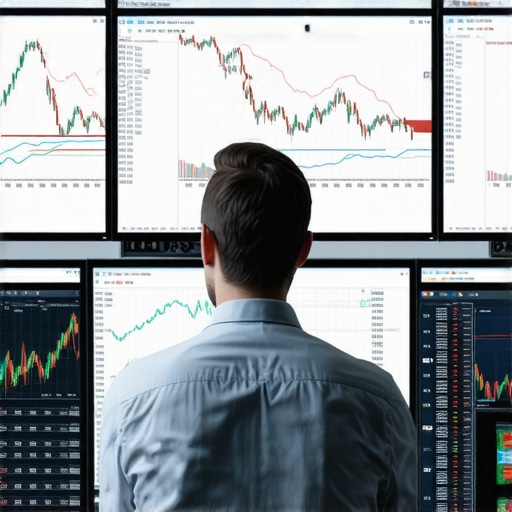
Inside the Gold Market: What Hidden Signals Are Experts Watching?
Advanced investors know that gold’s price is a reflection of intricate market forces, beyond surface-level supply and demand data. Decoding these latent signals involves scrutinizing central bank policy shifts, geopolitical tensions, and emerging technological demands. For instance, recent trends reveal that increased allocations in sovereign reserves aren’t merely accumulative—they often signal strategic diversification, foreshadowing prolonged bullish phases. Recognizing these subtle indicators can elevate your market timing and investment resilience dramatically.
Unveiling the Impact of Tech Innovation on Gold’s Future Supply Landscape
The integration of gold into high-tech applications, such as quantum computing and nanotechnology, is reshaping its supply chain dynamics. The surge in demand from these sectors prompts an evaluation of not only traditional mining constraints but also innovations in urban mining and recycling technologies. According to industry specialist reports from the World Gold Council, these advancements could mitigate some supply pressures, but also introduce new variables—like processing costs and regulatory hurdles—that influence market volatility and long-term pricing.

Expert Strategies to Hedge Against Systemic Risks Using Gold
In an increasingly interconnected global economy, systemic risks—ranging from political upheavals to financial contagions—necessitate sophisticated hedging techniques. Allocating a portion of one’s portfolio to physical gold, especially via allocated storage in geopolitical safe havens, provides tangible protection. Complementing this with derivative overlays, such as gold options or futures, allows precise risk management, optimizing returns during turbulent episodes. Mastery over these hybrid strategies demands not just market insight but also technical acumen, empowering investors to withstand shocks without sacrificing growth potential.
Emerging Data Streams Reshaping Gold Investment Decisions
The proliferation of alternative data sources, including satellite imagery of mining regions and real-time logistics tracking, introduces a paradigm shift in forecast accuracy. These tools provide actionable insights, such as unseen stockpile reductions or logistical bottlenecks, which preempt price movements. Investors integrating cutting-edge analytics—alongside traditional macroeconomic indicators—gain a competitive edge, enabling preemptive shifts in positions and more refined risk exposures.
Balancing Technical Indicators with Macro Trends for Precise Entry Points
When technical and macroeconomic signals align, they forge a powerful confluence for market entries. For example, a bullish breakout confirmed by a declining gold-to-silver ratio, coupled with rising inflation expectations and a dovish Fed stance, enhances confidence in an upward move. This layered approach mitigates false signals and fosters disciplined trading strategies. Advanced traders often employ Bayesian models to quantify the probability of success, adjusting their positions as new data becomes available—thus maintaining agility amidst market noise.
Maximizing Long-Term Growth with Gold-Backed Wealth Preservation
Structuring a portfolio for sustained growth involves integrating physical assets with strategic derivatives, factoring in macroeconomic forecasts and geopolitical stability. Gold IRAs and offshore vaults serve as vehicles to safeguard wealth, shielded from domestic policy risks. Moreover, understanding the role of emerging markets’ demand—particularly from Asia—can inform allocation strategies, ensuring that diversification considerations encompass not just asset classes but also geopolitical and currency exposures. Keeping abreast of these evolving factors empowers investors to craft truly resilient wealth preservation plans.
,
Expert Insights & Advanced Considerations
Uncover Hidden Market Currents That Signal Future Price Movements
Elite investors monitor not only supplydemand patterns but also subtle shifts in central bank behaviors and geopolitical tensions that can prelude major gold price movements. Recognizing these nuanced signals enables proactive positioning in the gold futures market.
Leverage Technology-Driven Data for Precision Timing
Utilizing real-time analytics, satellite imagery of mining regions, and sentiment analysis tools provides an edge by revealing supply constraints or surges in demand before they reflect in price charts, allowing for sharper entry and exit points.
Integrate Macro Predictor Models with Technical Signals
Combining macroeconomic indicators, like inflation metrics and interest rate policies, with technical analysis frameworks enhances accuracy in market timing, reducing false signals and improving risk-adjusted returns.
Curated Expert Resources
- World Gold Council Reports: Authoritative insights into global gold demand and supply trends, essential for understanding long-term market fundamentals.
- Gold Market Technicals Analysis: A comprehensive guide to technical indicators and breakout signals for gold.
- Central Bank Movements: In-depth exploration of monetary policies influencing gold supply and demand.
- Authentic Gold Verification: Techniques and tools to ensure physical gold integrity before purchase.
- Breakout Indicators: Data-driven signals that herald substantial gold price shifts.
Final Perspectives on Gold Futures Navigation
Harnessing a sophisticated understanding of market mechanics, supply-demand intricacies, and technical-tactical synergy elevates your capacity to navigate gold futures confidently. Recognizing and interpreting obscure yet telling signals can make the difference between reactive and strategic positioning. For those committed to an advanced mastery of gold investment, an ongoing engagement with specialized resources and real-time data analytics is indispensable. Dive deeper into premium insights or share your expertise—your input not only refines collective knowledge but also sharpens your strategic edge in the complex realm of gold markets.