
Unlocking the Complexities of Gold Market Analysis in a Volatile World
The realm of gold trading has evolved into a sophisticated domain where macroeconomic factors, geopolitical tensions, and technological advancements intertwine to shape price trajectories and demand patterns. As an expert in precious metals, understanding these layered influences is paramount for investors aiming for strategic positioning amidst shifting supply and demand landscapes.
Emerging Indicators Signal Potential Turning Points in Gold Prices
What Do the Recent Technical Indicators Suggest About Gold’s Future?
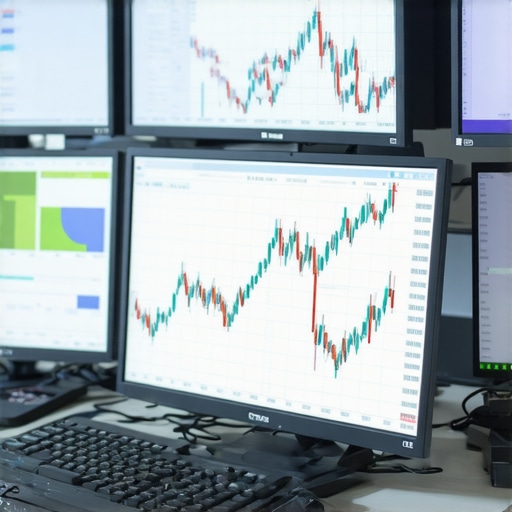
Recent analysis reveals three pivotal technical signals indicating gold prices might be approaching a new floor—an inflection point that warrants close scrutiny. These include a convergence of the 200-day moving average with declining volatility patterns, increased open interest in gold futures contracts, and a divergence in gold bullion demand from retail versus institutional players. Such signs echo historical patterns where multiple indicators align to forecast trend reversals, yet they also highlight the necessity of contextual interpretation within broader economic shifts. For comprehensive insight, refer to recent studies such as those found at 3 Data Signals That Show Why Gold’s Bottom Might Be Near.
The Role of Supply Dynamics and Demand Trends in Price Formation
Global supply chains face unprecedented strains—ranging from mining output disruptions to geopolitical embargoes—that fundamentally alter gold availability. Concurrently, demand is diversifying; technological sectors increasingly turn to gold for advanced electronics, while central banks adjust their reserves in response to currency fluctuations. Analyzing these factors through a supply-demand lens clarifies why traditional pricing models are insufficient and emphasizes the importance of nuanced market analysis.
How Strategic Investors Leverage Gold Bullion and Gold ETFs for Portfolio Resilience
Physical gold, in the form of bullion and bars, offers tangible security against financial system risks, but its storage costs and liquidity considerations demand careful management. Conversely, gold-backed ETFs provide liquidity and ease of access but introduce counterparty risk if held in paper form. A balanced approach, integrating insights from Why Physical Gold Beats Paper Assets During Market Crashes, enhances portfolio resilience amidst fluctuating market sentiments.
Understanding the Impact of Supply Chain Constraints on Gold Market Stability
Recent analyses highlight how bottlenecks—such as the Wedding Season spiking demand in India or production gaps—can create short-term price pressures. These supply shocks, coupled with demand surges, particularly in emerging markets, underscore the importance of deploying advanced analytics and real-time market intelligence for optimal decision-making. For instance, exploring how supply chain disruptions influence gold dealer pricing strategies can offer strategic advantages.
What Are the Most Reliable Methods to Detect a Trend Reversal in Gold Prices?
Identifying authentic trend reversals requires a combination of technical analysis, macroeconomic assessment, and geopolitical awareness. Key techniques include monitoring volume-price divergences, evaluating macroeconomic indicators like interest rate trajectories, and observing central bank reserve shifts. Moreover, understanding market sentiment shifts via candlestick patterns can provide early signals. For in-depth strategies, professional investors often assess multiple data points simultaneously, from gold futures positioning to geopolitical developments, reinforcing the importance of multi-layered analysis.
Engaging with this complex environment necessitates ongoing education—explore our comprehensive articles on How to Buy Gold Safely and Avoid Scams or contribute your insights to advance collective expertise.
,
Why Market Depth and Order Book Data Reveal Hidden Gold Trends
Traditional technical analysis provides valuable insights into gold price movements, yet it often overlooks the nuanced signals embedded within the market’s order book. By analyzing real-time bid-ask spreads, volume depth, and large order placements, savvy investors can detect subtle shifts indicating impending trend reversals or consolidations. These indicators, accessible through specialized trading platforms, can help differentiate between transient price spikes and genuine momentum shifts. For deeper understanding of how order flow impacts gold prices, consult expert analyses like How to Build a Gold-Backed Retirement Account.
The Influence of Central Bank Activities on Gold Supply and Demand
Beyond domestic market factors, central banks play a pivotal role in shaping global gold demand through their reserve management strategies. Recent shifts toward diversification—particularly into physical gold—are indicative of changing geopolitical perceptions and currency stability concerns. Tracking central bank reserve reports, along with their official gold leasing and sales data, can offer forward-looking signals about supply constraints and institutional demand. As reported by the World Gold Council, these activities significantly influence both spot prices and long-term market stability.
How Can Investors Accurately Interpret Market Sentiment Shifts in Gold Trading?
Market sentiment significantly influences short-term price movements, yet its interpretation often proves challenging due to conflicting data. Recognizing early sentiment shifts involves assessing diverse sources—social media trends, options market skewness, and news flow—coupled with technical signals such as volume surges and divergence patterns. Professional traders frequently employ sentiment analysis tools and sector-specific indices to gauge underlying emotional momentum, enabling more informed entry and exit points. For additional techniques on measuring investor sentiment, explore insights at How to Identify a Reliable Gold Dealer and refine your strategic responses accordingly.
If you’re curious about cutting-edge methods for detecting trend reversals before they fully materialize, sharing your insights or reading more expert strategies can enhance collective understanding and trading performance.
,
Harnessing Quantitative Models to Forecast Gold Price Swings
In today’s intricate gold market landscape, reliance solely on traditional technical analysis may no longer suffice. Implementing sophisticated quantitative models—such as machine learning algorithms, stochastic simulations, and neural networks—yields nuanced insights into potential price trajectories. These tools assimilate vast datasets encompassing macroeconomic indicators, geopolitical events, and market sentiment, allowing for pattern recognition beyond human capability. For instance, time-series forecasting models like ARIMA or LSTM networks have demonstrated remarkable accuracy in predicting short-term price fluctuations when calibrated with real-time data, as highlighted in rigorous financial research at PLOS ONE: Machine Learning in Commodity Price Forecasting.
Deciphering Divergences Between Gold Futures and Spot Markets
One compelling indicator of impending trend shifts involves analyzing discordances between futures contracts and spot gold prices. A persistent divergence might signal market participants’ growing uncertainty or the anticipation of geopolitical upheaval, prompting option traders and hedge funds to adjust their positions preemptively. For example, excessive premium in futures over spot could imply speculative buildup, potentially reversing when market corrections occur. Proactively monitoring these divergences, especially in conjunction with open interest and volume metrics, empowers traders to develop contrarian strategies rooted in market psychology.
Can Advanced Sentiment Analysis Outperform Conventional Indicators in Gold Trading?
Sentiment analysis, especially when harnessed with artificial intelligence, offers a compelling edge in predicting short-term market movements. By systematically scanning social media, news feeds, and options market data, algorithms can quantify investor mood and detect subtle shifts signaling trend reversals. Studies such as those published in *The Journal of Behavioral Finance* demonstrate that sentiment-based metrics often precede technical signals, enabling traders to capitalize on transient mispricings. Integrating these insights with traditional analysis cultivates a multi-layered approach, reducing reliance on any single unreliable indicator.
The Role of Macro-Financial Stress Tests in Gold Portfolio Optimization
Financial institutions frequently employ macro-financial stress testing to evaluate the resilience of their gold holdings under adverse scenarios. These models simulate the impact of hypothetical shocks—such as drastic interest rate hikes, currency devaluations, or geopolitical conflicts—on gold’s price and liquidity. By understanding potential vulnerabilities, portfolio managers can adjust asset allocations proactively, balancing physical holdings and ETFs to optimize returns while maintaining risk exposure within acceptable bounds. Engaging with institutions that specialize in financial risk management, including representations from the Bank for International Settlements, bolsters strategic planning amid unpredictability.
What Are the Hidden Risks in Relying on Automated Trading Algorithms for Gold Investment?
While algorithmic trading introduces efficiency and rapid execution, it also embeds risks—such as overfitting, flash crashes, and feedback loops—that can exacerbate market volatility. Algorithms may falsely interpret market anomalies or data glitches as signals, leading to abrupt liquidation or accumulation. Ensuring transparency in model design, implementing rigorous backtesting, and maintaining human oversight are critical measures to mitigate these hazards. As highlighted by industry experts in CFA Institute Reports, prudent risk controls are paramount for sustainable deployment of automated strategies in precious metals trading.
Beyond the Surface: Unveiling Deep Market Insights in Gold Trading
In the intricate world of gold market analysis, seasoned investors recognize that surface-level indicators often conceal profound underlying shifts. Employing advanced analytical approaches—such as integrating macroeconomic stress models with real-time order flow data—can expose subtle market currents that precede major price movements, enabling traders to position themselves advantageously. Such methodologies require a sophisticated understanding of financial systems, geopolitical nuances, and technological tools to interpret the complex tapestry of supply, demand, and sentiment signals that drive gold prices.
What Are the Limitations of Conventional Technical Indicators in Trend Prediction?
Traditional technical indicators like RSI and MACD serve as useful starting points; however, their reliability diminishes amid volatile, sentiment-driven markets. Experts advocate for supplementing these tools with machine learning algorithms that analyze vast datasets, capturing non-linear relationships and hidden patterns. A comprehensive approach involves cross-validating signals from multiple analytical frameworks to mitigate false positives, ensuring that trend reversals are not mistaken for transient anomalies. Insights from academic research, such as those published in the Journal of Financial Data Science, emphasize the importance of combining quantitative models with qualitative macroeconomic assessments for precision in gold trading strategies.
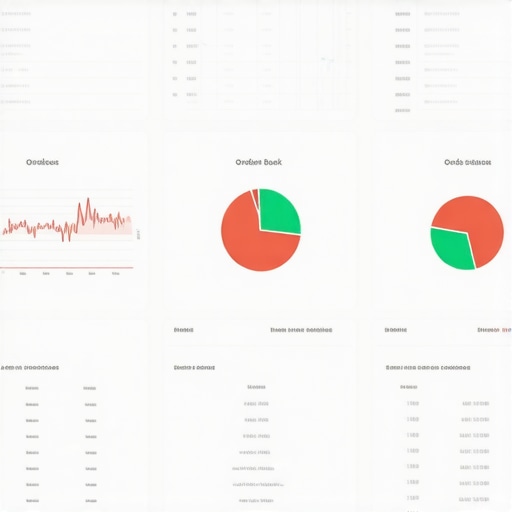
Illustration of an integrated analytical dashboard combining order book data, macroeconomic indicators, and machine learning predictions for gold prices.
Harnessing Sentiment and Geopolitical Factors for Strategic Positioning
Market sentiment often acts as an early warning system, especially when driven by geopolitical tensions or unexpected economic policy shifts. Advanced sentiment analysis employs natural language processing (NLP) to interpret news, social media chatter, and policy announcements, quantifying emotional momentum that can foreshadow trend reversals. Moreover, geopolitical developments—such as regional conflicts or central bank reserve adjustments—have a tangible impact on gold’s supply-demand equilibrium. Incorporating geopolitical risk indices into analytical models allows traders to anticipate shifts with higher confidence, transforming reactive trading into proactive strategizing.
How Can Quantitative Approaches Improve Gold Price Forecasting Accuracy?
Quantitative methods, spanning deep learning neural networks to stochastic modeling, have demonstrated remarkable success in capturing complex market behavior. By assimilating variables like interest rates, currency indices, and geopolitical event probabilities, these models generate probabilistic forecasts that help traders evaluate risk-reward profiles with heightened clarity. Detailed case studies reveal that integrating such models into trading routines not only enhances prediction accuracy but also fosters adaptive strategies that respond swiftly to unfolding market scenarios. For those seeking to leverage these tools, exploring resources like quantitative finance textbooks or specialized platforms such as QuantConnect offers valuable starting points.
Decoding Discrepancies Between Spot and Derivative Markets for Edge
Persistent divergences between spot gold and futures prices can signal underlying market skepticism or impending volatility. Well-versed traders monitor the futures basis— the difference between futures prices and spot—alongside open interest and trading volume, to assess market consensus. Sudden widening or narrowing of these spreads often coincides with geopolitical shocks or liquidity shifts, providing clues for contrarian positions. Engaging in such nuanced analysis demands a deep understanding of derivative market mechanics and knowledge of how large institutional players influence these dynamics, enabling strategic exploitation of these divergences.
What Are the Cutting-Edge Technologies Powering Next-Generation Gold Market Analysis?
Emerging technologies like blockchain analytics, AI-driven sentiment platforms, and high-frequency data feeds are revolutionizing gold trading strategies. Blockchain analytics uncover physical gold provenance and supply chain transparency, reducing counterparty risks. AI-powered sentiment platforms analyze millions of data points in real time, detecting subtle emotional shifts before they materialize into price actions. High-frequency data capture, coupled with machine learning, models rapid market fluctuations with remarkable responsiveness. Traders invested in these innovations position themselves ahead of conventional analysis, gaining a competitive edge in the fast-paced gold market landscape.
Strategic Diversification: The Hidden Power of Combining Physical Gold with Innovative Financial Instruments
Integrating physical gold holdings with emerging financial tools like gold-backed tokens and blockchain assets can enhance portfolio resilience. Experts emphasize that blending tangible assets with digital representations offers liquidity benefits and transparency, aligning with evolving market dynamics and technological advancements.
What Gamification and AI-Driven Analysis Mean for the Next Wave of Gold Investment
Artificial intelligence and gamified trading platforms are transforming how investors approach gold markets. By leveraging machine learning for predictive analytics and engaging interfaces for behavioral insights, sophisticated traders can identify subtle market shifts, optimize entry points, and stay ahead of volatility cycles.
Proactive Risk Management through Macro-Economic Stress Testing in Gold Portfolios
Employing advanced stress testing models allows investors to simulate extreme economic scenarios, such as sovereign defaults or currency collapses, and assess gold’s role as a safe haven. This proactive approach aids in fine-tuning allocations, ensuring preparedness for market upheavals and maintaining strategic resilience.
Expert Resources to Deepen Your Gold Market Knowledge
- World Gold Council: The leading authority providing comprehensive data on gold supply-demand trends, central bank activities, and market analysis.
- 3 Signs Gold Prices Are Approaching a Bottom: An advanced analysis focusing on technical signals indicating potential trend reversals.
- Central Bank Gold Strategies: Insights into how reserve management impacts global gold supply and demand.
- Building a Gold-Backed Retirement: Practical guide to diversifying retirement portfolios with physical gold and related assets.
The Essence of Gold Market Wisdom in Today’s Complex Environment
In the intricate tapestry of gold trading, the synthesis of technical acuity, macroeconomic foresight, and technological innovation defines success. Recognizing emerging indicators, integrating advanced analytics, and maintaining an adaptive stance form the bedrock of knowledgeable investing. Embracing these principles ensures that expertise, rather than reliance on superficial signals, guides strategic decisions. Engage deeply, share your insights, and stay at the forefront of gold market mastery—your future in precious metals depends on it.