

Deciphering the Nexus Between Sovereign Debt Trajectories and Gold Market Dynamics
In the realm of precious metals investing, understanding how escalating sovereign debt influences long-term gold price forecasts is essential for positioning a resilient portfolio. Sovereign debt levels have reached unprecedented heights globally, often prompting central banks and fiscal authorities to reassess their monetary strategies.
Unpacking the Mechanisms: Sovereign Debt as a Catalyst for Gold Appreciation
High sovereign indebtedness tends to erode confidence in fiat currencies, thereby fostering a robust environment for gold to serve as a hedge. As government debt expands, especially in emerging markets and economically stressed nations, the likelihood of inflationary pressures increases, making gold investments increasingly attractive for preserving purchasing power.
Expert Insights on Central Bank Gold Purchases Amid Debt Expansion
Observations reveal a strategic shift where central banks augment their gold reserves, as detailed in reports by the IMF. This move underscores the perceived value of gold as a safeguard against currency devaluation amid burgeoning sovereign liabilities.
Can Aggregate Sovereign Debt Levels Signal Imminent Long-Term Price Surges for Gold?
The correlation between escalating national debts and rising gold prices is complex but compelling. When debt metrics reach critical thresholds, risk-averse investors tend to reallocate assets into physical metals, pushing prices upward. However, market sentiment, monetary policy responses, and global economic stability also modulate this relationship, necessitating a nuanced approach to forecasts.
Integrating Gold Investment Strategies in a Debt-Heavy Environment
For discerning investors, diversifying into gold coins and bullion becomes a prudent maneuver, especially when considering the potential for central banks to favor sovereign-issued coins over other assets. Additionally, analyzing gold futures and mining stocks in light of sovereign debt trends can provide a layered strategy for long-term wealth preservation.
Emerging Trends and the Role of Gold in Geopolitical Uncertainty
Heightened sovereign debt levels often coincide with geopolitical tensions, which further bolster gold’s safe-haven appeal. As countries navigate debt restructuring and international credit ratings fluctuate, gold’s role as a stable store of value gains precedence among institutional and retail investors alike.
Given these dynamics, maintaining an informed perspective on sovereign debt trajectories is critical for refining gold price forecasts and optimizing investment decisions. Continuous monitoring of central bank gold purchase patterns, combined with macroeconomic indicators, informs a sophisticated approach tailored to future market conditions.
Exploring advanced gold investment strategies, such as leveraging gold futures or scrutinizing the gold-to-silver ratio, can further enhance portfolio resilience against sovereign debt-related risks.
For comprehensive guidance, consider consulting resources like the detailed analysis on gold ETFs versus physical assets. Staying ahead requires integrating macroeconomic insights with tactical investment maneuvers, especially in an era of rising sovereign liabilities.
Maximizing Your Gold Portfolio in a Debt-Driven World
Understanding the intricate relationship between sovereign debt levels and gold prices is vital for crafting a resilient investment strategy. Elevated national debts often lead investors to scrutinize alternatives like physical gold, which historically acts as a safeguard during currency devaluations. The act of diversifying into gold coins and bars can protect against unpredictable sovereign fiscal policies, as detailed in our analysis on the advantages of 1-ounce bars.
Deciphering Central Bank Moves in a High-Debt Environment
Many central banks proactively increase their gold holdings in response to surging sovereign liabilities, viewing it as a stabilizer in turbulent financial seas. These strategic gold reserve expansions, often overlooked by retail investors, are indicative of a broader shift towards tangible assets. According to the expert insights on gold ETFs versus physical metals, physical gold provides tangible security that paper assets cannot match in crisis scenarios.
How Predictable Is the Link Between Growing Sovereign Debt and Future Gold Prices?
This question taps into the core of macroeconomic forecasting. While there’s a clear historical correlation, the magnitude and timing of gold’s reaction to debt escalation are influenced by factors such as monetary policy interventions, geopolitical events, and investor sentiment. Evaluating metrics like the gold-to-silver ratio or examining the behavior of gold futures can offer forward-looking signals to refine your investment approach.
One effective method involves monitoring the market signals indicating gold bottoming out, which often precede substantial upward movements in response to debt concerns. Additionally, staying informed about central bank purchases through sources like the IMF reports ensures your strategy remains aligned with emerging global trends.
Innovative Tactics for a Debt-Heavy Portfolio
Incorporating a mix of physical assets—such as sovereign-issued coins—and strategic use of gold futures can optimize your long-term wealth preservation efforts. For example, understanding how to navigate premiums when buying bullion, or recognizing the signs of market peaks and troughs, empowers investors to act decisively. Exploring resources like our guide on detecting counterfeit gold adds an extra layer of security to your acquisitions.
Gold’s Resilience in a Politically Turbulent Climate
As sovereign debts entangle countries in complex geopolitical negotiations, gold’s reputation as a safe haven solidifies. During times of debt restructuring or international credit disputes, gold’s role as a stabilizer is reinforced, making it an essential component of a diversified portfolio. Notably, the recent uptick in gold demand from emerging markets underscores its importance in global economic stability.
To deepen your understanding of optimal gold accumulation amid these risks, consider exploring comprehensive strategies outlined in our guide on gold-backed retirement accounts. Staying vigilant and adaptable ensures your assets remain protected as macroeconomic landscapes evolve.
Mastering the Nexus: Sovereign Debt Buildup as a Catalyst for Long-Term Gold Gains
In an era where fiscal irresponsibility frequently impacts global markets, the intricate relationship between sovereign debt escalation and gold’s trajectory manifests with heightened significance. Countries experiencing unsustainable debt levels often trigger a chain reaction: inflation fears amplify, fiat currencies weaken, and investors seek refuge in tangible assets like gold. Such shifts redefine portfolio resilience strategies and underscore the necessity of dissecting macroeconomic signals with precision.
Unlocking the Expert’s Toolbox: Quantitative Indicators Overlooked in Debt-Gold Interplay
While conventional wisdom emphasizes debt-to-GDP ratios, advanced investors delve deeper, analyzing metrics such as the Sovereign Debt Spread—comparing a nation’s borrowing costs to benchmark countries—to infer market perceptions of fiscal stability. A widening spread often presages increased gold demand, as risk premiums push investors toward secure havens. Coupled with the analysis of real interest rates—particularly negative yields—these indicators offer predictive power for upcoming gold price movements.
Recent research by the Barchart Academic Insights highlights that countries with high debt accumulation and concomitant negative real yields experience persistent upward pressures on gold prices, serving as an essential resource for sophisticated strategies.
How do Sovereign Credit Ratings Impact Gold’s Long-Term Performance?
Credit rating agencies such as S&P, Moody’s, and Fitch conduct comprehensive evaluations of national fiscal health. Downgrades can signal increased systemic risk, often correlating with surging gold demand. Conversely, ratings upgrades or stable outlooks may moderate gold’s appeal temporarily, despite underlying debt levels. Integrating these nuances into investment models enables precise timing for entry and exit points in gold positions—vital for institutional-grade portfolios.
Engage with tools like the Fitch Sovereign Ratings to stay ahead, aligning your assets with macro scoring that signals shifts in risk appetite and liquidity conditions.
Strategic Asset Allocation: Balancing Physical Gold and Derivative Instruments in Elevated Debt Terrains
Transitioning from traditional holdings to more complex strategies involves intricate planning. For example, considering gold ETF derivatives allows nimbleness in volatile debt environments, while physical coins and bars provide security against systemic collapse. Sophisticated investors often deploy options strategies—such as calls and puts—to hedge exposure against timing uncertainties driven by sovereign debt dynamics.
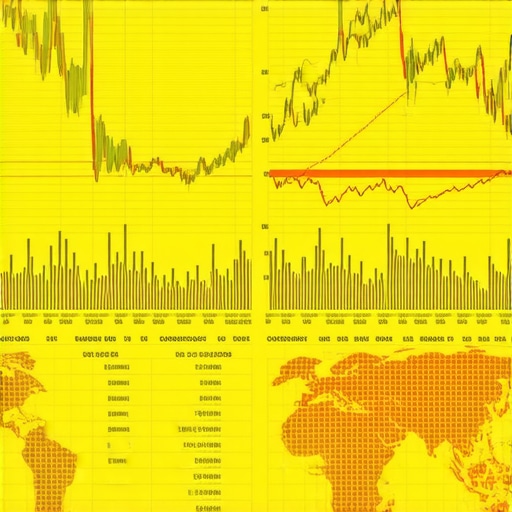
Incorporating gold futures into an active trading approach can capitalize on short-term debt-driven market swings, provided one employs rigorous technical analysis, including volume and open interest metrics. Reading reports from institutions like the World Gold Council illuminates global demand patterns and potential price catalysts emerging from sovereign fiscal policies.
The Interplay of Geopolitical Tensions and Debt Accumulation: A Tipping Point for Gold Surge
When sovereign debts reach critical mass, the likelihood of geopolitical flashpoints rises. Debt crises can catalyze protectionist policies, currency devaluations, and capital controls—each reinforcing gold’s appeal as an uncontested store of value. Notable examples include the European debt crisis and the ongoing cryptocurrency debates in nations with unstable fiat currencies, where gold remains a trusted hedge.
Advanced investors explore cross-asset correlations—such as the gold-to-crude oil ratio—to anticipate real-world inflationary shocks stemming from debt restructurings. As analysis becomes more nuanced, integrating geopolitical risk indices with quantitative debt metrics reveals a sophisticated picture, guiding tactical asset allocation decisions.
As you deepen your comprehension of sovereign fiscal health and its influence on gold, consider participating in specialized forums and subscribing to macroeconomic analytics services. These resources expand your insights, empowering proactive adjustments aligned with unfolding fiscal narratives.
The Hidden Drivers: Quantitative Metrics That Signal Gold’s Next Leap
While conventional analysis emphasizes debt-to-GDP ratios, seasoned investors scrutinize specialized indicators such as the Sovereign Debt Spread—which measures a country’s borrowing costs relative to benchmark nations—to gauge fiscal vulnerabilities. An expanding spread often precedes a surge in gold demand, reflecting investor apprehension about potential defaults or inflationary spirals. Furthermore, monitoring real interest rates, especially negative yields on government bonds, provides critical context: as real returns dip below zero, gold’s disinflation hedge becomes increasingly attractive, setting the stage for price appreciations.
Can Credit Rating Fluctuations Foretell Gold Market Shifts?
Indeed, shifts in sovereign credit ratings, bestowed by agencies like Fitch, Moody’s, and S&P, serve as real-time barometers of fiscal health. Downgrades often elevate perceived systemic risk, prompting capital flows into tangible assets such as gold. Conversely, stable ratings amidst rising debt levels may signal impending market stress, especially when coupled with deteriorating fiscal metrics. Integrating these qualitative assessments with quantitative debt indicators enables investors to anticipate pivotal inflection points in gold’s price movements with greater precision.

Leveraging Derivatives for Strategic Gold Exposure Amid Sovereign Fiscal Risks
Advanced portfolios exploit derivatives—options, futures, and swaps—to fine-tune exposure to gold, especially during periods of elevated sovereign indebtedness. For instance, purchasing call options on gold allows for leveraged participation in upward price movements triggered by debt-induced inflation fears, while maintaining limited downside risk. Similarly, short-term futures enable nimble positioning aligned with macroeconomic signals, such as impending debt restructurings or currency devaluations. Mastery of these instruments demands rigorous technical analysis and an understanding of global liquidity trends.
Geostrategic Tensions Amplify Gold’s Safe-Haven Role
High sovereign debt loads often serve as catalysts for geopolitical tensions—trade disputes, currency conflicts, or even territorial disputes—each reinforcing gold’s role as a universal store of value. As nations grapple with fiscal crises, protectionist policies emerge, and foreign reserve allocations pivot towards bullion holdings. Global events such as debt crises in Europe or Asia have historically precipitated upticks in gold demand, underscoring the importance of integrating geopolitical risk metrics into investment decision frameworks.
Sources such as the World Gold Council’s comprehensive reports provide granular insights into regional demand dynamics shaped by sovereign fiscal policies. These details facilitate nuanced asset allocations tailored to emerging geopolitical and macroeconomic landscapes.
Participant Engagement: Elevate Your Gold Strategy with Sophisticated Analysis
Harnessing specialized indicators and derivative strategies elevates your capacity to navigate complex debt environments. Engage with authoritative datasets and cutting-edge analytical tools—such as sovereign risk indices and macroeconomic composites—to refine timing and risk management. Subscription services and expert networks offer invaluable real-time intelligence—crucial for executing precision trades in increasingly volatile markets. Embrace these advanced techniques to fortify your portfolio against sovereign debt-induced turbulence and set the stage for long-term wealth preservation.
Expert Insights & Advanced Considerations
Amplify Portfolio Resilience with Diversified Gold Holdings
In an environment marked by rising sovereign debt, expanding physical gold allocations—such as bullion and sovereign coins—can significantly hedge against currency devaluation and inflation. Combining these with carefully selected gold mining stocks and futures offers a layered defense, adaptable to shifting macroeconomic signals.
Leverage Quantitative Metrics for Timing Entry Points
Monitoring indicators like the sovereign debt spread and real interest rates provides a mathematical edge. A widening debt spread coupled with negative real yields often signals a nearing gold rally, empowering proactive asset allocation adjustments that can compound returns during debt crises.
Sync Investment Moves with Central Bank Reserve Strategies
Central banks’ strategic gold purchases—detected through reports from institutions like the IMF—highlight institutional confidence in gold. Keeping abreast of these trends allows investors to anticipate market shifts and align their positions accordingly, capturing gains before mainstream awareness triggers movement.
Embrace Derivative Strategies for Tactical Flexibility
Options, futures, and swaps serve as potent tools for refining exposure amid sovereign fiscal turmoil. Deploying call options during expected price surges or hedging with puts during volatility spikes ensures your portfolio remains responsive, optimizing risk-reward ratios in turbulent times.
Integrate Geopolitical and Economic Risk Assessments
Advanced investors correlate geopolitical tensions with evolving debt levels, utilizing tools like the gold-to-silver ratio and regional risk indices. This comprehensive analysis elevates decision-making, helping to preempt price swings induced by sovereign defaults or international disputes.
Curated Expert Resources
- World Gold Council’s In-Depth Reports – Offers detailed demand and supply analysis, highlighting how sovereign fiscal policies influence global gold markets.
- IMF’s Gold Reserve Updates – Essential for tracking central bank accumulation patterns, signaling institutional sentiment shifts.
- Academic Research on Sovereign Debt and Gold – Provides quantitative insights into how debt spreads and real yields forecast future gold movements, enhancing strategic timing.
- Fitch and S&P Credit Rating Data – Permits real-time assessment of country risk levels, supporting proactive asset positioning.
- Specialized Financial Analytics Platforms – Tools like Bloomberg Terminal or FactSet offer customizable dashboards for macroeconomic and geostrategic indicators, vital for high-level investors.
Craft Your Edge with Expert Perspectives
Recognizing the nuanced relationship between sovereign debt trajectories and gold’s performance elevates your investment approach beyond conventional wisdom. Deepening your understanding of macro signals, quantitative indicators, and institutional behaviors empowers you to navigate complex markets with confidence. Engage with the latest research, leverage advanced analytical tools, and revisit your strategy periodically—resilience in gold investment preference is built on continuous learning and adaptation. For those determined to stay ahead, exploring our comprehensive resources and participating in expert forums can catalyze your growth as a savvy gold investor.