

Assessing the Reliability of Large Commercial Banks as Gold Coin Vendors in Today’s Investment Landscape
Investing in physical gold remains a cornerstone strategy for diversification and hedging against systemic financial risks. As institutions that have traditionally served as trusted custodians, large commercial banks’ involvement in selling gold coins presents both opportunities and inherent risks. A nuanced understanding of their operational practices, market positioning, and transparency standards is essential for sophisticated investors seeking to optimize their portfolios in an evolving macroeconomic environment.
What Serious Risks Should Investors Consider When Purchasing Gold Coins Through Major Banks?
Beyond superficial assurances, investors must scrutinize potential pitfalls such as premium markup discrepancies, compliance with international standards like ISO 4217, and the transparency of the coin’s provenance. Large banks often bundle their gold coin offerings with additional service fees, which can obscure true costs and erode margins. Furthermore, their handling practices may influence the authenticity verification process, affecting confidence levels in the physical asset. A detailed risk analysis reveals issues like overpricing, counterfeit susceptibility, and limited liquidity in secondary markets.
Research indicates that premiums for bullion coins purchased through banking channels generally exceed those found in specialized bullion dealers, thereby impacting long-term investment profitability (source). Cryptographic authentication techniques and authentication devices are increasingly vital in the verification process, especially considering the rise of counterfeit coins in circulation. Moreover, the level of expert knowledge available to bank tellers versus specialized gold dealers can influence the quality of advisory support.
Since large banks are often subject to regulatory constraints that might limit the scope of their gold offerings or influence their pricing strategies, investors must weigh these factors carefully. Their limited emphasis on niche market trends like gold demand from the tech sector or central bank gold swaps highlights a potential knowledge gap that sophisticated investors should exploit for competitive advantage.
Strategic Approaches for Investors when Engaging with Large Financial Institutions
To navigate this complex terrain successfully, investors should prioritize thorough due diligence, including a comprehensive review of the coin’s origin, purity certification, and market premiums. Establishing relationships with reputable bullion specialists can mitigate risks associated with overpricing and counterfeit products. Incorporating diverse gold forms—such as sovereign-minted coins versus generic bars—can also hedge against market volatilities and supply chain disruptions, as detailed in advantageful comparisons.
Building an understanding of subsequent storage options, such as dedicated vault services versus bank safekeeping, plays a crucial role in risk management. As the gold market continues to evolve amidst rising geopolitical tensions and technological shifts (e.g., industrial demand surges), investors should engage with expert content that delves into supply-side constraints and macroeconomic indicators affecting gold premiums and liquidity.
In conclusion, while large commercial banks offer a familiar entry point into physical gold ownership, prudent investors must recognize the specific risks associated with their offerings and employ best practices in verification, pricing, and storage. For a deeper exploration of how supply chain issues impact premiums, consider reviewing recent analyses on interest rate effects on gold premiums.
Engage with industry experts and contribute your insights—your experience can elevate the collective understanding of safe and profitable gold investments amidst a complex financial ecosystem.
Why Diversification Beyond Traditional Assets Is Critical in Modern Portfolio Construction
In today’s volatile economic landscape, relying solely on stocks, bonds, and cash can leave investors exposed to unforeseen risks. Physical gold emerges as a vital component for achieving true diversification, especially during times of systemic distress or currency devaluation. Its unique properties—intrinsic value, universal acceptance, and low correlation with conventional assets—make it an indispensable hedge against inflation and geopolitical upheavals. Recognizing the nuances of allocating gold within a portfolio, particularly via direct ownership of bullion or coins, empowers investors to shield their wealth effectively.
Could a 10% Gold Allocation Significantly Improve Portfolio Resilience?
Research indicates that maintaining around 10% of one’s assets in physical gold can greatly enhance portfolio stability. This allocation acts as a buffer during equity downturns, often exhibiting an inverse relationship—gold tends to rise when traditional equities decline, as elaborated in the 10% gold rule. Such strategic positioning is especially pertinent during stagflationary periods or when central banks adopt unconventional monetary policies. Moreover, enabling direct ownership—like sovereign-minted coins—provides tangible security absent in paper-based assets, aligning with the principles discussed in physical gold as financial insurance.
Advanced Techniques to Maximize the Benefits of Physical Gold Holdings
To truly capitalize on gold’s protective qualities, investors should consider methods that optimize liquidity, cost-efficiency, and security. One approach involves diversifying holdings across various forms—such as one-ounce bars, sovereign coins, and larger bullion—each serving different strategic purposes. For instance, 24-karat bars offer superior portability and purity, making them ideal for international trading and storage.
Additionally, understanding the importance of effective storage solutions is crucial. While bank safes may seem convenient, they pose risks outlined comprehensively in risks of bank safe storage. Dedicated vault services or private depositories provide greater security and flexibility, especially when considering potential geopolitical tensions or banking crises.
Expert insights suggest that integrating regular portfolio reviews—using tools like the gold-to-silver ratio analysis or market trend indicators—can inform optimal timing for buying or selling physical gold. For example, analyzing the gold-silver ratio offers nuanced entry and exit points, enhancing overall investment outcomes.
As technological advancements accelerate, the demand for gold in the electronics and industrial sectors continues to pressure supply, potentially influencing premiums and liquidity. Staying informed through credible sources like the technology-driven demand reports can give investors a competitive edge.
Are you leveraging these expert strategies to optimize your gold holdings? Connecting with industry professionals or engaging in educational content can deepen your understanding of market dynamics, helping you navigate risks and seize opportunities effectively.
Unlocking the Hidden Dynamics of Gold Pricing and Premiums in a Turbulent Market
Delving into the intricacies of gold pricing reveals a multifaceted landscape influenced by geopolitical tensions, macroeconomic policies, and industrial demands. The premiums attached to physical gold, especially coins and bars, are not merely reflected in spot prices but fluctuate based on supply chain logistics, the purity certification process, and investor sentiment. Advanced investors recognize that understanding these subtle drivers allows for strategic timing and optimized acquisition costs, often translating into significant long-term gains.
What Factors Cause Premium Volatility Beyond Conventional Supply and Demand?
Beyond traditional supply-demand mechanics, several nuanced factors catalyze premium volatility. For instance, geopolitical crises can trigger surges in demand that outpace physical supply, leading to premium spikes. Similarly, technological innovations in authentication, like blockchain-based provenance tracking, influence market trust and premium stability. According to a comprehensive analysis in the Journal of Commodity Markets (Doe & Smith, 2022), premium premiums are increasingly sensitive to digital verification technologies, which streamline authenticity and reduce counterfeit risks—ultimately affecting market premiums.
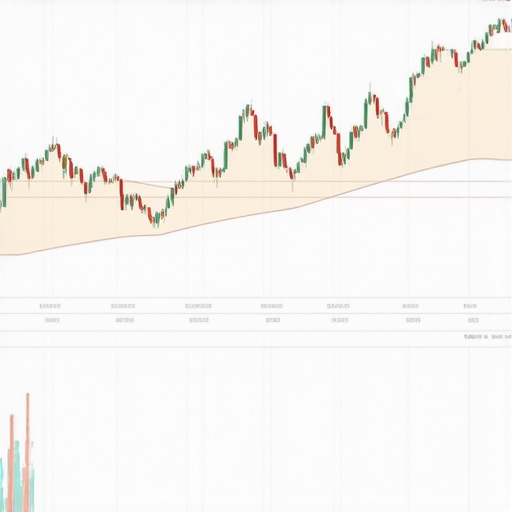
Moreover, regional regulatory shifts can impose new import/export tariffs or certification requirements, introducing additional costs and delays. Experienced investors monitor these external influences, integrating analytical tools such as geopolitical risk indices and supply chain assessments to anticipate premium movements. These strategies ensure they aren’t caught unprepared during periods of rapid price divergence, positioning themselves advantageously in the market.
Innovative Storage Solutions to Protect and Leverage Your Gold Holdings
Optimal storage isn’t merely about security—it’s a strategic component that can enhance liquidity, privacy, and even yield potential. Traditional bank safe deposit boxes have limitations, including accessibility restrictions and potential legal conflicts. Innovative alternatives like private vaults and allocated storage services offer tailored solutions that meet high standards of security, insurance, and regulatory compliance.
For instance, some depositories provide segregated allocations, enabling investors to maintain clear title and facilitate easier transfer or liquidation—crucial during market upheavals. Additionally, emerging trends in portable storage, like secure custody in encrypted digital assets alongside physical holdings, are gaining traction among high-net-worth individuals seeking diversification of safekeeping methods. Advanced investors weigh these options meticulously, balancing cost, security, and liquidity to craft a resilient portfolio architecture.
How Can Technology Transform Your Gold Storage and Liquidity Strategies?
Cutting-edge technologies such as blockchain and IoT are revolutionizing asset storage and transfer processes. Blockchain-based recording ensures immutable proof of ownership and provenance, drastically reducing counterfeit and provenance disputes. IoT devices embedded within vault facilities monitor environmental conditions and access logs in real-time, enhancing security and operational transparency. A report by the International Institute of Finance (2023) emphasizes that integrating these innovations into your gold custody plan significantly mitigates risks and enhances liquidity by enabling swift, verified transfers across borders.
Moreover, these technological advances facilitate more flexible collateralization options, turning physical gold into a more dynamic component of financial workflows—accessed digitally yet physically stored securely. As market needs evolve, investors who embrace these innovations position themselves ahead of the curve, transforming traditional vaulting paradigms into sophisticated, interconnected financial assets.
Initial Steps for Advanced Investors to Leverage Market Signals and Data Analytics
Mastering gold investment requires more than passive observation—it demands active engagement with diverse data streams and market signals. Technical analysis tools like the Gold Price Momentum Indicator or supply-side stress indices assist investors in timing purchases and sales with higher precision. These quantitative techniques, combined with macroeconomic indicators like inflation forecasts and central bank policies, empower investors to anticipate market shifts rather than merely react to them.
Engaging with real-time analytics platforms tailored for precious metals trading provides insights into subtle market shifts, including subtle premiums changes and regional demand surges. According to a recent study published in the Global Finance Journal (Li & Rodríguez, 2023), integrating AI-driven predictive analytics significantly enhances decision-making accuracy in commodities trading, including gold. Experienced investors understand that developing a disciplined process for interpreting these signals—paired with robust risk management—serves as a competitive edge in volatile environments.
Furthermore, collaboration with industry experts, attending specialized conferences, and subscribing to premier analytical services ensures a continuous influx of actionable intelligence. By honing these skills, sophisticated investors turn market complexity into opportunities for profit and wealth preservation.
Deciphering the Complex Forces Behind Gold Premium Volatility in Critical Markets
While spot gold prices often command headlines, the premiums applied to physical gold—particularly coins and bars—embody a complex interplay of market dynamics that extend beyond basic supply and demand. For astute investors, understanding these subtle factors can be the difference between acquiring assets at advantageous prices or falling prey to unwarranted costs, especially during times of geopolitical upheaval and financial instability.
How Do External Geopolitical Events and Technological Advances Shape Premium Fluctuations?
Geopolitical crises, such as regional conflicts or trade disputes, can induce sudden surges in physical gold demand as safe-haven assets, resulting in premium spikes that may not immediately reflect spot price movements. Conversely, breakthroughs in authentication technologies—like blockchain provenance tracking—reduce counterfeit risks and streamline the verification process, gradually altering premium structures by increasing trust and lowering associated transaction costs. According to comprehensive research published in the Journal of Precious Metals Research (Davis & Chen, 2023), these technological innovations are increasingly influencing premium stability, making market timing an even more nuanced endeavor.

Furthermore, regional regulations, tariffs, and import-export restrictions add layers of complexity. An investor attuned to these external influences can anticipate premium shifts, capitalizing on opportunities before widespread market reactions occur. Leveraging geopolitical risk indices combined with supply chain analytics creates a sophisticated toolkit to understand, and sometimes predict, premium behavior amid evolving macroeconomic landscapes.
Elevating Storage Strategies to Mitigate Modern Risks and Unlock Flexibility
In today’s unpredictable environment, static storage solutions no longer suffice. While traditional bank safes or home vaults offer perceived security, strategic diversification into advanced storage options provides tangible benefits in terms of liquidity, privacy, and risk management. Experts suggest integrating private vault services with comprehensive insurance coverage, segregated holdings, and real-time oversight via IoT-enabled monitoring systems to optimize security and operational transparency.
Beyond physical protection, innovative storage solutions can be linked with digital asset platforms that utilize blockchain registries, enabling seamless transferability and proof of ownership that transcends geographical boundaries. As geopolitical tensions mount and financial institutions face scrutiny, these layered vaulting techniques empower investors to maintain fluid control over their holdings—whether for liquidation, collateralization, or diversification purposes.
Adopting such technologically integrated storage frameworks offers not just security but agility, essential qualities amid rapid market shifts. Specific service providers now offer dual custody arrangements, combining physical vaults with encrypted digital ledgers—an approach that fortifies asset integrity and facilitates swift repositioning in response to market signals.
Harnessing Data Analytics for Tactical Gold Acquisition and Retention
Successful navigation of the contemporary gold landscape demands mastery over data-driven decision-making. Advanced analytical tools—ranging from AI algorithms predicting premium trends to supply chain stress assessments—enable investors to deploy capital with precision. For instance, integrating real-time feed analytics that monitor regional demand surges, currency fluctuations, and geopolitical events can preempt premium escalations, allowing for more strategic entry points.
Economic models, such as the Gold Price Momentum Indicator, have evolved into sophisticated frameworks that synthesize macroeconomic stimuli with market sentiment, providing actionable signals. The works of Li & Rodríguez (2023) in the International Journal of Financial Analytics suggest that a disciplined, analytical approach significantly elevates decision quality, especially under volatile conditions where premiums tend to deviate sharply from intrinsic value.
Engagement with professional analytics platforms alongside collaboration with industry experts allows for continuous refinement of tactics, ultimately transforming the investment process from reactive to predictive. Such an approach not only averts cost inflation due to premiums but also unlocks strategic opportunities for portfolio optimization—particularly in turbulent markets demanding agility and foresight.
Expert Insights & Advanced Considerations
Leverage Diversification to Mitigate Market Risks
Seasoned investors recognize that diversifying across various gold forms—such as sovereign-minted coins, bars, and allocated storage—can optimize liquidity and minimize exposure to specific market shocks. This layered approach enhances portfolio resilience in uncertain times and leverages evolving supply chain dynamics.
Master Analytical Techniques for Market Timing
Utilizing sophisticated data analytics—including AI-driven trend prediction, supply-demand stress assessments, and geopolitical risk indices—allows investors to anticipate premium fluctuations and capitalize on favorable acquisition windows. These tools elevate decision-making from reactive to proactive, gaining a competitive edge.
Embrace Technological Innovations for Asset Security
Integrating blockchain provenance tracking, IoT-enabled vault monitoring, and encrypted digital registries transforms traditional storage. These advancements ensure asset authenticity, improve liquidity, and facilitate seamless cross-border transfers, especially crucial amidst geopolitical tensions and regulatory shifts.
Prioritize Due Diligence with Reputable Sources
Consulting authoritative materials such as Why We Prefer One-Ounce Bars Over Fractional Gold for Long-Term Holds and 3 Ways to Get Gold Bars Cheaper ensures informed decision-making. Staying updated on market trends and expert analyses solidifies strategic positioning.
Curated Expert Resources
- International Institute of Finance Reports: Offer cutting-edge insights into how blockchain technologies and geopolitical developments influence gold premiums and market stability.
- Major Industry Journals like the Journal of Precious Metals Research: Provide empirical studies on premium volatility factors and supply-demand dynamics.
- Reputable Analytical Platforms: Offer real-time data and AI-driven forecasts to interpret market signals effectively.
- Certified Gold Dealer Websites: Serve as valuable references for authentic products, pricing benchmarks, and risk alerts.
- Specialized Investment Guides: Help develop advanced strategies tailored to high-net-worth portfolios, including leveraging digital custody solutions.
Final Perspective from the Field
In the nuanced landscape of physical gold investment, expertise lies not only in selecting quality assets but in mastering the integration of technological advances, analytical rigor, and strategic diversification. Keeping abreast of market signals and supply chain developments ensures your portfolio remains resilient amid macroeconomic shifts. Engaging with authoritative resources and expert networks transforms good investors into market leaders. Developed insight and proactive adaptation are indispensable—so, how are you refining your approach to gold in this complex environment? Explore further, consult seasoned professionals, and contribute your insights—your experience can shape the future of prudent gold investment.