

Reevaluating Gold Investment Strategies Amid Evolving Global Markets
As the landscape of precious metal investments shifts driven by geopolitical tensions, monetary policies, and technological demands, discerning the most secure vehicles for gold exposure becomes paramount. Institutional investors and seasoned traders continuously seek optimal balance between risk mitigation and growth potential, prompting a reevaluation of traditional equities such as gold mining stocks versus more stable, tangible assets like gold-backed mutual funds.
Complex Dynamics of Gold-Backed Mutual Funds in Modern Portfolio Construction
Unlike direct investment in physical gold or gold mining equities, gold-backed mutual funds encapsulate a diversified basket of physical bullion and gold-related financial instruments, offering a blend of liquidity, transparency, and security. These funds often employ comprehensive audit processes, transparent storage practices, and managed risk protocols, aligning with institutional standards to safeguard investor capital, especially in volatile markets.
The Intrinsic Advantages of Gold-Backed Mutual Funds Over Mining Stocks
One core benefit lies in the intrinsic stability derived from physical gold holdings, which act as a hedge against systemic risks, inflation, and currency fluctuations. Conversely, gold mining stocks are vulnerable to operational risks, geopolitical regulations, and company-specific management issues, which can detach their performance from gold’s actual market trajectory. Investing through mutual funds mitigates these company-specific risks, providing a more reliable correlation with gold’s value trends.
Expert Insights on Risk Management and Diversification
According to academic research, the diversification that gold-backed mutual funds offer can substantially lower portfolio volatility, especially during times of economic downturn or market turbulence. Professional portfolio managers leverage these vehicles to implement systematic hedging strategies, balancing exposure across various gold holdings and derivatives to optimize risk-adjusted returns.
Can Gold-Backed Mutual Funds outpace Physical Gold in Performance During Financial Crises?
This question remains at the forefront of strategic planning among high-net-worth individuals and institutional asset allocators. While physical gold guarantees ownership and immediate liquidity, mutual funds often offer superior flexibility, ease of liquidation, and potential tax advantages, making them a compelling alternative during unprecedented market shocks.
For investors aiming to enhance portfolio resilience, integrating gold-backed mutual funds could serve as a prudent approach—merging the safety net of physical gold with the efficiency and professional management inherent in mutual fund structures. Consider exploring detailed analyses on the dynamics of gold demand trends, especially as they relate to central bank gold purchases, which have historically presaged shifts in gold prices and investor sentiment (source).
Engaging with these nuanced investments demands expertise and continuous market vigilance. For seasoned investors, sharing insights and experiences on gold mutual funds’ performance during turbulent periods can contribute to the broader understanding of their defensive capabilities—your analytical perspectives could be invaluable for others navigating today’s uncertain financial terrain.
Learn more about safeguarding your assets: Why physical bullion remains the cornerstone of wealth preservation.
Harnessing Gold’s Potential During Turbulent Markets
In today’s unpredictable economic climate, savvy investors recognize the importance of balancing their assets with tangible, safe-haven investments like gold. While gold-backed mutual funds offer diversification and professional oversight, some seasoned investors question whether they can outperform direct holdings of physical gold during periods of extreme volatility. The answer lies in understanding the nuanced dynamics that influence global gold demand and its role in a resilient portfolio.
Rethinking Traditional Gold Allocation Strategies
Conventional wisdom suggests allocating around 10% of a diversified portfolio to gold to hedge against inflation and systemic risks. However, recent shifts in central bank policies and technological innovations have altered gold’s role in the financial ecosystem. For example, increased central bank gold purchases often precede bullish trends in gold prices, signaling institutional confidence in gold’s long-term store of value (source). By monitoring these macro shifts, investors can fine-tune their allocations to optimize performance and risk mitigation.
Evaluating the Performance of Gold-Backed Mutual Funds vs. Physical Gold in Crisis Scenarios
During periods of economic stress, liquidity becomes paramount. While physical gold provides immediate ownership and is unaffected by counterparty risk, gold-backed mutual funds often simplify the process of liquidation and may offer tax efficiencies. Furthermore, some funds employ derivatives and leverage strategies to enhance gains, although this can introduce additional risks. Notably, the flexibility and professional management of mutual funds can enable quicker adjustments to changing market conditions, potentially outperforming direct holdings during rapid market downturns, especially when considering the costs and delays associated with selling physical assets.
Are Superior Liquidity and Management Really the Key to Gold’s Outperformance in Crisis?
This critical question underscores the importance of strategic planning. The ability to swiftly liquidate or reallocate gold holdings without significant premiums or delays can be a decisive factor when markets turn volatile. Investing in carefully selected gold mutual funds that prioritize transparency and liquidity can bridge gaps that might otherwise expose investors to opportunity costs or liquidity crunches.
For an even deeper understanding of market signals influencing gold investment strategies, exploring insights on demand trends driven by technological sectors can provide an edge (source). Ultimately, aligning your investment approach with macroeconomic indicators and institutional behaviors will position you better in navigating uncertainties.
Interested in refining your gold investment techniques? Sharing your experiences with different gold vehicle performance during market distress could illuminate effective strategies and foster collective growth in knowledge. Engaging with expert analyses and market data ensures your gold holdings contribute meaningfully to your financial resilience.
,
Maximizing Portfolio Resilience with Gold ETFs in Turbulent Markets
Gold exchange-traded funds (ETFs) have emerged as a sophisticated tool for institutional and individual investors seeking liquidity, diversification, and exposure to gold’s inherent safe-haven properties. Unlike physical gold, ETFs offer the advantage of ease of trading, fractional ownership, and seamless integration into complex portfolios, making them indispensable for modern asset allocation strategies.
What Makes Gold ETF Selection Critical for Advanced Investors?
Choosing the right gold ETF requires meticulous analysis beyond superficial metrics. Experienced investors scrutinize factors such as expense ratios, tracking accuracy, liquidity metrics, and the fund’s underlying holdings—whether physical bullion, derivatives, or a combination thereof. For instance, ETFs like SPDR Gold Shares (GLD) directly hold allocated physical gold, while others may employ future contracts, introducing different risk profiles and tracking efficiencies.
In addition, understanding the fund’s management approach, counterparty exposure, and storage practices informs risk assessment. A well-structured gold ETF aligns with broader macroeconomic insights and tactical adjustments, providing a powerful lever for active portfolio management within volatile environments.
The Evolving Role of Gold ETFs Amid Geopolitical and Monetary Shifts
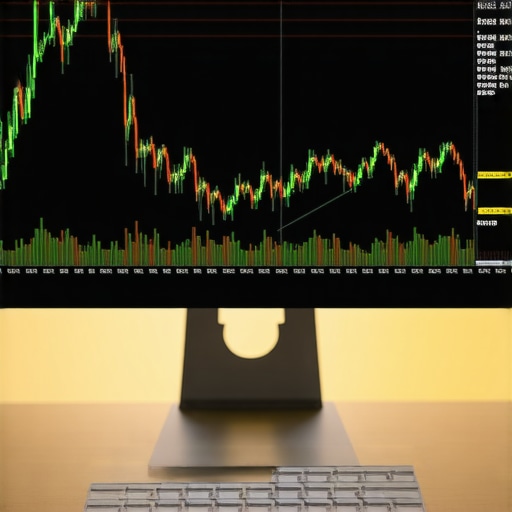
Recent geopolitical unrest and shifts in monetary policies have amplified gold’s allure as a non-correlated asset. Gold ETFs, especially those with transparent holdings and minimal counterparty risk, enable investors to swiftly reposition their portfolios in response to emerging threats, inflationary pressures, or currency fluctuations. Their liquidity profile makes them particularly suited for tactical allocation adjustments during market upheavals.
Moreover, strategic use of gold ETFs can facilitate the implementation of sophisticated hedging strategies, including options overlays and options-based income generation, which are typically more complex with physical gold. This flexibility allows for nuanced risk mitigation tailored to macroeconomic forecasts and geopolitical developments, further cementing ETFs as vital tools for institutional-level asset management.
How Do Regulatory Changes Impact Gold ETF Viability and Security?
As regulatory landscapes evolve globally, changes in ETF structuring, reporting requirements, and hedging disclosures can influence investor confidence and product appeal. For example, recent enhancements in transparency standards by authorities like the Securities and Exchange Commission (SEC) aim to reduce systemic risks associated with derivatives and counterparty exposures in gold ETFs. These regulatory shifts serve as a safeguard, reinforcing ETFs’ position as secure, compliant vehicles for gold exposure.
Investors aiming for an edge should monitor policy developments, as adjustments can affect ETF liquidity, cost structures, and redemption provisions. Deep familiarity with regulatory frameworks ensures that sophisticated portfolios leverage the full potential of gold ETFs while minimizing unforeseen risks, especially during periods of financial stress.
Aligning Gold ETF Strategies with Global Economic Indicators
Expert-level investment in gold ETFs integrates macroeconomic indicators such as inflation rates, real yields, and central bank balance sheet expansions. For example, rising inflation expectations coupled with declining real yields often precede upward movements in gold prices, making ETF positions strategically advantageous.
Furthermore, correlating gold ETF performance with geopolitical risk indices, currency strength, and commodity cycle analyses enables portfolio managers to craft proactive rebalancing tactics. This targeted approach, rooted in empirical data and behavioral finance insights, facilitates optimal portfolio resilience against evolving global economic conditions.
Interested in mastering the nuances of gold ETF allocations? Share your experiences or questions below to foster a deeper discussion on sophisticated hedging and diversification techniques that can safeguard your wealth during turbulent times.
Hidden Drivers of Gold Liquidity and Their Impact on Strategic Asset Allocation
While liquidity is often discussed in relation to tradable assets like gold ETFs, the subtle influences of global banking policies, clearing mechanisms, and derivative markets play a crucial role in shaping real-time liquidity. For expert investors, understanding how central bank swap lines or international clearinghouses function as unseen liquidity buffers can inform more nuanced entry and exit strategies.
Expert-Level Insights into Central Bank Gold Policy Shifts and Market Sentiment
The frequency and scale of central bank gold purchases or sales often serve as leading indicators of shifts in geopolitical alliances and economic confidence. Recent data from the World Gold Council reveals that central banks have accumulated gold during periods of dollar weakness, signaling strategic diversification rather than mere reserve management. Such policy shifts can presage significant price adjustments, especially when aligned with macroeconomic trends.
Advanced Question: How Can Deep Analysis of Marginal Gold Flows Improve Investment Timing?
Evaluating marginal gold flows—those smaller, often overlooked transactions—can reveal emerging demand patterns often overlooked by mainstream analyses. Variations in off-market transactions, such as those involving sovereign wealth funds or private vaults, can foreshadow broader institutional sentiment changes. Utilizing blockchain analysis tools and cross-referencing with geopolitical developments allows seasoned investors to refine timing and exposure strategies, aligning portfolio hedges with real-time market undercurrents. For a comprehensive examination, see the detailed methodologies outlined by the World Gold Council’s research division.
Harnessing Data Analytics for Predictive Gold Price Modeling
Modern investment strategies leverage advanced data analytics employing machine learning algorithms trained on macroeconomic variables, market sentiment indicators, and supply chain dynamics. By integrating real-time economic releases, currency exchange rates, and geopolitical event timelines, predictive models can offer probabilistic forecasts of gold price movements with higher precision, empowering traders and portfolio managers to execute more informed, timely adjustments.

Leveraging Niche Indicators for Sovereign and Institutional Demand
Beyond conventional metrics, experts monitor niche indicators such as the activity of sovereign gold vaults, changes in official gold lending rates, and fluctuations in over-the-counter derivatives markets. These micro-level signals often provide forewarnings about imminent institutional rebalancing, allowing investors to position themselves advantageously ahead of price swings. The integration of such granular data into a layered analytical framework exemplifies the sophisticated approach needed for true elite asset management.
Ethical and Regulatory Considerations in Niche Gold Markets
As market sophistication increases, so does the importance of understanding the ethical and regulatory environments governing niche transactions. Jurisdictional variations in reporting standards, anti-money laundering procedures, and export controls can significantly influence market accessibility and risk profiles. Staying abreast of evolving international standards, such as the Basel III reforms and the Dodd-Frank Act provisions, is essential for maintaining compliance and safeguarding assets in complex gold trading ecosystems.
Strategic Opportunities in Digital Gold and Blockchain Technologies
The advent of digital gold tokens and blockchain-based custody solutions introduces transformative possibilities for gold investment. These innovations promise enhanced transparency, fractional ownership capabilities, and seamless global settlement. Expert investors evaluate the legitimacy, security protocols, and liquidity profiles of such platforms to integrate them effectively into diversified portfolios, especially in contexts demanding rapid rebalancing and near-instant liquidity.
Engaging with these avant-garde financial instruments requires continuous due diligence and familiarity with evolving technological standards. Sharing insights on successful implementation of blockchain-enabled gold assets can foster a collective mastery, unlocking new horizons for wealth preservation and growth in a digitally interconnected world.
Expert Perspectives Shape the Future of Gold Investment
Why Diversification Protects During Market Turmoil
Professionals emphasize the importance of blending physical gold, ETFs, and mutual funds to create resilient portfolios capable of weathering unpredictable economic shifts. Diversification not only reduces risk but also harnesses multiple facets of gold’s inherent stability, a strategy vital for institutional investors seeking long-term security.
Timing of Gold Flows Signals Opportunities
Analyzing subtle shifts in gold demand—such as changes in sovereign reserves or off-market transactions—can unveil emerging trends before mainstream markets react. This deep, data-driven insight allows expert investors to position their assets advantageously, turning micro-movements into macro gains.
Regulatory Evolutions and Market Integrity
Staying informed about international policy developments, like Basel III reforms or anti-money laundering standards, ensures asset strategies remain compliant and secure. Anticipating regulatory changes can also preempt market disruptions, safeguarding your investments from unforeseen legal or operational risks.
Strategic Resources Delve Deep Into Gold Markets
- World Gold Council’s Research Division: Offers comprehensive analyses and forecasts rooted in market intelligence and data modeling.
- SEC Reports on ETF Regulation: Provides insights into regulatory safeguards enhancing investor confidence in gold ETF vehicles.
- Financial Times – Gold Market Insights: Delivers expert commentary on geopolitical influences and macroeconomic factors shaping gold prices.
- Bloomberg Commodities Section: Features real-time data, trends, and analytical tools tailored for sophisticated gold investors.
- Senior Analysts at Major Financial Institutions: Publishing reports on macroeconomic indicators and demand-supply evaluations, these insights are invaluable for high-caliber decision-making.
Reflections from the Top on Gold’s Role in Wealth Preservation
As global economic uncertainties persist, the critical takeaway for seasoned investors lies in appreciating the nuanced dynamics behind gold’s performance—be it through niche indicators, technological innovations like digital gold, or macroeconomic trends driven by central bank policies. The sophistication of your strategy directly correlates with your ability to anticipate shifts and capitalize on emerging opportunities. For those committed to refining their approach, engaging with these high-level insights and contributing your own expertise can elevate collective understanding and fortify your portfolio’s resilience. Share your insights today, or explore advanced tools to stay ahead in the evolving landscape of gold investment.
About the Author
Martin Tremblay
Private Investor | Capital Markets Expert
Martin Tremblay is a distinguished Private Investor and Capital Markets Expert with an extensive background in high-stakes financial advisory and strategic acquisitions. As a key figure at HCI, a premier capital advisory and mergers and acquisitions boutique firm with a presence in Montreal, Toronto, and New York, Martin brings a wealth of cross-border experience to the buyingoldnow.com community. His professional focus centers on identifying undervalued opportunities within established markets and navigating the intricate landscape of capital structures. With years of experience operating at the intersection of capital markets and private equity, Martin offers authoritative insights into the nuances of acquiring legacy assets and businesses. His expertise is grounded in a deep understanding of M&A processes, valuation methodologies, and the strategic deployment of capital. On buyingoldnow.com, he leverages his professional background to provide readers with actionable advice on securing and scaling established businesses for modern success. Martin is dedicated to demystifying the complexities of the investment world and is passionate about helping aspiring investors and entrepreneurs achieve long-term financial growth through informed decision-making.
LinkedIn Profile