







Reassessing Gold as a Dynamic Asset Class amid Evolving Markets
In an era marked by financial innovation and geopolitical shifts, investors increasingly scrutinize gold’s role within diversified portfolios. The traditional view of gold as a mere hedge has expanded into complex strategies involving derivatives, ETFs, and physical holdings. With rapid developments such as central bank digital currencies (CBDCs) and ESG considerations impacting gold demand, a nuanced understanding becomes essential for advanced investors.
The Vanishing Gap: Paper Versus Physical Gold in a Digital Age
While gold mutual funds and ETFs offer liquidity and ease of access, the divergence between paper representations and physical gold continues to stir debate. Empirical data, as highlighted by research on physical bullion’s resilience, affirms the necessity of tangible assets during systemic crises. Investors must weigh benefits like portability and custodial risks when choosing physical gold over its paper counterparts.
Optimizing Gold Allocations Through Tactical Strategies
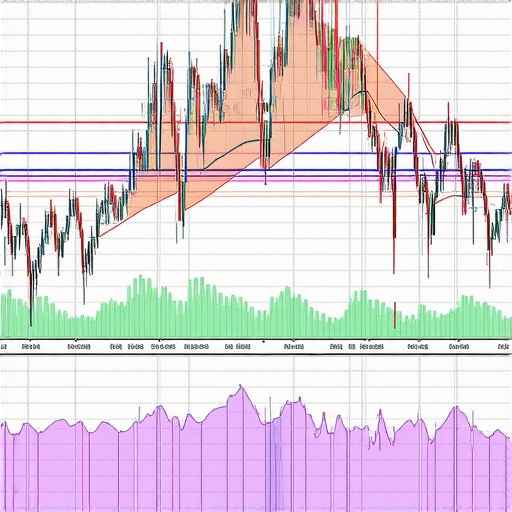
Strategic entry and exit points hinge on technical indicators, macroeconomic signals, and geopolitical cues. For instance, leveraging the 200-day moving average can help in timing gold purchases within volatile markets. Incorporating tools such as Fibonacci retracements or analyzing the gold-to-silver ratio can enhance precision in portfolio rebalancing, particularly when navigating uncertainties like interest rate hikes expected in 2026.
How Do Futures and ETFs Transform the Gold Investment Landscape?
Gold futures provide speculation opportunities but introduce significant risk, especially for beginners. Conversely, gold ETFs offer liquidity but are subject to issuer risk and factors like tracking errors. For sophisticated investors, aligning leverage and derivatives with long-term objectives requires a thorough understanding of the intricacies involved, along with an awareness of market liquidity and margin requirements.
Is Gold Still an Effective Hedge Against Inflation and Currency Devaluation?
Empirical studies, such as those published in the Journal of Alternative Investments, demonstrate that gold historically preserves purchasing power during inflationary periods, but recent data suggests a nuanced performance relative to other assets. The ongoing transition towards digital currencies and rising geopolitical tensions further complicate gold’s role, demanding a layered approach to valuation and strategic allocation.
How Can Investors Identify Overpriced Gold Coins and Avoid Common Pitfalls?
Recognizing overpricing requires understanding premium calculations, melt values, and authenticating methods. Resources like expert guides on verifying purity and premiums empower investors to avoid overpaying. Key indicators include abnormal premiums beyond 2026 market averages, suspicious dealer practices, and inconsistent assay reports.
For those committed to refining their holdings, exploring the silent risks of paper-only portfolios can provide critical insights into physical gold’s strategic advantages.
In a rapidly transforming investment landscape, integrating physical gold with tactical strategies rooted in expert analysis will be pivotal. Maintaining vigilance on market signals and leveraging authoritative resources will equip seasoned investors to navigate the complexities of modern gold investment effectively.
Unlocking the Potential of Gold in a Complex Economic Climate
As global markets face unprecedented upheavals—from geopolitical tensions to technological disruptions—the role of gold as a secure asset becomes even more critical. Investors seeking to optimize their gold holdings must go beyond traditional buy-and-hold tactics, employing tactical strategies that consider macroeconomic indicators, market psychology, and emerging geopolitical risks.
Why Precise Premium Calculations Matter Before Committing to Gold Purchases
One of the crucial aspects of successful gold investing involves understanding the specific premiums attached to coins and bars. Being adept at calculating and comparing premiums allows investors to spot fair pricing and avoid overpaying—an essential skill especially in volatile markets. For detailed guidance, consult this comprehensive resource. Additionally, leveraging tools designed for verifying gold purity, such as the ones described here, can shield you from costly mistakes.
Capitalizing on Technical Analysis for Optimal Entry and Exit Points
Technical indicators like the 200-day moving average or Fibonacci retracement levels provide clarity in volatile conditions. For instance, gold often exhibits seasonal price patterns, which can be exploited through disciplined analysis. Keep in mind that tools such as the gold-to-silver ratio not only signal potential price moves but also facilitate risk management and portfolio diversification. As global central banks increase their bullion reserves—evident in the data analyzed in this report—understanding these signals helps lay the foundation for proactive trading strategies.
Are Gold Prices Poised for a Major Breakout or Pullback in 2026?
This question challenges investors to consider whether current market dynamics, geopolitical developments, and monetary policies are setting the stage for a significant gold movement. Analyzing macroeconomic trends alongside technical signals is key. For example, rising tensions around CBDCs and digital assets could distort traditional supply-demand fundamentals, making it essential to follow expert analyses like those published in the Gold Bulletin.
Proactive investors should stay informed and adaptable, especially when considering complex instruments like gold futures. While futures can amplify gains, they also introduce considerable risks—particularly during periods of high volatility, as highlighted in this detailed guide. For a more conservative approach, physical bullion remains a steadfast store of value, especially when used as part of a balanced and diversified strategy.
Engagement from the investing community about these nuances can provide unique insights. We encourage readers to comment with their perspectives, share strategies that have worked in turbulent times, or suggest additional resources to deepen understanding of gold’s complex role in 2026’s evolving financial landscape.
Seizing Strategic Entry Points in a Fluctuating Gold Market
Timing is everything when it comes to gold investment, especially amidst unpredictable macroeconomic shifts. Seasoned investors leverage a combination of macroeconomic data, technical analysis, and geopolitical developments to refine their entry and exit points. For instance, monitoring gold’s behavior during key monetary policy announcements or geopolitical crises can reveal critical price support or resistance levels. Additionally, employing advanced chart patterns such as head and shoulders, ascending triangles, or cup and handle formations enhances predictive accuracy, enabling investors to act decisively before price movements unfold.
The Challenge of Precision in Premium Calculations and Authentication
Understanding and accurately calculating premiums over melt value remains vital to avoid overpaying. Premiums vary based on coin rarity, demand, and market conditions. Investors must also authenticate gold purity using tools like electronic testers, acid tests, or XRF analyzers, which provide immediate and reliable results. Misjudging premiums or falling prey to counterfeit coins can undermine your investment’s profitability. Resources such as expert guides offer detailed procedures that are essential for any serious collector or investor aiming for maximum value retention.
Visual guide to authenticating gold coins and calculating premiums accurately.
Integrating Technical Indicators for Micro-Strategic Moves
Incorporating indicators such as the Relative Strength Index (RSI) or Moving Average Convergence Divergence (MACD) can offer micro-level insights into overbought or oversold conditions, guiding tactical buy or sell decisions. For example, an RSI reading below 30 may signal an oversold condition, presenting a buying opportunity if supported by other indicators. Similarly, divergence between price and MACD can warn of impending reversals, allowing investors to enter or exit positions with greater confidence. Mastery of these tools enhances precision in portfolio management amidst choppy markets.
Can Gold Sustain Its Protective Role Against Emerging Digital Assets?
This question delves into the complex landscape of digital currencies versus traditional safe havens like gold. While gold’s physicality and historical stability make it an enduring hedge, the rise of CBDCs and cryptocurrencies introduces new variables. According to the Bank of England’s recent analysis, these digital assets could either complement or challenge gold’s role, depending on regulatory developments and technological adoption. Investors must critically evaluate how these emerging assets influence demand dynamics, liquidity, and long-term store of value considerations.
For the dedicated investor, staying abreast of regulatory shifts and technological breakthroughs is essential. Engagement with industry reports, government policy announcements, and academic research helps refine strategies in this evolving context. Furthermore, integrating traditional analyses with forward-looking assessments—such as examining the potential impact of sovereign digital currencies—can provide a more comprehensive framework for decision-making.
Leveraging Derivative Instruments for Tailored Gold Exposure
Innovative derivatives such as options and swaps provide seasoned investors with customizable pathways to profit from gold’s volatility while managing risk exposure. For instance, purchasing put options can hedge positions during anticipated downturns, whereas call options facilitate leveraged upside in bullish phases. Advanced strategies involve constructing spread positions, like calendar or vertical spreads, to exploit specific price differentials, demanding a thorough understanding of expiry, strike prices, and implied volatility dynamics. Consulting specialized derivatives analytics firms like Derivix is essential for precise calibration of these complex instruments.
Incorporating Environmental, Social, and Governance (ESG) Factors into Gold Selection
Although traditionally viewed through a financial lens, contemporary investors increasingly scrutinize gold’s ESG credentials. This entails assessing mining operations’ environmental impact, labor practices, and corporate governance to ensure responsible sourcing. External research from Responsible Mining Initiatives provides rigorous audits and certifications—such as the Responsible Gold Mining Principles—that can influence procurement strategies. Aligning portfolios with ESG standards not only mitigates reputational risks but also aligns with emerging global regulations, thereby future-proofing investment choices.
Advanced Portfolio Optimization Using Machine Learning Signals
Cutting-edge techniques deploy machine learning algorithms trained on vast financial datasets to identify subtle market patterns and forecast short-term gold price movements. These models, including neural networks and ensemble classifiers, can evaluate macroeconomic indicators, sentiment analysis, and geopolitical stress indices, offering an edge over traditional TA methods. Platforms like QuantDeep have developed proprietary models that integrate these signals, enabling dynamic portfolio rebalancing, risk control, and profit maximization. Incorporating such tools requires mastery of data analytics and an understanding of algorithmic bias mitigation.
The Intricacies of Sovereign Wealth and Central Bank Divergence
Recent shifts indicate central banks and sovereign funds adopting divergent strategies toward gold reserves, reflecting contrasting monetary policies and geopolitical alignments. Data from World Bank reports reveal some nations increasing bullion holdings as a safeguard, while others divest to fund domestic agendas. These movements influence global supply-demand dynamics, often presaging price trajectories. Experts recommend tracking official reserve disclosures and participating in institutional forums to interpret these complex signals accurately.
Cryptocurrency Competition: Will Digital Assets Challenge Gold’s Status?
As digital currencies reach mainstream attention, their impact on gold’s role as a safe haven appears multifaceted. While cryptocurrencies exhibit volatility, their decentralized nature and technological novelty appeal to specific investor segments. However, studies from the Crypto Research Institute suggest that gold continues to outperform in crisis periods owing to its physicality and historical resilience. Smart investors are contemplating hybrid allocations, blending both to diversify risks while capitalizing on digital assets’ growth potential.
Refining Premium Analysis to Unlock True Value in Coins
Understanding premium structures necessitates deep dives into coin rarity, minting year, and mintage figures, alongside market demand fluctuations. Sophisticated appraisal tools such as spectroscopic analyzers and ultrasonic testing devices help authenticate premiums beyond surface appearances. Resources like Gold Authenticator compile extensive databases for comparing premium indices, empowering investors to target undervalued opportunities and avoid overpaying during surges.

Diagram illustrating the comprehensive process for authenticating gold coins and calculating accurate premiums.
Employing Quantitative Metrics for Precision Timing
Metrics such as the Gold Relative Strength Index (GRSI) or the intraday volatility index empower traders with micro-timing insights. For instance, a GRSI below threshold levels may signal oversold conditions, suggesting opportune entry points, particularly when aligned with macroeconomic catalysts like inflation reports or geopolitical upheavals. Mastery of these indicators enables precise execution, transforming gut feel into quantifiable decision-making, essential in high-stakes environments.
Are Digital Cash Innovations Disrupting Gold’s Safe-Haven Status?
This pressing inquiry probes whether ongoing developments in central bank digital currencies and blockchain-based assets will diminish gold’s longstanding refuge position. While digital currencies offer transactional efficiencies and programmability, their regulatory uncertainties and technological vulnerabilities contrast with gold’s intrinsic stability and universal acceptance. Experts from the FinTech Journal suggest that a hybrid approach—leveraging both physical and digital assets—may offer optimal resilience against emerging financial risks. Staying informed about policy shifts, technological evolutions, and market adaptations is crucial for strategic positioning in this evolving landscape.
It is incumbent upon forward-looking investors to continuously adapt, integrating multiple analytical dimensions—quantitative, qualitative, and technological—to navigate the intricate web of modern gold investment. Engaging with industry seminars, specialized analytics platforms, and academic research will be instrumental in crafting resilient, high-performing portfolios amid ongoing transformative changes.
Expert Insights & Advanced Considerations
Stay Ahead with Tactical Gold Allocations
In today’s complex financial environment, leveraging macroeconomic trends and technical signals enables seasoned investors to optimize gold positions, ensuring resilience against market shocks.
Diversify with Purpose through Derivatives
Utilizing options and swaps provides tailored exposure, allowing for efficient risk management and strategic leveraging aligned with long-term objectives.
Prioritize Physical Gold for Stability
Despite the convenience of paper assets, maintaining tangible bullion offers unmatched security and independence, crucial during systemic crises or dislocations.
Integrate ESG Factors for Future Alignment
Assessing responsible sourcing and sustainability practices in gold acquisitions ensures your portfolio aligns with evolving investor values and regulatory expectations.
Harness Machine Learning for Precision Timing
Advanced algorithms can uncover subtle market signals, enabling micro-tactical moves that enhance portfolio performance amidst volatility.
Curated Expert Resources
- World Gold Council: Provides comprehensive market analysis, trends, and strategic insights essential for high-level investors.
- Responsible Mining Initiatives: Offers detailed evaluations of ESG practices in gold sourcing, guiding responsible investment choices.
- QuantDeep: Delivers cutting-edge AI tools and models for predictive market analytics, facilitating precise entry and exit decisions.
- Gold Bulletin: A publication that offers expert commentaries on macroeconomic influences and technical developments affecting gold.
- Derivix Research: Specializes in derivatives analytics, aiding investors in constructing sophisticated hedge and leverage strategies.
The Power of a Refined Perspective
Navigating the high-stakes world of gold investments demands a synthesis of tactical asset allocation, responsible sourcing, and forward-looking analysis. The evolving landscape underscores the necessity of integrating expert insights and leveraging advanced technologies like machine learning for superior decision-making. By adopting a strategic, informed approach—rooted in authoritative resources—you position yourself to capitalize on emerging opportunities and mitigate risks effectively. Dive deeper into these facets, share your insights, or explore tailored strategies to elevate your gold portfolio—your expertise is vital in shaping resilient financial futures.
About the Author
Martin Tremblay
Private Investor | Capital Markets Expert
Martin Tremblay is a distinguished Private Investor and Capital Markets Expert with an extensive background in high-stakes financial advisory and strategic acquisitions. As a key figure at HCI, a premier capital advisory and mergers and acquisitions boutique firm with a presence in Montreal, Toronto, and New York, Martin brings a wealth of cross-border experience to the buyingoldnow.com community. His professional focus centers on identifying undervalued opportunities within established markets and navigating the intricate landscape of capital structures. With years of experience operating at the intersection of capital markets and private equity, Martin offers authoritative insights into the nuances of acquiring legacy assets and businesses. His expertise is grounded in a deep understanding of M&A processes, valuation methodologies, and the strategic deployment of capital. On buyingoldnow.com, he leverages his professional background to provide readers with actionable advice on securing and scaling established businesses for modern success. Martin is dedicated to demystifying the complexities of the investment world and is passionate about helping aspiring investors and entrepreneurs achieve long-term financial growth through informed decision-making.
LinkedIn Profile