




Analyzing the Intricacies of Valuing Antique Gold Jewelry in Contrast to Bullion in Emerging Market Conditions
As the global financial landscape evolves, investors and collectors face complex decisions regarding gold assets. While traditional gold bullion remains a cornerstone for liquidity and stability, antique gold jewelry embodies a multifaceted asset class, blending historical allure with tangible value. Understanding how to accurately assess the worth of antique gold jewelry versus pure bullion necessitates a nuanced grasp of market trends, provenance authenticity, and rarity factors.
What are the critical criteria that distinguish valuation methodologies for antique gold jewelry from those applied to bullion in today’s volatile markets?
Expert evaluators employ a fusion of numismatic expertise and metallurgical analysis to determine the premium components associated with antique pieces, including craftsmanship, rarity, and provenance documentation. Conversely, bullion valuation primarily hinges on market spot prices and melt value calculations, which are more straightforward but less emotion-driven.
Market demand trends, especially in regions experiencing inflationary pressures, influence the premiums commanded by antique jewelry, which often appreciate due to their artistic and historical significance. Nonetheless, this type of valuation is susceptible to subjective factors, such as the condition of the piece and collector sentiment. In contrast, bullion prices tend to mirror macroeconomic indicators more directly, including central bank gold purchases and global monetary policy shifts.
Evaluating the Role of Gold Demand Trends and Central Bank Strategies in Shaping Asset Class Performance
Recent data indicate a surge in central bank gold acquisitions during 2026, reflecting a strategic shift towards physical reserves amidst geopolitical uncertainties. This shift influences the liquidity and stability outlook for gold, affecting both bullion markets and the valuation of antique jewelry as alternative stores of value.
Simultaneously, the ascent of gold-specific financial instruments like gold ETFs and mining stocks underscore diverse investor approaches, which may dilute or amplify demand for physical assets. Nonetheless, authentic antique jewelry often remains resilient during turbulent periods, owing to its intrinsic cultural and historical appeal, which is less correlated with short-term fluctuations in market prices.
Operational Challenges in Valuation Amidst Market Disruption
One of the primary challenges in differentiating antique gold jewelry from bullion valuation lies in authentication complexities. With counterfeit concerns mounting, rigorous testing protocols and provenance checks are vital for accurate appraisal. Technological advancements, including portable X-ray fluorescence (XRF) analyzers, facilitate on-site verification but require experienced operators to interpret findings correctly.
Furthermore, fluctuating premiums on rare coins and jewelry due to collector demand can skew perceived value, emphasizing the importance of engaging reputable appraisers and consulting specialized auction records. As market participants navigate these waters, a balanced approach incorporating both historical asset analysis and current macroeconomic signals aligns closely with prudent investment strategies.
Aligning Asset Selection with Broader Portfolio Strategies
In 2026, discerning investors are advised to consider how antique gold jewelry can complement traditional bullion holdings, particularly in diversified portfolios aimed at hedge against inflation and systemic risks. Including rare jewelry pieces may augment portfolio resilience, yet necessitates profound expertise in valuation and provenance assessment. Resources like expert analyses on physical gold assets provide valuable insights into strategic allocation.
For practitioners seeking to deepen their understanding, engaging with industry forums and participating in professional certification courses can enhance valuation proficiency. Ultimately, the decision to prioritize antique jewelry or bullion hinges on an investor’s risk appetite, liquidity needs, and long-term goals amidst the transformative 2026 market landscape.
Why Insider Insights Matter When Navigating Gold Valuations Today
As gold markets become increasingly complex, understanding the subtle factors influencing asset valuation is essential for savvy investors. Beyond spot prices and historical premiums, elements like geopolitical shifts, technological advancements, and macroeconomic policies now play pivotal roles. For instance, recent movements by central banks, detailed in reports such as central bank gold acquisitions in 2026, reveal strategic shifts that can redefine the landscape.
Evaluators often employ sophisticated tools like quantum computing analyses to assess supply constraints and predict future price trajectories. Meanwhile, seasoned collectors scrutinize provenance authenticity through advanced metallurgical testing, emphasizing the importance of integrating scientific validation with market analysis.
Piecing Together the Puzzle of Demand and Supply in a Changing Market
One critical question arises: How do emerging technological developments and geopolitical tensions sculpt the demand for physical gold versus financial derivatives? Insights from inflation data’s impact on gold prices highlight that, in times of economic uncertainty, tangible assets like bullion and authentic jewelry often outperform unbacked instruments. This underscores the importance of a nuanced approach, balancing liquidity needs with long-term growth potential.
Moreover, reshaping supply chains due to innovations such as quantum computing and digital currencies influences the scarcity narrative. As outlined in industry analyses, diversifying holdings between physical gold and specialized ETFs can optimize resilience, provided investors recognize the underlying drivers—a sophisticated exercise involving both macro indicators and microscopic asset evaluations.
Is Your Portfolio Equipped for the Precision Challenges of 2026 Gold Valuation?
Accurate valuation requires a multi-layered framework that accounts for provenance integrity, market demand elasticity, and technological impacts on supply chains. Experts recommend employing analytics that blend quantitative metrics with qualitative insights, ensuring a comprehensive view. For example, leveraging advanced valuation metrics can help identify over- or undervalued assets within a dynamic market environment.
Investors seeking deeper engagement with these analytical tools are encouraged to participate in industry forums and pursue certification courses, which can significantly enhance decision-making accuracy in high-volatility periods, such as the upcoming years.
Considering the strategic moves by global central banks, like the doubling of gold reserves, and technological innovations impacting global supply, what steps can investors take today to future-proof their portfolios against unforeseen shifts? Sharing insights or reading expert analyses on the role of physical gold as a sovereign asset can provide a vital edge.
Mastering the Art of Authentication: Elevating Valuation Precision for Gold Artifacts
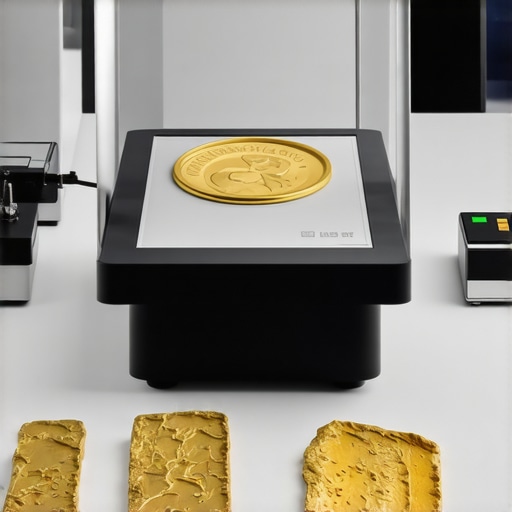
Authenticating antique gold pieces demands an intricate blend of scientific rigor and historical scholarship. The proliferation of high-quality counterfeits underscores the necessity for comprehensive provenance research, with specialists utilizing advanced spectral analysis and metallurgical testing to verify purity and origin. Portable X-ray fluorescence (XRF) devices, when operated by trained professionals, enable rapid, non-destructive assessments, distinguishing genuine artifacts from modern reproductions. This multifaceted approach minimizes detection errors, bolstering investor confidence and ensuring accurate valuation.
How can cutting-edge analytical techniques revolutionize the authentication process for antique gold?
Emerging technologies like laser ablation inductively coupled plasma mass spectrometry (LA-ICP-MS) facilitate detailed elemental profiling, identifying unique compositional signatures linked to specific time periods or regions. Coupled with machine learning algorithms trained on extensive datasets, these methods can predict authenticity with unprecedented accuracy, transforming traditional appraisal practices. As documented in authoritative metallurgical journals, integrating these innovations into standard protocols mitigates risks associated with counterfeit assets, safeguarding investor portfolios against inflated valuations.
Unraveling Contextual Rarity and Market Dynamics in Antique Gold Valuation
The value of antique gold jewelry isn’t solely rooted in its metallurgical composition; contextual rarity—encompassing provenance, craftsmanship rarity, and historical significance—imparts substantial premiums. Market demand in emerging economies experiencing cultural revival amplifies these premiums. Conversely, global economic turbulence can shift collector sentiment, influencing liquidity and resale potential. Recognizing these macroeconomic influences enables astute investors to tactically position their holdings, balancing aesthetic appeal with market resilience.
What strategic considerations should collectors prioritize amidst the volatility of global gold markets?
Proactive diversification, combining both tangible collectibles and financial instruments like gold ETFs, offers a buffer against market shocks. Incorporating cross-disciplinary expertise—such as art history and metallurgy—facilitates informed decision-making. Furthermore, staying abreast of geopolitical developments and central bank policies, as highlighted in reports like the IMF’s annual review on gold reserves, provides contextual insights essential for timing entries and exits. These strategies foster a resilient portfolio insulated from short-term perturbations, aligned with long-term wealth preservation goals.
The Influence of Global Geopolitics and Economic Shifts on Gold Valuation Trends
Geopolitical tensions and macroeconomic shocks invariably reshape the landscape of gold valuation. Recent shifts, including major central bank gold acquisitions documented by the London Bullion Market Association, reveal a strategic pivot towards physical reserves as a safeguard against financial system instability. Concurrently, the rise of digital currencies and blockchain-based assets introduces new dynamics, compelling traditional valuation paradigms to evolve. Anticipating these trends necessitates a mastery of both technical analysis and geopolitical intelligence, ensuring investors can adapt swiftly to emergent opportunities and threats.
According to a comprehensive report by the World Gold Council, fluctuations in sovereign holdings often presage broader market movements, serving as both indicators and catalysts. Consequently, sophisticated portfolio management in this environment involves integrating macroeconomic models with micro-level asset authenticating techniques, fostering a holistic risk mitigation approach.
How might technological innovation intersect with geopolitical developments to redefine gold’s role as a safe haven?
Advancements like quantum computing are poised to revolutionize supply chain verification and asset tracking, bolstering transparency and security. Coupled with geopolitical shifts, such as trade sanctions and regional conflicts, these innovations will influence supply constraints and price stability. Investors attuned to these intersections can leverage real-time data analytics, predictive modeling, and geopolitical risk assessments to optimize entry points and preserve wealth in a landscape where traditional hedges evolve rapidly. For a deeper understanding, consulting industry-leading analyses from organizations like the World Gold Council can prove invaluable, guiding strategic asset allocation in uncertain times.
Unlocking the Hidden Value in Rare Gold Numismatic Collections with Advanced Analytics
Beyond the prominent spheres of bullion and antique jewelry, specialized niche markets such as gold numismatic collections embody a confluence of historical significance and scarcity-driven premiums. Leveraging cutting-edge analytical tools like isotope ratio mass spectrometry (IRMS) alongside machine learning models enables experts to decode subtle provenance markers and assess authenticity with unprecedented precision, revealing latent value hidden within these collectible assets.
How can integrating scientific innovation redefine valuation standards for high-end gold numismatic pieces?
Scientific innovations such as LA-ICP-MS facilitate granular elemental analysis, distinguishing genuine artifacts from sophisticated forgeries. Coupling these insights with AI-powered data analytics, appraisers can now predict rarity and premium potential based on intricate compositional fingerprints and historical market data, thereby setting new benchmarks for accuracy and confidence in valuation processes. The implications extend into highly specialized markets, demanding expertise that blends metallurgy, history, and data science—heralding a new era of precision.

The Impact of Digital Asset Integration on Traditional Gold Investment Strategies
The convergence of digital assets and physical gold investments challenges conventional portfolio paradigms. Platforms offering tokenized gold enable fractional holdings, democratizing access while raising questions about the true backing of such tokens and their impact on market liquidity. Navigating these complexities requires an understanding of blockchain transparency protocols and regulatory frameworks that govern digital-physical asset interplay, influencing investor confidence and asset valuation.
Are tokenized gold products a legitimate hedge or merely a speculative veneer?
While tokenized gold can enhance liquidity and ease of transfer, skeptics argue that the lack of physical custody reduces the security of such assets during market upheavals. Expert evaluations suggest that a prudent strategy involves a hybrid approach—maintaining tangible gold holdings complemented by vetted digital assets—thus blending the stability of physical gold with the flexibility of digital trading, all within an evolving regulatory landscape described comprehensively by the International Monetary Fund’s recent reports.
Forecasting the Evolution of Gold Purity Standards Amid Advanced Refining Technologies
The ongoing technological march in refining processes, including electrolysis and plasma arc melting, is progressively raising the baseline purity standards for gold. Such advancements influence the valuation landscape, as higher purity levels and traceability enhance the appeal of investment-grade bars and coins. These technological strides also introduce new certification metrics, demanding continuous adaptation from appraisers and investors alike, ensuring asset integrity amidst rising quality thresholds.
What criteria should investors reassess to capitalize on higher purity gold assets in the context of evolving standards?
Investors are advised to scrutinize refining provenance reports and compliance with international hallmarking standards such as those from the London Bullion Market Association (LBMA). Employing complementary scientific testing like XRF scanning, coupled with historical purity verification, demonstrates an investment savvy tailored to modern technological capabilities, optimizing asset longevity and marketability in an increasingly competitive environment.
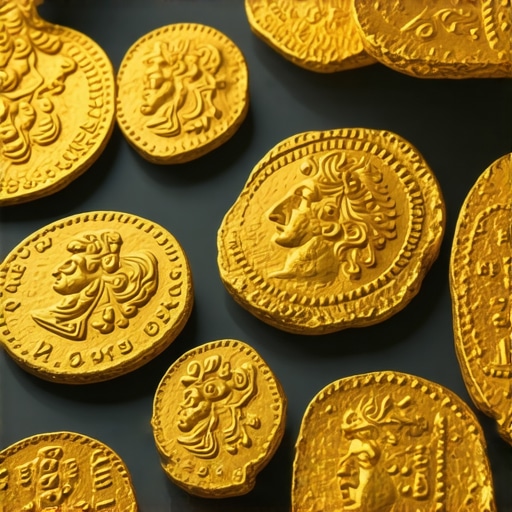
Culture-Driven Demand: How Heritage and Artistic Integrity Influence Gold Premiums
In markets driven by cultural renaissance movements and artist collaborations, gold jewelry and artifacts gain a renewed aura, elevating their premium valuation. The integration of ethnographic research, art historical analysis, and metallurgical testing informs a holistic valuation toolkit that captures the intangible cultural capital impacting market price. These multi-layered assessments are essential for discerning the full spectrum of asset worth, especially when considering cross-border trading scenarios where cultural provenance is paramount.
How can investors leverage interdisciplinary expertise to identify undervalued culturally significant gold assets?
Engaging specialists in ethnography, art history, and metallurgy enables a comprehensive authenticity profile, mitigating risks associated with misattribution and counterfeit. Incorporating provenance documentation with scientific validation through techniques like portable XRF analysis and provenance registries facilitates strategic acquisitions, particularly in emerging markets where cultural narratives significantly influence investment outcomes. Moreover, staying attuned to geopolitical shifts that impact cultural valuation, as detailed in reports by UNESCO, enhances strategic positioning.
Expert Insights & Advanced Considerations
Prioritize provenance verification to mitigate counterfeit risks, leveraging cutting-edge spectroscopic methods for accuracy.
Integrating scientific analysis with historical research enhances authentication processes, ensuring valuation integrity in a competitive market.
Monitor geopolitical shifts and technological innovations, such as quantum computing, to anticipate supply chain disruptions and demand fluctuations.
Staying ahead of these trends empowers investors to optimize asset allocation between antique jewelry and bullion.
Engage in multidisciplinary assessments combining art history, metallurgy, and data science for comprehensive appraisals.
This holistic approach uncovers hidden premiums and informs strategic acquisitions amid market volatility.
Curated Expert Resources
- London Bullion Market Association (LBMA): Industry-leading standards on gold refining, hallmarking, and quality assurance.
- World Gold Council: In-depth reports on market dynamics, central bank activities, and demand trends shaping the gold landscape.
- Science & Art Journals on Metallurgy and Provenance Analysis: Publications detailing technological advancements like LA-ICP-MS and spectral analysis techniques.
- UNESCO Cultural Heritage Reports: Insights into the geopolitical influences on cultural artifacts and their valuation.
- Industry Certification Bodies: Programs offering specialization in gold appraisals, provenance research, and numismatic valuation.
The Final Verdict for Discerning Investors
The evolving landscape of gold valuation emphasizes a fusion of scientific rigor, geopolitical awareness, and cultural insight. Expert-level comprehension of market signals, technological breakthroughs, and provenance intricacies not only refines valuation accuracy but also elevates strategic decision-making. As global markets navigate unprecedented shifts, those committed to continuous learning and multidisciplinary analysis will be best positioned to harness the enduring value of antique gold assets. Engage deeply with industry resources, collaborate with specialists, and maintain a vigilant eye on emerging trends to solidify your expertise and secure a resilient, informed portfolio in 2026 and beyond.
About the Author
Martin Tremblay
Private Investor | Capital Markets Expert
Martin Tremblay is a distinguished Private Investor and Capital Markets Expert with an extensive background in high-stakes financial advisory and strategic acquisitions. As a key figure at HCI, a premier capital advisory and mergers and acquisitions boutique firm with a presence in Montreal, Toronto, and New York, Martin brings a wealth of cross-border experience to the buyingoldnow.com community. His professional focus centers on identifying undervalued opportunities within established markets and navigating the intricate landscape of capital structures. With years of experience operating at the intersection of capital markets and private equity, Martin offers authoritative insights into the nuances of acquiring legacy assets and businesses. His expertise is grounded in a deep understanding of M&A processes, valuation methodologies, and the strategic deployment of capital. On buyingoldnow.com, he leverages his professional background to provide readers with actionable advice on securing and scaling established businesses for modern success. Martin is dedicated to demystifying the complexities of the investment world and is passionate about helping aspiring investors and entrepreneurs achieve long-term financial growth through informed decision-making.
LinkedIn Profile