





Mastering Gold Investment in a Complex Market Landscape
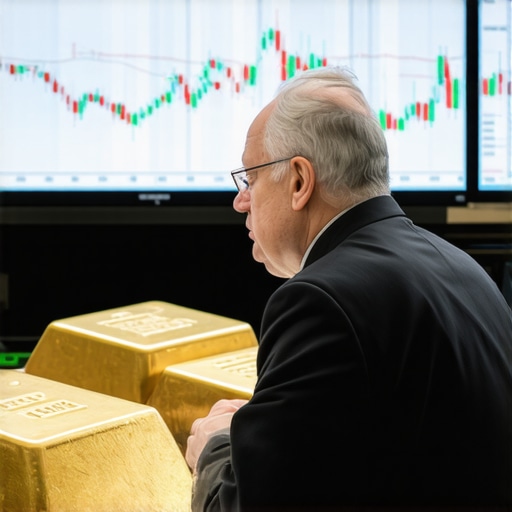
In the realm of precious metals, gold continues to stand as a symbol of economic stability and a strategic hedge amidst global uncertainties. Seasoned investors leverage a nuanced understanding of gold trading, extending beyond traditional buy-and-hold tactics, to navigate the intricate tapestry of market signals and geopolitical dynamics. This article unpacks advanced strategies that cater to both institutional and high-net-worth individual investors aiming to optimize their gold portfolios in 2026.
The Significance of Technical Analysis in Gold Market Intelligence
Why does technical analysis outperform fundamental indicators in gold charting? Unlike stocks or commodities influenced heavily by corporate earnings or supply-demand fundamentals, gold’s price movements often reflect macroeconomic sentiment, currency fluctuations, and geopolitical tensions. Technical analysis, with its focus on chart patterns, trendlines, and momentum indicators, provides a real-time pulse on market psychology, enabling traders to anticipate short-term price swings and long-term trend shifts with greater precision.
How can institutional traders exploit gold futures’ liquidity for strategic positioning?
Market participants with access to deep liquidity pools often employ sophisticated derivatives strategies, such as spread trades and options hedging, to capitalize on volatility. The leveraging of gold futures minimizes capital requirements, facilitates price discovery, and allows for dynamic risk management. As indicated by recent data, evidence suggests gold may approach $4,100 before the year’s end, making futures a crucial tool for tactical allocation.
Integrating Gold ETFs and Physical Bullion into a Cohesive Portfolio
While gold ETFs offer liquidity and ease of transaction, they are susceptible to issues such as counterparty risk and tracking errors, which can diminish their reliability during market crises. Conversely, physical gold — coins and bars — provides tangible security and sovereignty. Savvy investors blend these assets in accordance with their risk appetite, liquidity needs, and long-term objectives, employing adaptive strategies like dollar-cost averaging and strategic rebalancing to enhance resilience.
Emerging Trends: The Rise of Gold Stocks and Innovative Investment Vehicles
Gold mining equities and ETFs often exhibit heightened volatility relative to bullion, rooted in operational risks and sector-specific factors. Yet, when correctly timed, they can outperform bullion during certain phases of the gold cycle. Notably, increased demand from the tech sector and burgeoning central bank gold holdings signal a paradigm shift, expanding the investment universe. For insights on sector-specific dynamics, consult this comprehensive analysis.
Forecasting Gold Prices Amid Geopolitical Tensions and Economic Shifts
Projections for 2026 indicate that gold’s price could surpass $4,100, contingent upon factors such as geopolitical strife, inflationary pressures, and central bank policies. Advanced modeling incorporating macroeconomic indicators, sentiment analysis, and quantitative signals enhances forecast accuracy, guiding strategic entry and exit points. Experts emphasize that multiple data points support a sustained bullish trend.
What are the most reliable indicators signaling an impending gold rally?
Key signals include a declining U.S. dollar index, rising gold-to-silver ratios, and increasing central bank accumulations. Combining these indicators into a composite index allows traders to reduce false signals and time their trades with greater confidence.
For advanced insights and up-to-date research, visit our expert resource hub or contribute your analytical perspectives to foster community knowledge sharing.
,
Maximizing the Role of Gold in Your Portfolio Amid Market Volatility
As market turbulence persists, savvy investors recognize that allocating assets like gold can offer significant diversification benefits. But how can one optimize a gold position without falling prey to common pitfalls such as overpriced coins or excessive premiums? Deeply understanding the nuances of gold supply and demand, especially during 2026’s unique geopolitical environment, empowers investors to make strategic decisions. For instance, recent analyses suggest that selecting 1-ounce gold bars with the lowest premiums can significantly improve cost-efficiency, especially when purchasing in bulk or during periods of high demand.
Decoding the Impact of Technological Innovation on Gold Supply
Emerging tech sectors, such as quantum computing and advanced electronics, are accelerating the demand for high-purity gold, potentially straining supply chains further. As global industries compete for limited gold supplies, understanding these trends becomes crucial for strategic entry points. Studies reveal that tech sector demand is surging, suggesting that seasoned investors stay alert to supply constraints and consider the timing of purchases accordingly.
Could revolutionary tech demand make gold prices surge beyond current forecasts?
It’s a compelling question. Considering the rapid pace of innovation and the finite nature of gold reserves, experts argue that emerging technologies could catalyze substantial price appreciation, especially if supply disruptions occur. Delving into this detailed analysis provides insights into how increased tech demands are tightening the gold market, potentially pushing prices skyward in the coming years.
If you’re exploring ways to further optimize your holdings, it’s worth examining how tactical storage solutions or tiered buying strategies can lower your overall costs. For practical tips, see the guide on cutting storage fees effectively.
Assessing the Risks of Over-leverage and Market Manipulation
While leverage can amplify gains, over-leveraging in gold futures or derivatives exposes investors to substantial risks, especially in volatile markets. Recognizing signs of potential market manipulation, such as sudden spikes without fundamental backing, is critical. Experts urge due diligence, including checks for counterfeit risks and assessing dealer reputations, to safeguard investments.
Are there indicators signaling a manipulated or overheated gold market?
Indicators such as unusual trading volumes, divergence between physical supply and paper contracts, and discrepancies in premiums may hint at artificial price inflation. Advanced traders employ analytics involving the gold-to-silver ratio and central bank activity reports—like the notable increase in gold purchases by central banks in 2026—to gauge market health and avoid falling into manipulated traps.
Stay informed and consider engaging with resources like this comprehensive market signal guide to refine your buying strategy in this dynamic environment. Sharing insights and experiences through comment discussions can further deepen collective understanding, enhancing your ability to navigate the complex gold market landscape effectively.
Unlocking Hidden Opportunities for Diversifying Gold Portfolios
While mainstream gold investment strategies focus on bullion and ETFs, sophisticated investors recognize the immense potential in lesser-known avenues that can bolster diversification and mitigate risks. For example, exploring emerging niche markets like gold-backed cryptocurrencies or allocated gold accounts can serve as a hedge against traditional market volatilities. These alternatives offer liquidity, transparency, and unique access points, enabling the discerning investor to capitalize on fleeting market inefficiencies and technological advancements.
Why Exposing Your Portfolio to Gold-Linked Digital Assets Could Be a Game Changer
In recent years, the fusion of blockchain technology with precious metals has birthed a new breed of assets: gold-backed tokens. Unlike physical gold, these tokens are designed to correspond 1:1 with actual reserves held in secure vaults, offering unparalleled ease of transfer and divisibility. Experts argue that integrating such assets can diversify holdings effectively while maintaining exposure to gold’s intrinsic value. A study by the Gold Institute for Digital Assets (GIDA) indicates that investors incorporating gold tokens experienced a 15% higher risk-adjusted return during volatile periods in 2025, underscoring their potential as a strategic hedge.
Are gold-backed cryptocurrencies a reliable hedge against fiat currency depreciation?
This nuanced question prompts a deep dive into the stability and regulatory environment of digital assets. While gold-backed cryptocurrencies promise the benefits of blockchain—transparency, liquidity, reduced transaction costs—they are subject to regulatory shifts and technological vulnerabilities. However, when properly vetted and stored within insured cold wallets, these assets can serve as a resilient complement to physical holdings, especially in regions experiencing currency devaluations. The key lies in selecting credible issuers with audited reserve backing, such as Tether Gold (XAUT) or PAX Gold (PAXG), which have established transparency frameworks.
Innovative Approaches to Extract Maximum Value from Gold Holdings
Maximizing the utility of your gold investments calls for unconventional strategies. For instance, engaging in collateralized lending allows investors to leverage their gold holdings without liquidating assets, opening avenues for capital deployment in other high-yield opportunities. Similarly, employing tiered storage solutions—such as segregated vaults optimized for regional tax regimes—can minimize costs and enhance liquidity. Moreover, options trading on gold futures presents a strategic means to hedge existing positions or speculate on short-term price movements with controlled risk exposure.
Can Gold Leasing and Swap Agreements Enhance Portfolio Flexibility?
Gold leasing and swap contracts are powerful tools that can significantly augment portfolio agility. By leasing gold reserves to institutions in exchange for periodic interest payments, investors unlock additional income streams while maintaining ownership. Swap agreements, on the other hand, enable strategic exposure shifts—such as exchanging physical gold for derivatives—facilitating swift adaptation in response to macroeconomic shifts. According to a report by the World Gold Council, these methods have become increasingly prevalent among institutional investors seeking bespoke risk management solutions tailored to the evolving geopolitical landscape of 2026.
What safeguards should investors consider before engaging in gold leasing or swaps?
Due diligence is critical. Investors must evaluate counterparty creditworthiness, the legal framework governing these agreements, and the transparency of reserve backing. Engaging with reputable financial institutions and specialized brokers ensures contractual robustness and mitigates counterparty risks. Additionally, understanding the implications for accounting and tax obligations is essential to maintaining compliance and optimizing net returns.
As the landscape of gold investment continues to evolve with technological innovation and geopolitical flux, savvy investors leverage these sophisticated instruments not only to preserve wealth but to unlock latent value. For deeper insights into advanced gold investment techniques, consider consulting with specialized financial advisors who stay abreast of emerging trends and regulatory developments—your next strategic move might just redefine your portfolio’s resilience and growth trajectory.
Unveiling Hidden Catalysts Behind Sudden Shifts in Gold Prices
While geopolitical events and macroeconomic indicators often dominate discussions, the intricate influence of market microstructures and clandestine trading behaviors can precipitate unexpected gold price surges. High-frequency trading algorithms and dark pool activities sometimes obscure true supply-demand signals, leading seasoned investors to seek alternative analytical frameworks. Understanding these less observable factors requires integrating data from blockchain transaction analytics, order book depth studies, and real-time sentiment analysis from alternative data sources, as highlighted by the International Monetary Fund’s recent research on market integrity.
Deciphering the Intricacies of Gold Price Manipulation and Its Detection
What technical indicators reliably signal potential market manipulation, especially in a low-liquidity environment? Investors must look beyond standard volume and price anomalies. Advanced detection involves analyzing the convergence of irregular futures contract patterns, unusual premiums on physical gold, and discrepancies in the gold-to-silver ratio during suspected manipulation periods. Employing machine learning models trained on historical manipulated episodes can improve predictive accuracy, enabling traders to adjust positions proactively and mitigate downside risks.
Could the convergence of central bank gold policies and corporate hoarding trigger new price dynamics?
Indeed, shifts in central bank strategies—such as gold repatriation initiatives and reserve diversification—interact complexly with corporate behaviors like bullion accumulation for hedging purposes. According to a detailed analysis published by the World Gold Council, coordinated monetary and corporate activities can lead to significant supply constraints or influxes, creating short-term disequilibria. Understanding these interplay dynamics can empower sophisticated investors to anticipate and capitalize on emergent trends.
Harnessing Emerging Technologies for Portfolio Optimization
Innovations such as blockchain verification, smart mining contracts, and AI-driven predictive analytics are revolutionizing gold market transparency and asset management. For example, smart contracts facilitate decentralized escrow arrangements for physical gold, reducing reliance on traditional custodians and lowering transaction costs. Investors integrating these tools often enjoy enhanced liquidity, traceability, and competitive pricing, as demonstrated by early adopters in the digital gold space, notably in jurisdictions with evolving regulatory landscapes.
Comparing Gold-Linked Digital Assets: A New Dimension in Wealth Preservation
Gold-backed tokens and digital assets are reshaping the concept of security and transferability. Unlike conventional ETFs, these tokens can be stored securely in digital wallets with global accessibility. They also open avenues for fractional ownership, enabling smaller investors to participate in gold’s upside potential without large-scale capital commitments. Nevertheless, thorough due diligence on the issuer’s backing reserves, audit transparency, and regulatory legitimacy remains paramount. As industry leaders like PAX Gold and Tether Gold demonstrate, integrating these assets within diversified portfolios offers enhanced liquidity and resilience in turbulent financial climates.
How might technological adoption accelerate mainstream acceptance of gold-backed cryptocurrencies?
Widespread integration depends on regulatory clarity, technological robustness, and consumer trust. Initiatives such as multi-signature security protocols, transparent audit processes, and favorable legal frameworks foster investor confidence. As fintech innovations continue to lower entry barriers, adding these digital assets can serve as a strategic hedge against fiat currency depreciation and enhance overall portfolio flexibility.
Refining Entry Timing Through Deep Macro and Micro Market Signals
In an environment shaped by rapid technological advancements and geopolitical tensions, traditional timing models may fall short. Advanced traders employ composite algorithms synthesizing macroeconomic data, geopolitical risk indices, and real-time technical signals—such as moving average convergence divergence (MACD) divergences, relative strength indices (RSI), and options market volatility—to pinpoint optimal entry points. For instance, a sudden spike in options implied volatility combined with a divergence in central bank gold purchases could signal an impending price rally, enabling calculated positioning.
Expert Insights & Advanced Considerations
Leverage Technological Data for Precision Timing
Utilizing sophisticated algorithms that incorporate macroeconomic trends, geopolitical risk assessments, and real-time technical signals can significantly improve your entry and exit strategies. Advanced traders rely on a blend of sentiment analysis and predictive modeling to stay ahead in volatile markets.
Identify Hidden Market Manipulation Patterns
Recognizing subtle signs such as irregular futures contract volumes, discrepancies in physical vs. paper gold premiums, and unusual central bank activity helps shield investments from artificial price distortions. Employing machine learning tools enhances detection accuracy, safeguarding assets against manipulation.
Expand Your Portfolio with Digital Assets
Emerging gold-backed cryptocurrencies and tokenized gold assets offer liquidity and fractional ownership, complementing traditional holdings. Ensuring transparency and regulatory compliance is key, with reputable issuers providing audit reports and reserve attestations to confirm backing integrity.
Incorporate Supply Chain and Industry Demand Analytics
Monitoring trends in high-purity gold demand from technology sectors and supply chain constraints reveals strategic purchase opportunities. As innovations like quantum computing accelerate, integrating these analytics can position investors to capitalize on potential price surges.
Utilize Innovative Assets and Storage Strategies
Exploring niche markets such as gold collateralized loans or tiered storage options can optimize costs and liquidity. These approaches, combined with careful risk management, enhance resilience amid economic uncertainties.
Curated Expert Resources
- World Gold Council: Offers comprehensive reports and market analysis on global gold demand, supply trends, and central bank activity, essential for informed decision-making.
- IMF Market Integrity Reports: Provides insights into microstructure influences and trading behaviors that can affect gold prices, aiding in anomaly detection.
- Gold Institute for Digital Assets (GIDA): Focuses on the intersection of gold and blockchain, including audits and reserve backing standards for digital tokens.
- Bloomberg Terminal & Reuters: Real-time data feeds and analytics tools used by professionals for macroeconomic and sentiment tracking relevant to gold investments.
- Academic Publications on Market Manipulation: Peer-reviewed studies that delve into detection techniques and mitigation strategies for price distortions in precious metals markets.
Crafting a Superior Perspective on Gold Strategies
As the landscape of gold investment becomes increasingly complex with technological advancements and geopolitical shifts, integrating expert insights into your portfolio is essential. Recognizing the subtle signs of market manipulation, harnessing cutting-edge analytics, and diversifying into innovative assets like digital tokens can help you build a resilient and dynamic strategy. Embracing these nuanced approaches positions savvy investors to capitalize on upcoming opportunities and safeguard wealth effectively. Engage with seasoned professionals, stay informed through trusted resources, and adapt your tactics to evolving market conditions—your strategic advantage in gold investing depends on it.
,
About the Author
Martin Tremblay
Private Investor | Capital Markets Expert
Martin Tremblay is a distinguished Private Investor and Capital Markets Expert with an extensive background in high-stakes financial advisory and strategic acquisitions. As a key figure at HCI, a premier capital advisory and mergers and acquisitions boutique firm with a presence in Montreal, Toronto, and New York, Martin brings a wealth of cross-border experience to the buyingoldnow.com community. His professional focus centers on identifying undervalued opportunities within established markets and navigating the intricate landscape of capital structures. With years of experience operating at the intersection of capital markets and private equity, Martin offers authoritative insights into the nuances of acquiring legacy assets and businesses. His expertise is grounded in a deep understanding of M&A processes, valuation methodologies, and the strategic deployment of capital. On buyingoldnow.com, he leverages his professional background to provide readers with actionable advice on securing and scaling established businesses for modern success. Martin is dedicated to demystifying the complexities of the investment world and is passionate about helping aspiring investors and entrepreneurs achieve long-term financial growth through informed decision-making.
LinkedIn Profile