






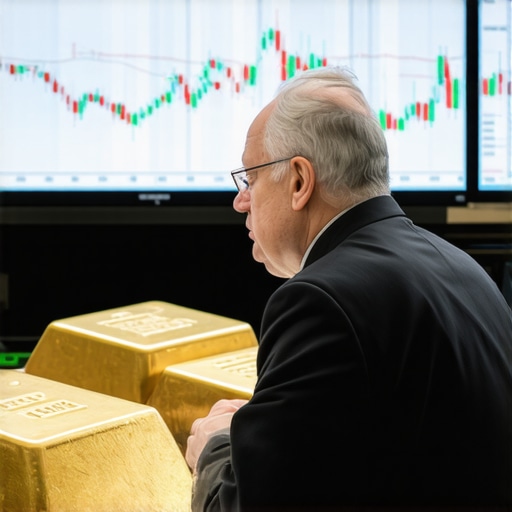
Deciphering Gold Market Dynamics in Turbulent Times
In an era marked by escalating economic uncertainty and relentless geopolitical upheaval, the gold market emerges as a complex arena where strategic insight and nuanced understanding are paramount. As seasoned investors recognize, gold not only serves as a traditional hedge against inflation but also evolves into a sophisticated instrument for portfolio diversification amidst unprecedented volatility.
How Supply and Demand Fluctuations Reshape Gold’s Investment Appeal
The intricate interplay between gold supply and demand is central to deciphering its market trajectory. Recent data highlight a surge in physical gold investment, fueled by central bank gold purchases, which hit multi-decade peaks. Concurrently, rising jewelry demand in emerging economies and technological sectors exert additional pressure on supply chains, potentially destabilizing price stability. Understanding these shifts necessitates analyzing production metrics, mine supply constraints, and the influence of global macroeconomic policies, especially the strategic holdings of major central banks.
The Pitfalls of Relying Solely on Gold ETFs During Market Turbulence
Many investors gravitate toward gold exchange-traded funds (ETFs) for liquidity and ease of access. However, the true nature of gold ETFs warrants caution. While convenient, these financial instruments often do not correspond directly to physical gold holdings, exposing investors to counterparty risk and potential discrepancies in asset backing. During periods of heightened volatility, the disconnect can lead to significant liquidity issues or mismatch in valuation—a pitfall that underscores the need for due diligence and the consideration of physical gold holdings.
Gold as an Inflation Hedge or a Speculative Asset? Expert Perspectives
The narrative surrounding gold’s role as a hedge against inflation remains compelling but demands a nuanced appreciation. Historical analyses and white papers, such as those from the Federal Reserve, suggest that gold’s efficacy varies with macroeconomic conditions, particularly real interest rates and dollar strength. During inflationary surges, physical gold offers tangible security; yet in high-volatility markets, speculative behaviors and derivative-driven prices can distort its perception. Investors must weigh these factors carefully, recognizing gold’s multifaceted nature within a broader strategic framework.
What advanced indicators signal the onset of a long-term gold bull run amid global economic upheaval?
As experts debate, key indicators such as central bank accumulated gold reserves, shifts in gold-to-silver ratios, and emerging geopolitical risks serve as critical signals. Monitoring these metrics provides a layered understanding of market momentum, enabling informed decision-making. For instance, recent data reveal that central banks have increased their holdings despite political tensions, possibly foreshadowing sustained bullishness.
For those seeking to deepen their comprehension of sophisticated gold investment strategies, exploring our detailed analyses on supply-side constraints and hedging tactics can be invaluable. Engaging with community insights or consulting with industry professionals further enhances market foresight.
As the market landscape evolves, it is vital to stay attuned to authoritative sources like the World Gold Council, which offers comprehensive reports on supply-demand fundamentals and geopolitical influences shaping future trends.
Navigate the strategic intricacies of gold investment wisely—consider diversified exposure, stay informed about market shifts, and evaluate the reliability of your holdings in an environment of escalating volatility.
Decoding the Hidden Currents Driving Gold’s Future
While the mainstream focus often centers on central bank purchases or jewelry demand, there are nuanced trends shaping gold’s trajectory that require expert analysis. Advanced indicators such as technological innovation, shifts in global trade policies, and evolving investor behaviors increasingly influence supply constraints and demand surges. For example, as smart grid technology advances, the demand for high-purity gold in electronics escalates, contributing to tighter supply levels. Recognizing these often-overlooked drivers is essential for investors aiming to position themselves advantageously before prices break new highs.
Are Central Banks Sterilizing Gold Holdings Through Shadow Trading?
One emerging question in expert circles is whether central banks are engaging in covert trading or ‘shadow’ operations to manage their gold reserves without disrupting visible markets. Such activities could involve swaps, leasing, or off-balance-sheet holdings, which obscures true reserve levels and complicates market sentiment analysis. Delving into these non-transparent activities, as highlighted by market signals, helps investors gauge underlying strength or weakness in the gold market, especially in times of geopolitical tension or currency devaluation.
Understanding these layered mechanics demands a deep dive into international monetary policy reports and shadow activity indicators. Staying informed through credible sources like the World Gold Council can reveal subtle shifts, providing a strategic edge in anticipating price movements.
What steps can savvy investors take to capitalize on emerging demand drivers in 2026?
Proactive strategies include diversifying physical holdings in high-demand formats, leveraging low-premium gold bars, and exploring niche markets such as gold for tech applications. Additionally, scrutinizing auctions and secondary markets for undervalued coins or bars—especially those with transparent assay reports—can unlock value and mitigate overpaying, a common pitfall highlighted in our comprehensive guide.
For comprehensive insights on optimizing your gold portfolio, consider consulting in-depth analyses provided by industry experts and trusted organizations. This approach ensures your investments are anchored in robust research, equipping you to navigate the complex landscape shaped by a confluence of technological innovation, geopolitical developments, and market psychology.
Engaging with authoritative data—such as the reports from the Central Bank Gold Purchases—can reveal emerging patterns that precede price shifts, helping you stay ahead in the game.
Illuminate Market Shadows: Detecting Hidden Central Bank Activities
While official reports illuminate many facets of central bank gold holdings, a labyrinth of shadow activities often obscures true reserve dynamics. These covert operations — involving swaps, leasing arrangements, or off-balance-sheet holdings — can significantly distort perceived supply and demand fundamentals. Advanced analytical techniques, such as cross-referencing bullion leasing rates, scrutinizing derivative positions, and monitoring unusual discrepancies in international reserves, provide subtle clues to these clandestine maneuvers. Recognizing these signals empowers savvy investors to interpret market sentiment more accurately, avoiding pitfalls rooted in transparency gaps.
Can Shadow Banking in Gold Markets Signal Imminent Price Swings?
Shadow banking activities, akin to those seen in conventional financial systems, manifest in gold through unreported leasing, swaps, and derivatives. Such activities can suppress or inflate prices temporarily, creating false signals of trend reversals or consolidations. Empirical studies, like those by the World Gold Council, indicate that surges in leasing rates or sudden divergence between physical and paper markets often precede volatility shocks. Therefore, integrating these indicators into a comprehensive trading strategy offers a nuanced edge against market manipulation or misinformation, fostering more resilient positioning.
Strategic Diversification in a Volatile Gold Environment
In times where market shadows lurk and price signals fluctuate unpredictably, diversification emerges as a vital safeguard. Experts advocate blending physical gold in secure, high-quality forms—such as allocated bars or coins—with allocation in less-correlated assets like gold-mining stocks, ETFs with transparent backing, and alternative precious metals. This layered approach mitigates risks associated with counterparty exposure, liquidity constraints, and geopolitical shocks. Additionally, exploring emerging markets for gold investment—such as jewelry with high carat purity or industry-specific bullion—can unlock untapped value streams. Implementing such multifaceted diversification demands a strategic balance, vigilantly adjusted as market indicators evolve.
How to Harness Advanced Data Analytics for Future Gold Trends?
Leveraging big data and machine learning models unlocks predictive insights into gold price movements. By analyzing vast datasets—including geopolitical event databases, macroeconomic indicators, social sentiment, and technological development trends—investors can identify subtle correlations and anticipate shifts before they materialize. For example, algorithms tracking sentiment changes in geopolitical hotspots or technological breakthroughs in electronics materials portend supply-side constraints, potentially catalyzing upward price adjustments. Familiarity with these tools, augmented by ongoing evaluation of real-time data feeds, enables strategic positioning and risk mitigation in an increasingly complex market landscape.
Stay engaged with cutting-edge research and technological advancements by subscribing to expert analytics services or collaborating with data scientists specializing in commodity markets. The fusion of traditional analysis with innovative data-driven insights represents the frontier for strategic gold investing—particularly amidst the opaque folds of shadow activities and market intricacies.
Emerging Geopolitical Risks: The Unseen Engines of Gold Demand
While traditional drivers of gold demand—such as inflation or monetary policy—are well documented, recent geopolitical tensions introduce non-conventional pressures shaping future prices. Crises arising from trade disputes, regional conflicts, or resource nationalism often trigger a flight to safety, inflating gold’s role as a hedge. Notably, the ongoing strategic realignments in global power structures influence resource access, currency stability, and investment patterns. For instance, border disputes impacting gold-rich regions or sanctions affecting supply routes can set in motion supply shocks and demand surges that persist beyond initial flare-ups.
Understanding these intangible yet potent forces requires continual geopolitical monitoring through intelligence reports, diplomatic developments, and international policy changes. Social media analytics and open-source intelligence (OSINT) can provide early signals of sentiment shifts, enabling investors and policymakers to anticipate and prepare for market ripples driven by unseen geopolitical engines.
Could Future Sanctions or Trade Blockades Trigger a New Gold Rush?
Historical precedents—such as the impact of sanctions on Iran and Russia—demonstrate that trade restrictions can significantly enhance gold’s appeal as an alternative asset. With increasing geopolitical frictions, the risk of future sanctions or trade blockades targeting key commodity routes becomes plausible. Such events would likely precipitate abrupt increases in physical demand and prompt central banks or private holders to reallocate reserves swiftly. Investors attentive to these prospects should monitor diplomatic signals, supply chain disruptions, and regional conflict escalation to position their portfolios proactively.
Engaging with geopolitical risk assessments and diversifying holdings geographically and asset-wise become critical components of a resilient investment strategy in this volatile landscape. As always, leveraging authoritative sources such as the International Crisis Group or the Council on Foreign Relations can provide valuable insights into emerging risks that may influence gold’s trajectory.
The Subtle Art of Reading Gold’s Market Signals
While obvious indicators like central bank reserves and geopolitical tensions dominate discourse, the realm of gold investing is replete with nuanced cues that demand expert interpretation. Sophisticated analysis encompasses tracking sovereign bullion leasing rates, analyzing derivatives positioning, and scrutinizing cross-market correlations, which collectively reveal latent shifts in supply-side constraints and investor sentiment. For instance, a surge in gold lease rates, often overlooked by mainstream media, can presage scarcity in available physical bullion, signaling a potential price ascent. Mastery in decoding these subtle signals confers a strategic advantage, enabling investors to anticipate breakouts before they become evident.
Can Shadow Strategies Clarify or Confuse Market Dynamics?
Shadow operations within the gold market, such as off-the-books leasing, swaps, and unreported derivative transactions, present a paradox—they obscure true supply-demand equilibrium yet offer critical clues when meticulously analyzed. Concurrently, a rise in uncommitted paper gold positions or anomalies in holdings disclosures often mirror underlying attempts at market stabilization or manipulation. Advanced investors leverage data triangulation, correlating lease rates, trading volumes, and geopolitical event timelines, to assemble a mosaic that hints at underlying real reserve movements. Engaging with these shadow mechanics improves market comprehension and sharpens timing for strategic allocations.
Harnessing Technological Advancements for Predictive Precision
Deployment of machine learning algorithms, big data analytics, and sentiment analysis tools has transformed gold market prognostication from a qualitative art to a quantitative science. By integrating diverse datasets—macro-economic indicators, political stability indices, blockchain activity metrics, and social media sentiment—these systems detect early warning signals of demand surges or supply crunches. A salient example includes algorithms that analyze geopolitical tensions via news feeds, coupled with autonomous monitoring of central bank activities, to forecast price movements with remarkable lead times. Businesses and high-net-worth investors who capitalize on these analytical tools can position themselves advantageously within this labyrinthine landscape.
Unseen Clues in Global Trade Patterns and Policy Moves
Trade flows, tariffs, and strategic resource policies subtly influence gold’s availability and appeal. For instance, shifts in trade agreements or sanctions—such as restrictions on certain mineral exports—can initiate localized supply disruptions, catalyzing regional demand spikes. Moreover, the move toward resource nationalism in key producing nations may prompt premature depletion of stockpiles or export restrictions, effectively tightening global supply. Staying attuned to international policy developments through trade data analysis, combined with intelligence from geopolitical risk monitors, enables investors to anticipate supply shocks and position accordingly.
The Role of Emerging Markets in Shaping Future Demand
Emerging economies increasingly dictate gold’s market dynamics, driven by urbanization, rising middle classes, and technological sectors. High-quality gold jewelry, electronic components, and new industrial applications—such as quantum computing—are propelling demand, often in tandem with local government backing. Additionally, burgeoning financial markets in these regions are incentivizing wholesale investment in physical gold to hedge against local currency volatility. Recognizing these trends, savvy investors integrate regional demand forecasts into their strategic planning, leveraging localized gold trade data and demographic analyses to capitalize on impending supply-demand imbalances.
Is Central Bank Transparency a Mirage Beneath the Surface?
While official disclosures portray central banks as transparent custodians of reserve data, numerous indicators suggest that covert activities—such as bullion swaps, leasing, and off-balance-sheet holdings—subvert this narrative. Such shadow trading can mask or distort true reserve levels, influencing market psychology and price expectations. For example, a sudden decline in reported reserves paired with stable or rising lease rates may hint at underlying reserve depletions or repositioning. Advanced forensic analyses, including cross-jurisdictional reserve discrepancies and derivative exposures, provide crucial insights into these opaque maneuvers, aiding investors in deciphering actual reserve strength.
How Can Investors Prepare for Next-Gen Market Distortions?
Proactive measures involve integrating real-time data monitoring, leveraging predictive analytics, and diversifying holdings across physical bullion, niche markets, and related assets such as mining equities and technology patents. Establishing relationships with informed industry analysts and subscribing to specialized intelligence services enhances situational awareness. Furthermore, developing contingency plans—like allocating assets in jurisdictions less susceptible to shadow activities—can safeguard portfolios against unforeseen anomalies. Embracing innovative tools and deep expertise ensures resilience amid complex, layered market manipulations.
Deepening our understanding through authoritative reports, such as those from the World Gold Council and IMF, exposes subtle shifts in supply-demand fundamentals and geopolitical undercurrents shaping future prices. Remaining vigilant and informed is paramount in navigating the opaque corridors of modern gold markets.
In the ever-shifting landscape of gold markets, where geopolitical tremors and macroeconomic shifts intertwine, only those armed with advanced knowledge and keen analytical acumen can truly navigate the complexities. As an authority in gold investment strategies, the most discerning investors focus on layered indicators—ranging from clandestine central bank activities to technological demand surges—that signal forthcoming market movements. Recognizing these subtle cues offers a strategic edge that can transform uncertainty into opportunity.
Insights that Elevate Strategic Positioning
Anticipate Supply Chain Disruptions Through Technological Trends
Emerging innovations like quantum computing and renewable energy technologies are increasingly demanding high-purity gold, tightening supply further. Staying ahead requires tracking industry advancements and supply-side constraints, which often precede price escalations.
Decipher Shadow Reserve Movements for Market Clues
Shadow activities, including off-balance-sheet gold leasing by central banks, can distort perceived reserves. Advanced forensic analysis of leasing rates and derivative positions reveals underlying reserve trends, enabling proactive positioning before market reactions occur.
Leverage Big Data for Geopolitical Risk Assessment
Integrating geopolitical analytics with macroeconomic data helps forecast demand surges resulting from regional conflicts or sanctions. These insights are crucial for timing investments in physical bullion or related assets strategically.
Sources That Sharpen Your Expertise
- World Gold Council Reports – Offer comprehensive supply-demand analytics and sector-specific insights, vital for informed decision-making.
- International Crisis Group Publications – Provide in-depth geopolitical risk assessments affecting gold demand and supply chains.
- Bloomberg Terminal and Industry Data Services – Deliver real-time analytics on central bank activities, leasing rates, and derivatives, essential for shadow activity detection.
- Kimberly Clark’s Market Analytics – Specialized tools for supply chain and technological demand forecasting in precious metals.
- Academic White Papers on Market Manipulation Techniques – Deepen understanding of shadow activities and their market implications.
Strategic Reflection for the Savvy Investor
The most impactful takeaway emphasizes the importance of integrating multifaceted, high-level insights—ranging from clandestine reserve activities to technological demand drivers—into a cohesive investment framework. Mastery over these layers empowers stakeholders to anticipate and respond proactively, rather than reactively, to market shifts. As the strategic landscape continues to evolve, leveraging expertise and authoritative intelligence sources becomes paramount for staying ahead in gold investment. Engage deeply with these advanced resources, refine your analytical toolkit, and position yourself to capitalize on emerging opportunities with confidence and precision.
About the Author
Martin Tremblay
Private Investor | Capital Markets Expert
Martin Tremblay is a distinguished Private Investor and Capital Markets Expert with an extensive background in high-stakes financial advisory and strategic acquisitions. As a key figure at HCI, a premier capital advisory and mergers and acquisitions boutique firm with a presence in Montreal, Toronto, and New York, Martin brings a wealth of cross-border experience to the buyingoldnow.com community. His professional focus centers on identifying undervalued opportunities within established markets and navigating the intricate landscape of capital structures. With years of experience operating at the intersection of capital markets and private equity, Martin offers authoritative insights into the nuances of acquiring legacy assets and businesses. His expertise is grounded in a deep understanding of M&A processes, valuation methodologies, and the strategic deployment of capital. On buyingoldnow.com, he leverages his professional background to provide readers with actionable advice on securing and scaling established businesses for modern success. Martin is dedicated to demystifying the complexities of the investment world and is passionate about helping aspiring investors and entrepreneurs achieve long-term financial growth through informed decision-making.
LinkedIn Profile


![5 Ways to Cut Your 2026 Gold Trading Costs [Tested Tips]](https://buyingoldnow.com/wp-content/uploads/2026/04/5-Ways-to-Cut-Your-2026-Gold-Trading-Costs-Tested-Tips-1.jpeg)