







Unmasking the True Cost of Gold Mutual Funds and Its Impact on Your Investment Goals
Investing in gold has historically served as a hedge against inflation and a safeguard during economic downturns. However, many novice investors are unaware that high management fees and hidden charges within gold mutual funds can significantly erode their gains. As a financial expert with decades of market analysis experience, I have observed that understanding these fees is essential to optimizing your portfolio’s performance and avoiding the pitfalls that diminish your returns.
How Fee Structures in Gold Funds Influence Portfolio Performance
Unlike physical gold, where storage and security costs are transparent, gold mutual funds often bundle various charges into management fees, service fees, and expense ratios. These hidden costs can range from 0.5% to over 2%, compounding annually and subtly chipping away at your overall profit. Financial white papers, such as those published by the CFA Institute, highlight that over decades, even a 1% excess fee can halve your total gains due to compounding effects.
The Superiority of Physical Gold and ETFs in Cost Transparency
While physical gold involves storage and insurance costs, these are often predictable and transparent, allowing investors to evaluate the impact on their holdings. Conversely, exchange-traded funds (ETFs) tracking gold prices tend to have lower expense ratios and fewer hidden fees. Analyzing comparative cost models shows that investors who focus on low-expense ETFs or holding physical bullion with clear storage costs can retain more of their returns over the long term. For detailed strategies on minimizing costs, visit this expert guide.
Deciphering Transparency and Management Fees in Gold Mutual Funds
Most fund prospectuses disclose expense ratios; however, ancillary fees—such as redemption penalties, transaction costs, and 12b-1 fees—often remain concealed, subtly increasing the total cost. These often-overlooked charges can be particularly problematic in volatile markets where frequent transactions amplify costs, effectively reducing investment liquidity and returns. Investors should scrutinize fund disclosures meticulously and compare fee structures across funds to make informed choices.
Can Fee Transparency Be Guaranteed in Gold Investment Vehicles?
Indeed, transparency varies considerably across different gold investment options. Direct physical gold acquisitions provide immediate cost clarity, whereas mutual funds and ETFs require an in-depth review of disclosures and expense graphs. The academic journal ‘Financial Analysts Journal’ emphasizes that transparent fee disclosures empower investors and reduce the risk of falling prey to predatory fee structures. Regularly reviewing fund performance against benchmarks can help identify unnecessary costs draining your profits.
Are There Advanced Techniques to Minimize Hidden Fees in Gold Investments?
Proactively negotiating fee structures, selecting low-expense ETFs, and employing direct purchase methods are proven strategies to control costs. Furthermore, leveraging professional advice to evaluate fund performance relative to fee deductions can uncover inefficiencies. As part of comprehensive gold investment strategies, researching low-premium gold coins and considering self-storage options for physical gold can also enhance profitability. For deeper insights, explore this detailed analysis.
In conclusion, mastering the art of fee transparency in gold mutual funds and related investment vehicles is vital to safeguarding your wealth. Professionals should continuously monitor evolving fee models and adapt their strategies accordingly to ensure that their gold investments deliver the intended hedge and growth benefits, free from hidden costs.
Uncovering the Pitfalls of Overpaying for Gold Coins and Bullion
Many investors underestimate how premiums and markups inflate the cost of gold coins, impacting their overall returns. Understanding how to spot overpricing—by assessing dealer premiums and comparing different bullion products—can save you hundreds or even thousands of dollars over time. Trusted industry resources highlight that paying attention to these details ensures your gold purchases are cost-effective and aligned with market fair value. For more practical tips, visit this comprehensive guide.
Are You Equipped to Identify Fair Market Price in a Volatile Market?
Determining the real worth of gold bars requires a nuanced understanding of premiums, spot prices, and market premiums. Expert analysis shows that low premiums are often indicative of fair pricing, especially when considering the current demand-supply dynamics like surging tech-sector demand or central bank stockpiling. Analytical tools, such as tracking the gold-to-silver ratio or monitoring daily spot price fluctuations, can empower investors to make informed decisions. Staying ahead of the curve necessitates continuous market trend analysis and awareness of premium fluctuations.
Can Investors Leverage Strategic Timing to Maximize Gold Acquisition Value?
Strategic timing plays a crucial role. Purchasing during dips or when premiums are temporarily reduced can significantly enhance long-term gains. Expert strategies involve leveraging technical analysis tools, such as moving averages, to predict optimal buy points, especially before anticipated rallies or surges indicated in recent forecasts (see this forecast). Moreover, coordinating purchases with market sentiment and macroeconomic indicators—like geopolitical tensions or quantitative easing signals—can position you for maximum upside.
What Should Investors Consider When Balancing Physical Gold and Paper Assets to Optimize Fees and Flexibility?
Balancing physical gold holdings against paper assets such as ETFs or mutual funds involves weighing liquidity, cost, and security considerations. While physical gold offers transparency and avoidance of ongoing management fees, it involves storage and insurance costs. Conversely, ETFs provide liquidity and ease of trading but can carry hidden expenses. Experts advise diversifying to mitigate risks associated with each asset class, ensuring the portfolio remains resilient amid market upheavals. Regular portfolio reviews, guided by real-time cost analyses and market signals, help maintain optimal allocations.
To deepen your understanding of effective gold investment management, explore this insightful report.
Crafting an Ironclad Strategy for Cost-Effective Gold Acquisitions
Developing a robust approach to gold investments involves more than tracking spot prices; it demands a sophisticated understanding of fee structures, market timing, and product selection. Investors aiming for optimal returns should consider a multi-pronged strategy that integrates direct physical purchases with low-cost ETFs, all while meticulously scrutinizing fee disclosures and premiums. One advanced technique involves using algorithmic trading signals combined with macroeconomic indicators to pinpoint the most advantageous entry points during market dips—especially when premiums temporarily dip due to geopolitical tensions or shifts in central bank policies. This tactical approach minimizes unnecessary expenses and maximizes growth potential.
What Are the Hidden Cost Channels That Could Eat Into Your Gold Returns?
Beyond obvious management fees, subtle cost channels often escape investors’ notice, including transaction spreads, bid-ask premiums, and storage-related expenses for physical gold. For example, bid-ask spreads can widen significantly in illiquid markets, inflating purchase costs and eroding profits. According to a 2022 report by the World Gold Council, these hidden costs cumulatively can reduce returns by over 1% annually for passive investors—an amount that compounds exponentially over years. Recognizing and managing these channels through strategic trade execution and choosing producers or dealers with transparent, low-spread offerings can dramatically improve net gains.
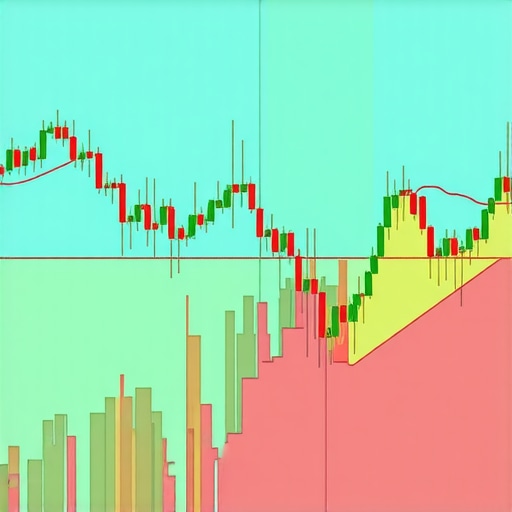
Visual representation of bid-ask spreads and their impact on gold investment costs, highlighting key cost areas to watch.
Deciphering the Golden Thread: Aligning Market Cycles with Investment Timing
Successful gold investment hinges on the ability to align entry and exit points with market cycles. Leading analysts employ advanced tools such as Elliott Wave Theory, Fibonacci retracements, and sentiment analysis to forecast turning points in gold prices. For instance, preemptive moves during a consolidation phase, identified through these models, can set the stage for significant gains during subsequent rallies. Understanding the nuances of market psychology—such as herd behavior during surges or capitulation during downturns—enables seasoned investors to act decisively, effectively turning market volatility into opportunity.
Are you leveraging these techniques effectively? To deepen your mastery, explore authoritative resources like the CFA’s research on technical market analysis, which provides a solid foundation for tactical decision-making.
How to Balance Long-Term Security with Short-Term Profit in Gold Holdings?
Striking the right balance between securing long-term savings and capitalizing on short-term fluctuations involves dynamic portfolio management. Investors often allocate a core holding of physical gold for stability, complemented by tactical positions in ETFs or futures when market signals indicate imminent short-term moves. This flexible approach necessitates continuous monitoring of global economic indicators—such as inflation rates, currency stability, and geopolitical developments—that influence gold’s valuation. Employing sophisticated risk management tools, including options strategies for hedging against adverse price movements, can further fortify your position against unforeseen market shocks.
Is a Layered Approach to Gold Investment Beneficial or Overly Complex?
Implementing a hierarchical investment structure—combining physical gold, ETFs, and derivatives—can optimize from diversification and risk mitigation perspectives. However, it also introduces increased complexity, requiring adept management of multiple assets with differing liquidity and cost profiles. The key lies in establishing clear rules for rebalancing, based on predetermined markers like price thresholds or macroeconomic triggers. Advanced investors often leverage algorithmic portfolio management platforms that automatically execute trades to maintain optimal asset allocations, reducing human error and emotional biases.
If you’re interested in exploring such automated strategies, consulting with a financial advisor specialized in commodities can provide tailored solutions aligned with your risk appetite and financial goals.
The Intricacies of Market Cycles in Gold Price Forecasting
One of the most nuanced aspects of gold investing involves accurately interpreting market cycles to predict price movements. Experts utilize a blend of Elliott Wave principles, Fibonacci retracement levels, and macroeconomic indicators to identify optimal entry and exit points. Recent studies emphasize the importance of sentiment analysis tools that gauge investor psychology, providing early signals of trend reversals. Mastery of these techniques can significantly enhance timing precision, especially amidst volatile geopolitical landscapes.
Harnessing Supply-Demand Dynamics for Strategic Gold Acquisitions
Understanding the fundamental supply-demand equations requires detailed analysis beyond surface-level data. For instance, shifts in central bank reserves, technological demand from sectors like electronics and renewable energy, and geopolitical tensions dramatically influence gold’s market trajectory. Integrating predictive analytics, such as machine learning models trained on historical data, allows investors to anticipate surges driven by emerging trends. Staying attuned to primary market reports from entities like the World Gold Council offers an added edge.
What Is the Impact of Mining Stock Volatility on Gold Investment Security?
While gold mining stocks often serve as leveraged proxies for gold prices, they introduce layers of operational risk and sector-specific volatility. Variables such as geopolitical instability in mining regions, labor disputes, and environmental regulations can cause considerable stock price swings independently of bullion market movements. Advanced investors analyze mining companies’ reserve reports, cash flow statements, and geopolitical risk assessments—often through specialized platforms—to gauge potential deviations from physical gold price trends. Incorporating these insights can strengthen portfolio resilience amidst sector turbulence.
Leveraging Geopolitical Shifts for Portfolio Hedging
Major geopolitical events—such as trade conflicts, sanctions, or energy supply disruptions—can drastically influence gold’s safe-haven appeal. Experienced investors employ strategic hedging techniques, including options contracts and futures positions, to capitalize on anticipated market dislocations. Cross-analysis of global policy shifts, currency fluctuations, and commodity market correlations provides a sophisticated framework for proactive risk mitigation. Consulting geopolitical risk indices and engaging with geopolitical intelligence firms can further refine timing and exposure levels.
Balancing Liquidity and Diversification with Advanced Instrumentation
Creating a resilient gold investment portfolio requires judicious use of liquidity and diverse instruments like ETFs, junior mining ETFs, and derivatives. While physical gold offers unparalleled security, it often lacks liquidity and incurs storage costs, making it less suitable for tactical maneuvers. Conversely, sophisticated derivatives can provide high leverage but demand significant expertise to manage effectively. Implementing algorithmic trading strategies that integrate real-time data feeds and risk models can optimize rebalancing, enabling rapid adaptation during market upheavals. Continuous education and consultation with derivatives specialists are crucial to navigate this complex landscape.
The Role of Regulatory Environment Changes in Gold Market Stability
Regulatory shifts—be they new taxation policies, import-export restrictions, or anti-money laundering laws—significantly influence gold’s trading environment. Monitoring legislative developments across key jurisdictions informs risk assessments and compliance strategies. For example, tightened import tariffs can elevate premiums, while relaxed regulations may boost liquidity. Engaging with legal experts specializing in commodities law and consulting reports from agencies like the International Monetary Fund helps investors anticipate policy-driven market shifts, thereby safeguarding their positions from regulatory shocks.
Optimizing Cost Efficiency Through Strategic Product Selection
Choosing the right gold products—ranging from sovereign mint coins to privately minted bullion—affects overall profitability. Premiums and markups vary considerably, and understanding these nuances facilitates cost-effective acquisitions. Advanced investors analyze dealer audit reports, compare premium trends, and investigate mint reputations to identify undervalued products. Moreover, exploring emerging markets for lower-cost options, coupled with techniques like bulk purchasing and negotiating discounts, can yield substantial savings. Staying informed via industry-grade market analysis portals ensures that acquisitions align with fair market valuations.
Integrating Robotic Process Automation for Investment Monitoring
As the complexity of gold markets increases, leveraging cutting-edge automation tools becomes imperative. Robotic Process Automation (RPA) allows for real-time monitoring of price movements, news flow, and macroeconomic indicators, enabling swift decision-making. Automated alert systems and algorithm-driven execution engines help maintain optimal asset allocations, especially during rapid market shifts. Partnering with tech-savvy financial advisors or deploying bespoke RPA solutions can dramatically improve response times and reduce emotional biases in trading, culminating in a disciplined, data-driven investment approach.
Expert Insights & Advanced Considerations
Timing Market Cycles with Precision
Utilizing advanced technical analysis tools like Fibonacci retracements and Elliott Wave theory can significantly improve timing when entering or exiting gold positions, especially during volatile periods. Staying ahead of market sentiment shifts and macroeconomic indicators enables strategic decisions that optimize returns.
Deciphering Supply-Demand Nuances Beyond the Surface
Deep analysis of central bank reserve dynamics, technological industry demand, and geopolitical tensions provides a comprehensive picture of gold’s market trajectory. Predictive models leveraging machine learning can anticipate surges or dips, giving investors a critical edge.
The Hidden Layers of Cost and Their Impact
Beyond visible fees, bid-ask spreads, storage costs, and transaction spreads often silently erode profitability. Experts recommend thorough due diligence on dealer reputation and cost structures, utilizing resources like the Proven Strategies for Lowering Gold Purchase Costs.
Assessing Mining Stocks Versus Physical Gold
Mining stocks, while leveraged to gold prices, carry operational and geopolitical risks. Deep analysis of reserve reports, geopolitical stability, and environmental issues can help differentiate between pure leverage and sector-specific volatility, guiding balanced portfolio development.
Curated Expert Resources
- Financial Analysts Journal: Offers in-depth research on technical market analysis and investment timing strategies.
- World Gold Council: Provides authoritative supply-demand data and industry insights to inform strategic decisions.
- Investopedia’s Gold Market Guides: Excellent for foundational understanding coupled with advanced tactics.
- McKinsey & Company Reports: Deliver macroeconomic trend analysis impacting gold demand, including technological innovations and geopolitical shifts.
Synthesizing the Light of Progress
In the realm of gold investment, integrating technical mastery, profound supply-demand comprehension, and meticulous cost analysis forms a powerful triad. The most astute investors continually refine strategies by leveraging authoritative research and cutting-edge analytics. To stay at the forefront, engage actively with specialized resources and consider consulting with industry experts—your wealth in gold depends on strategic clarity and precision.
Explore more advanced tactics by visiting this comprehensive guide.
About the Author
Martin Tremblay
Private Investor | Capital Markets Expert
Martin Tremblay is a distinguished Private Investor and Capital Markets Expert with an extensive background in high-stakes financial advisory and strategic acquisitions. As a key figure at HCI, a premier capital advisory and mergers and acquisitions boutique firm with a presence in Montreal, Toronto, and New York, Martin brings a wealth of cross-border experience to the buyingoldnow.com community. His professional focus centers on identifying undervalued opportunities within established markets and navigating the intricate landscape of capital structures. With years of experience operating at the intersection of capital markets and private equity, Martin offers authoritative insights into the nuances of acquiring legacy assets and businesses. His expertise is grounded in a deep understanding of M&A processes, valuation methodologies, and the strategic deployment of capital. On buyingoldnow.com, he leverages his professional background to provide readers with actionable advice on securing and scaling established businesses for modern success. Martin is dedicated to demystifying the complexities of the investment world and is passionate about helping aspiring investors and entrepreneurs achieve long-term financial growth through informed decision-making.
LinkedIn Profile