







Deciphering the Complex Landscape of Gold Price Forecasts for 2025
As seasoned investors and market analysts recognize, the trajectory of gold prices in 2025 hinges on a confluence of macroeconomic factors, geopolitical tensions, and evolving demand patterns. The intricate interplay between these elements necessitates a deep understanding of supply-demand dynamics, monetary policy shifts, and investor sentiment. Leveraging advanced predictive models and historical data, experts forecast that gold could experience significant volatility, influenced by global economic stability and inflation expectations.
Unpacking Demand Drivers in the Evolving Gold Market
Demand for gold in 2025 is intricately linked to multiple channels, including central bank reserves, jewelry consumption, and institutional investments. Notably, central banks’ gold accumulation strategies, as outlined in recent reports by the World Gold Council, indicate a strategic hedge against fiat currency devaluation and geopolitical uncertainties. Meanwhile, emerging markets continue to expand their gold holdings, reflecting a nuanced shift in global demand flows. Understanding these demand drivers offers investors a vital edge in timing and positioning their portfolios.
How Will Macro Trends Shape Gold’s Future Prices?
Macroeconomic trends such as inflation rates, dollar strength, and interest rate policies directly influence gold’s price trajectory. For instance, the Federal Reserve’s monetary tightening or easing can modulate gold’s appeal as a safe haven. Furthermore, the global shift toward sustainable investing and ESG criteria may redefine gold’s role, especially in relation to ESG-compliant mining practices and supply chain transparency. These factors underscore the importance of integrating macroeconomic models with market sentiment analysis for comprehensive forecasting.
What Are the Most Critical Challenges in Gold Price Prediction?
One significant challenge lies in the inherent unpredictability of geopolitical events and their impact on investor risk appetite. Sudden policy shifts, conflicts, or breakthroughs in alternative investments like cryptocurrencies can disrupt established demand patterns. Moreover, technological advancements in gold extraction and recycling might alter supply dynamics unexpectedly. As such, maintaining a flexible, multi-factor analytical approach remains essential for accurate forecasting.
Can Gold Sustain Its Role as a Hedge in Turbulent Times?
Indeed, gold’s historical resilience as a hedge against inflation and currency depreciation continues to underpin its strategic value for sophisticated investors. However, the effectiveness of gold as a hedge depends on timing and macroeconomic conditions. Investors must consider not only historical correlations but also emerging trends, such as digital gold and blockchain-based assets, which could redefine traditional hedging strategies. Engaging with expert analyses and real-time market data is crucial for optimizing hedging effectiveness.
To deepen your understanding of these complex dynamics, explore our detailed guide on Understanding Gold Price Forecasts & Demand Trends for 2025 Investors. This resource offers comprehensive insights into predictive models, demand analysis, and strategic investment approaches. Stay informed and contribute your expert insights to this evolving field by engaging with industry peers and participating in specialized forums.
For a broader perspective on how to build a resilient gold investment portfolio, consider reviewing our recommended strategies at Top Investment Strategies for Gold Market Trends in 2025. Combining macroeconomic analysis with tactical asset allocation can enhance your ability to navigate the uncertainties of the gold market effectively.
Leveraging Technological Advancements in Gold Trading
As the gold market evolves, technological innovations are reshaping how investors approach gold trading and portfolio diversification. Blockchain technology, for instance, is facilitating the emergence of digital gold assets, which offer enhanced liquidity and transparency. These innovations are not just trend-driven but signal a paradigm shift in how gold can be integrated into modern investment strategies. Experts suggest that understanding these technological shifts is crucial for maximizing gains and mitigating risks, especially in a volatile macroeconomic environment.
How Do Geopolitical Tensions Influence Gold’s Future Trajectory?
Geopolitical tensions remain a significant catalyst for gold price movements. Escalations in conflicts or diplomatic crises often trigger safe-haven buying, pushing prices higher. Conversely, resolution and stability can lead to profit-taking and price corrections. According to the World Gold Council, central banks’ responses to geopolitical risks, including strategic gold purchases, further amplify these effects. Staying ahead of geopolitical developments requires continuous monitoring of international relations and integrating this intelligence into your investment framework. For more detailed geopolitical analysis, consult our review of central bank gold purchase trends for 2025.
What innovative tools can investors use to refine their gold market forecasts?
Advanced analytical tools such as machine learning algorithms, sentiment analysis platforms, and real-time data feeds enable investors to refine their forecasts with higher precision. These tools process vast quantities of market data, news, and macroeconomic indicators to identify emerging trends before they become apparent. Combining these insights with traditional fundamental analysis creates a robust framework for navigating uncertain market conditions. For a deeper dive into forecasting methodologies, explore our guide on gold market analysis and future price predictions for 2025.
Engaging with industry-specific forums and expert webinars can also provide real-time intelligence and strategic perspectives, helping investors stay agile as market dynamics shift.
Why Diversification Beyond Gold is Essential in 2025
While gold remains a cornerstone of safe-haven investing, diversification into assets like gold mining stocks, ETFs, and alternative commodities can significantly enhance portfolio resilience. The evolving landscape of gold investments, including ESG-compliant mining operations and environmentally sustainable extraction methods, offers additional avenues for growth and risk management. According to recent analyses, blending physical gold holdings with financial instruments can optimize returns while maintaining exposure to gold’s intrinsic value. To explore the most effective diversification strategies, visit best strategies for diversifying gold investments in 2025.
Harnessing Cutting-Edge Forecasting Models to Predict Gold’s 2025 Trajectory
In the realm of precious metals investment, precision in forecasting gold prices is paramount. Advanced statistical and machine learning models, such as neural networks and ensemble methods, are increasingly employed by experts to decode complex market signals. These models integrate macroeconomic indicators, geopolitical data, and sentiment analysis to generate probabilistic forecasts, offering investors a nuanced understanding of potential price movements. For instance, a recent study by the PLOS ONE journal highlights the efficacy of hybrid AI systems in predicting commodity prices with higher accuracy than traditional models. Incorporating such tools into your analysis framework can significantly elevate your forecasting precision and strategic decision-making.
Deciphering the Impact of Global Supply Chain Dynamics on Gold Availability
Global supply chains are a critical yet often overlooked factor influencing gold prices. Disruptions caused by geopolitical tensions, pandemics, or technological bottlenecks can constrain supply, leading to price escalations. Experts emphasize the importance of monitoring supply chain health through real-time logistics data and mining output reports. For example, the recent analysis by the World Gold Council details how supply constraints in key regions like South Africa and Australia have historically precipitated price surges. Anticipating these supply shocks enables investors to preemptively adjust their positions, especially when combined with forward-looking indicators like new mining project approvals or technological innovations in recycling processes.
What role do technological advancements in gold extraction play in shaping future supply?
Emerging extraction technologies, such as in-situ leaching and environmentally sustainable mining practices, are poised to alter supply dynamics significantly. These innovations promise to reduce costs, lower environmental impact, and unlock previously inaccessible deposits. According to a detailed report by ScienceDirect, such technological progress could increase global gold output by up to 10% over the next decade. For investors, understanding these technological trends is vital for assessing long-term supply resilience and price stability.
Embedding Behavioral Finance in Gold Price Predictions
Beyond fundamental and technical analysis, behavioral finance offers profound insights into investor psychology and market sentiment. Herd behavior, fear of missing out (FOMO), and macroeconomic anxieties can drive gold prices away from intrinsic values temporarily. Advanced sentiment analysis platforms, utilizing natural language processing (NLP) on news feeds and social media, can quantify market mood shifts. A 2022 study by Taylor & Francis Online demonstrated that sentiment scores reliably predict short-term price reversals in gold markets. Incorporating behavioral indicators into your forecasting toolkit enhances the robustness of your predictions, especially during periods of heightened volatility.
Drive Your Gold Investment Strategy with Interactive Data Visualization
Visual analytics are transforming how investors interpret complex market data. Interactive dashboards, powered by tools like Tableau or Power BI, enable real-time exploration of macroeconomic variables, supply-demand metrics, and sentiment indices. These visualizations facilitate rapid scenario analysis, stress-testing different market conditions, and refining entry or exit points. To deepen your analytical capabilities, explore platforms that integrate live data feeds with customizable visualizations. As the gold market becomes more data-driven, mastering these tools can provide a decisive edge in strategic planning.
To stay at the forefront of gold market intelligence, subscribe to expert webinars, participate in specialized forums, and continuously update your knowledge base with authoritative research. The landscape of gold investing is complex and dynamic, demanding both technological savvy and macroeconomic insight to succeed.
Revolutionizing Gold Price Predictions with Cutting-Edge AI Techniques
Recent advancements in machine learning, especially deep neural networks and ensemble models, are transforming how experts forecast gold prices. These sophisticated tools incorporate macroeconomic data, geopolitical developments, and sentiment analysis to generate highly accurate probabilistic predictions. For example, hybrid AI systems showcased in studies published by PLOS ONE demonstrate superior performance over traditional econometric models, offering investors a nuanced understanding of potential market shifts and enabling more strategic positioning.
How Supply Chain Innovations Will Alter Gold Market Dynamics
Technological breakthroughs in extraction, such as in-situ leaching and eco-friendly mining, are poised to significantly influence global gold supply. These innovations reduce operational costs and environmental impacts, unlocking previously inaccessible deposits. According to a comprehensive review in ScienceDirect, such advancements could boost global gold output by approximately 10% within the next decade, thereby affecting supply-demand equilibria and price stability. Investors who monitor these technological trends can better anticipate long-term supply resilience and price trajectories.
Are Behavioral Finance Models the Next Frontier in Gold Price Prediction?
Integrating behavioral finance into gold forecasting introduces a human element often overlooked by purely quantitative models. Tools leveraging natural language processing (NLP) analyze social media, news sentiment, and market psychology to gauge investor mood. Recent research from Taylor & Francis Online confirms that sentiment scores can predict short-term reversals, especially amid heightened volatility. Incorporating behavioral indicators enhances forecast robustness, helping investors navigate emotional market swings effectively.
What Visual Data Tools Empower Smarter Gold Investment Decisions?
State-of-the-art interactive dashboards, utilizing platforms like Tableau or Power BI, enable real-time visualization of macroeconomic indicators, supply chain statuses, and sentiment metrics. These dynamic tools facilitate rapid scenario analysis and stress-testing, allowing investors to refine entry and exit strategies based on evolving market conditions. Mastering these visual analytics is essential in a data-driven environment where timely insights determine competitive advantage.
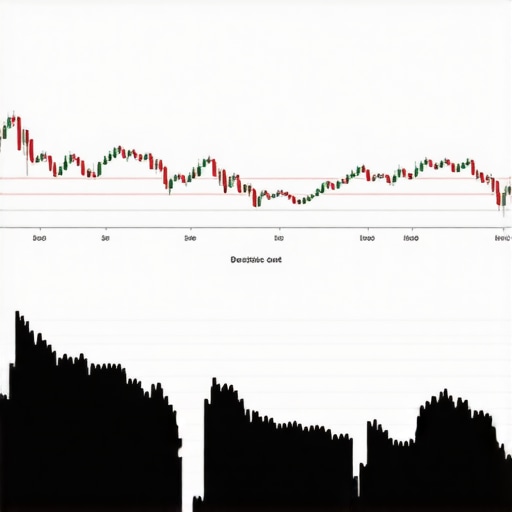
Will Geopolitical Events Continue to Drive Gold’s Safe-Haven Status?
Geopolitical tensions remain a pivotal factor in gold price movements. Escalations in conflicts or diplomatic crises often lead to increased safe-haven demand, pushing prices upward. Conversely, stabilization can trigger profit-taking. Reports from the World Gold Council detail how central bank gold acquisitions respond to international tensions, further amplifying price fluctuations. Staying vigilant through continuous geopolitical monitoring and integrating this intelligence into your investment framework is crucial for capitalizing on these market signals.
Which emerging technologies in gold extraction are most likely to reshape supply in the coming decade?
Innovations like in-situ leaching and environmentally sustainable mining practices are redefining supply-side dynamics. These methods promise to lower costs, reduce environmental footprints, and access deposits previously deemed unviable. The detailed analysis in ScienceDirect indicates potential increases in global gold output by up to 10% over the next ten years. For investors, understanding these technological shifts is vital for assessing long-term supply stability and price forecasts.
Incorporating Behavioral Finance to Enhance Gold Market Predictions
Behavioral finance models analyze investor psychology, herd behavior, and market sentiment, providing valuable insights beyond traditional fundamental analysis. Tools utilizing natural language processing evaluate real-time news and social media to quantify market mood, which often precedes short-term price movements. A study in Taylor & Francis Online demonstrates how sentiment analysis can anticipate reversals, especially during periods of heightened uncertainty. Integrating these insights enhances forecast accuracy and strategic agility.
Leveraging Visual Analytics for Dynamic Gold Investment Strategies
Interactive visualization platforms empower investors to interpret complex data sets swiftly, supporting real-time decision-making. Custom dashboards synthesize macroeconomic trends, supply-demand metrics, and sentiment analysis, facilitating scenario planning and risk assessment. Developing proficiency with these tools grants a competitive edge in navigating volatile markets and optimizing timing for trades.
To deepen your expertise, subscribe to industry-leading webinars, participate in specialized forums, and stay updated with authoritative research. The complexity of gold markets demands continuous learning and adaptation to new technological and macroeconomic developments, ensuring your investment strategies remain resilient and forward-looking.
Expert Insights & Advanced Considerations
Anticipate macroeconomic shifts
Professionals emphasize monitoring inflation trends, currency fluctuations, and geopolitical developments, as these factors directly influence gold prices. Staying ahead requires integrating macroeconomic data with real-time market analysis to refine investment timing and positioning.
Leverage technological innovation
Emerging tools like AI-driven predictive models and blockchain-based assets are revolutionizing gold trading. Experts suggest adopting these technologies to enhance forecast accuracy and diversify investment strategies in a rapidly evolving landscape.
Focus on demand and supply nuances
Understanding central bank reserve adjustments, mining output, and recycling innovations provides a comprehensive view of future price trajectories. Staying informed about technological advancements in extraction and supply chain resilience is crucial for strategic foresight.
Incorporate behavioral finance insights
Market sentiment, herd behavior, and news analytics are powerful indicators of short-term price movements. Utilizing sentiment analysis platforms enables investors to gauge market psychology and adjust strategies proactively.
Utilize advanced visualization tools
Interactive dashboards and real-time data analytics facilitate scenario planning and rapid decision-making. Mastering these tools grants a competitive edge in volatile markets, especially when combined with macroeconomic and geopolitical intelligence.
Curated Expert Resources
- World Gold Council Publications – Offers authoritative insights into global gold demand, supply dynamics, and central bank activities, essential for strategic planning.
- PLOS ONE Journal – Features cutting-edge research on hybrid AI systems and predictive modeling techniques tailored for commodities forecasting.
- ScienceDirect Articles – Provides in-depth analyses of technological innovations in gold extraction, supply chain improvements, and future production estimates.
- Taylor & Francis Online Studies – Presents behavioral finance research, emphasizing market psychology and sentiment analysis in precious metals markets.
- Interactive Data Platforms (e.g., Tableau, Power BI) – Enable dynamic visualization of macroeconomic trends, supply-demand flows, and sentiment metrics critical for strategic investment decisions.
Final Expert Perspective
Forecasting gold prices for 2025 demands a multifaceted approach that combines macroeconomic intelligence, technological advancements, behavioral insights, and sophisticated analytical tools. As the landscape evolves, staying informed through authoritative resources and leveraging cutting-edge data visualization techniques will empower investors to navigate uncertainties with confidence. To deepen your expertise, explore our comprehensive guides and actively participate in expert forums, ensuring your investment strategies remain resilient and forward-looking. Engage with the community of industry leaders and continue refining your approach—because in the world of gold investment, knowledge is your most valuable asset.